Water Damage Restoration Lakewood, CA
24/7 water damage restoration in Lakewood, CA. The crews extract standing water, open wet walls and floors, and dry every layer with measured equipment until readings match dry.
(888) 563-9619Tell the crew where the water isZIP 90712, 90713 and 90715, around Del Amo Boulevard, Carson Street and Mayfair.
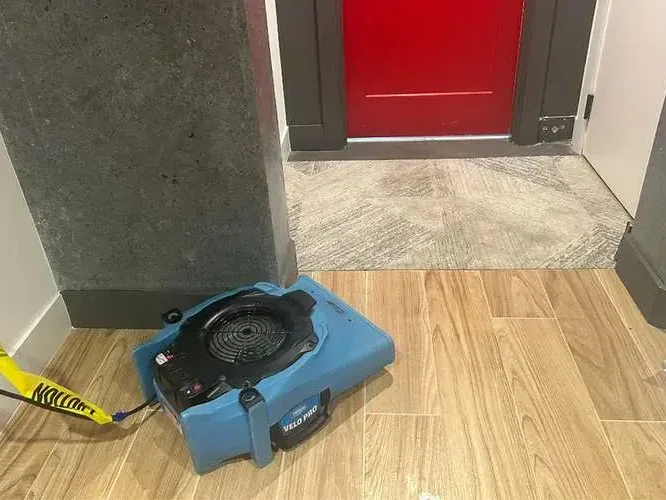
Done means dry readings within 2 to 4 points of an unaffected reference
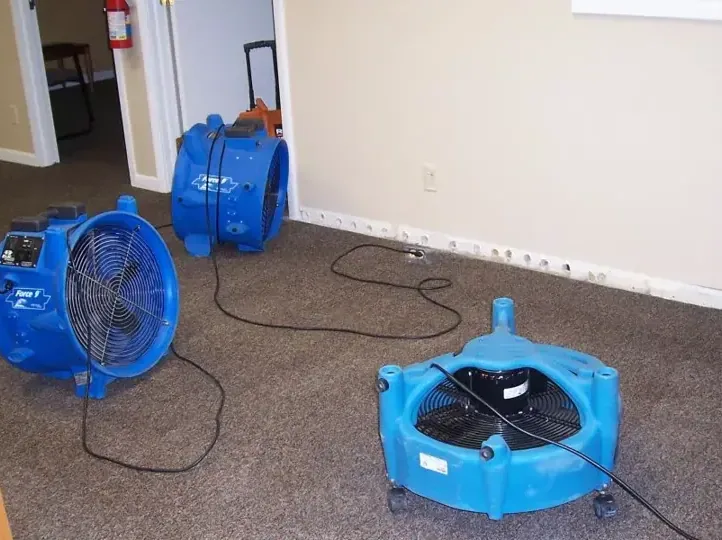
Water behaves differently in a city built street by street
Lakewood was built in the early 1950s as a planned community of about 17,500 houses, with underground plumbing installed street by street. Most homes here date from before 1970, so hoses, fixtures and drain connections have aged. Flat ground lets spilled water spread wide, so quick extraction limits how far it travels.
Round-the-clock dispatch
Water damage does not keep office hours, so the restoration team works nights, weekends and holidays.
Measured drying standard
Wet materials are dried to target readings instead of judged by touch, with equipment sized to the room and the material.
Claim-ready documentation
Photos, moisture maps and daily logs are kept in one file, ready for an adjuster to open.
Local housing knowledge
A mix of single-family homes, attached units and apartment buildings means water often crosses walls, so crews inspect adjoining surfaces before closing up.
Twelve water losses, each with its own method
In a flat city of mostly single-family homes, standing water from storms, supply failures and drain backups tops the list, with shared-wall leaks close behind.
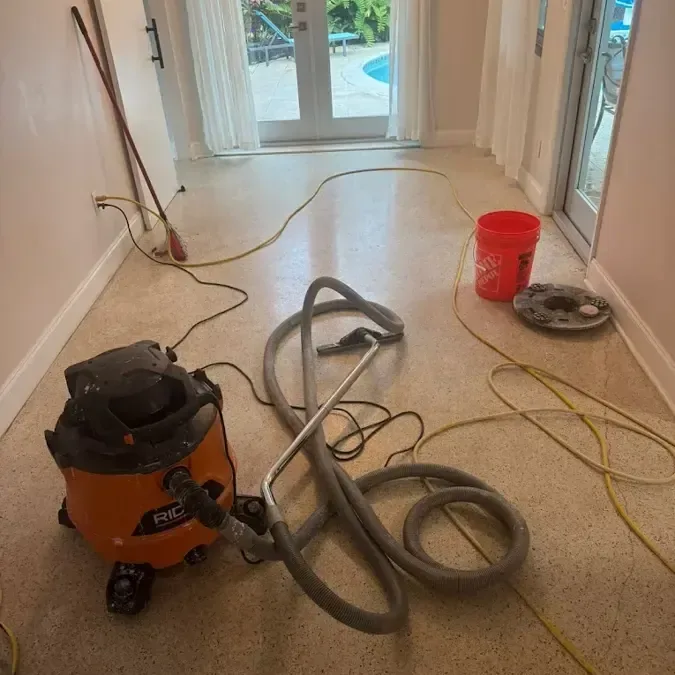
Water Extraction and Removal
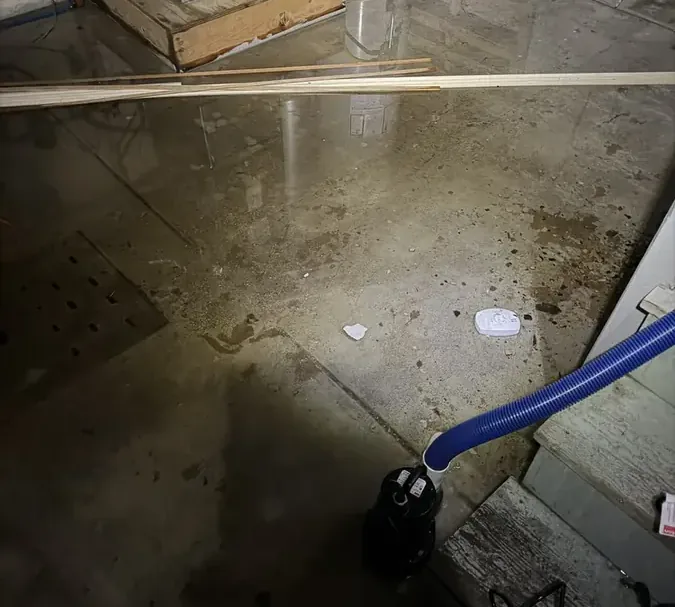
Truck-mounted and portable pumps lift standing water off floors before it wicks into walls and pad.
See the service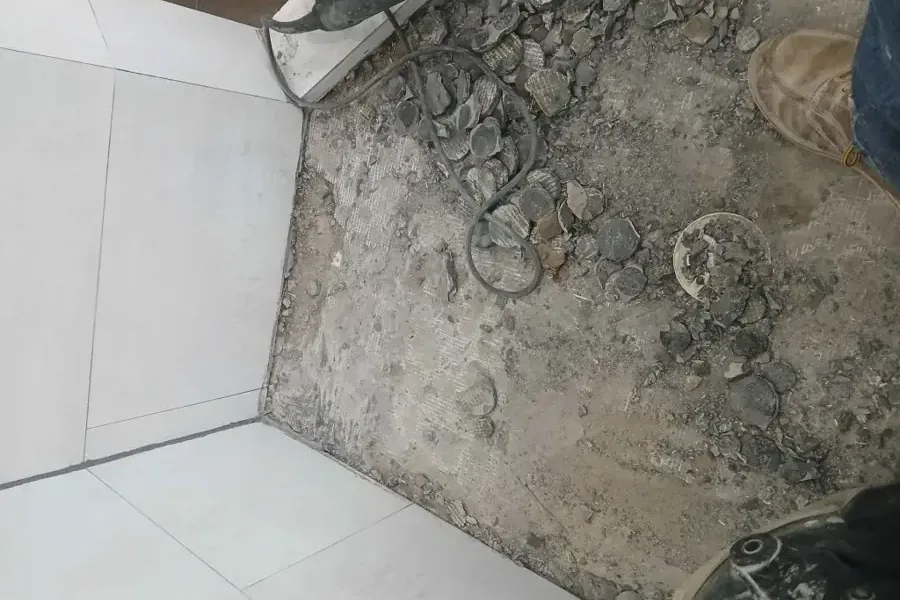
Slab Leak Water Damage
A warm floor or spinning meter can signal an underground leak; crews map the moisture and dry it.
See the service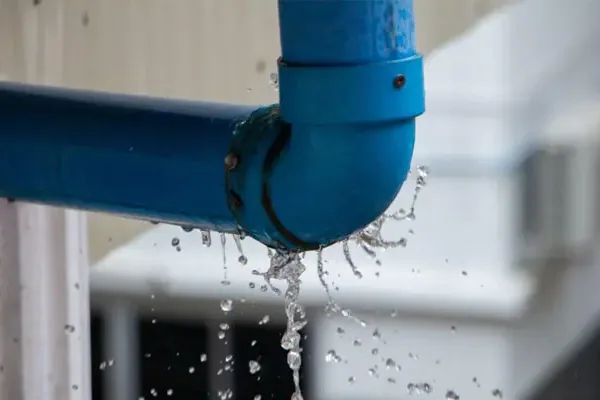
Burst Pipe Water Damage
Failed pipes can flood several rooms; crews extract the water, open wet walls and dry each cavity.
See the service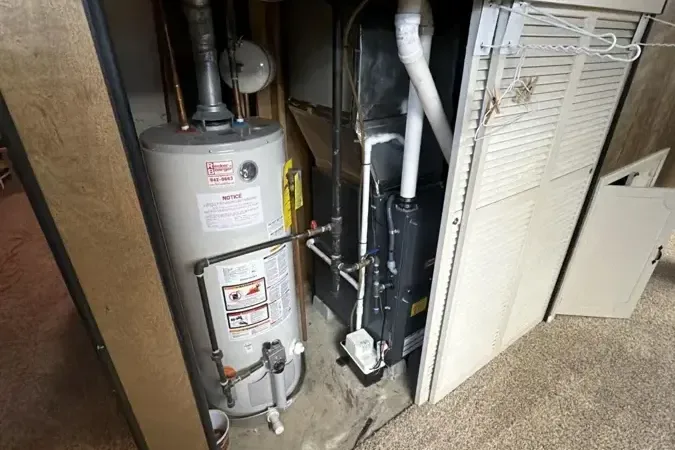
Water Heater Leak Cleanup
A failed tank can empty into a garage or hallway; extraction and drying follow the water outward.
See the service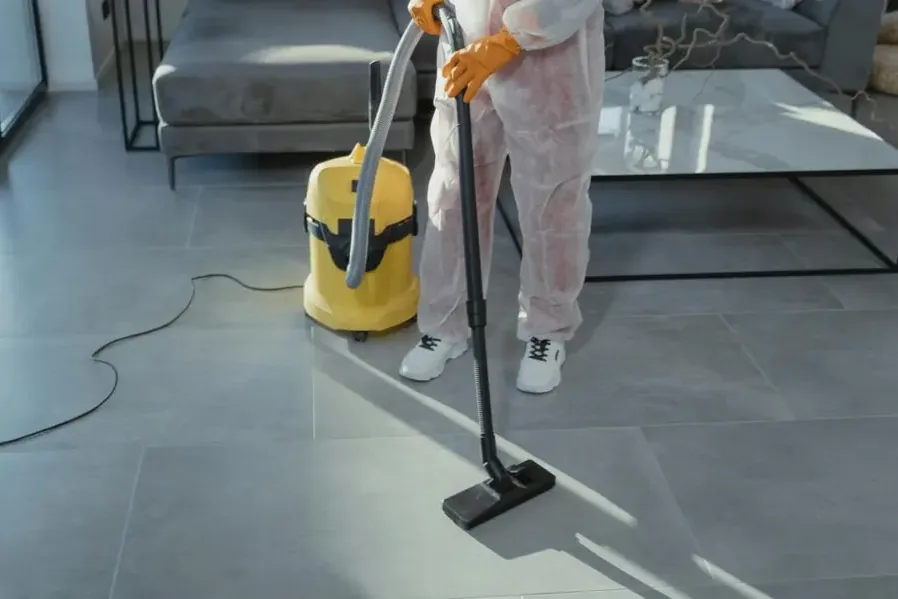
Sewage Backup Cleanup
Backups call for containment, protective gear and removal of porous materials, followed by antimicrobial treatment and air scrubbing.
See the service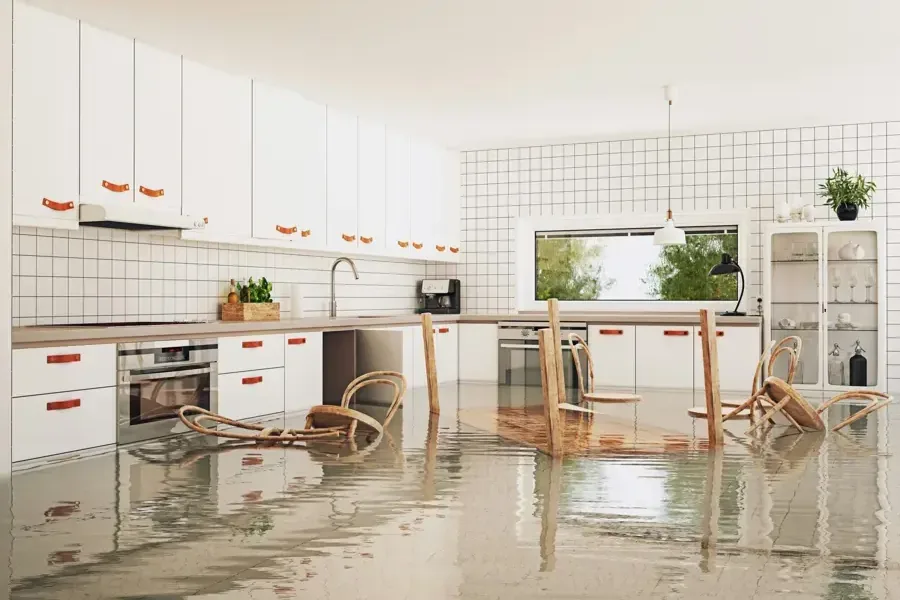
Storm and Flash Flood Cleanup
Garages and ground-level rooms are most exposed when streets drain slowly; crews pump, cut and dry.
See the service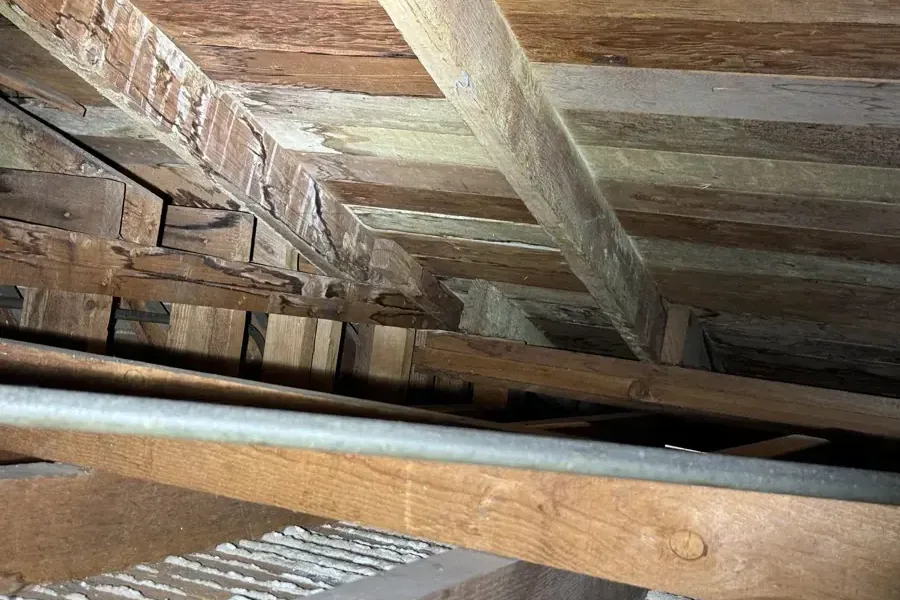
Roof Leak Water Damage
Winter rain finds weak spots in roofing; crews trace the entry and dry insulation and ceilings.
See the service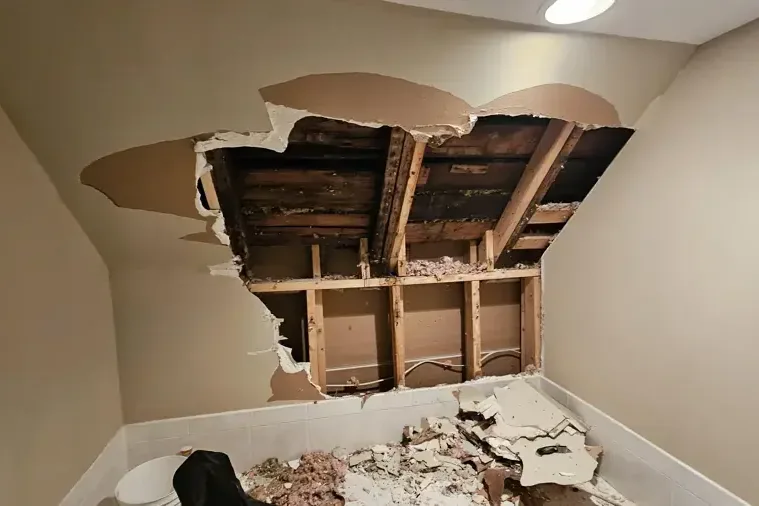
Ceiling Leak Water Damage
A sagging ceiling may start in the unit above; crews trace the source and dry the joist bays.
See the service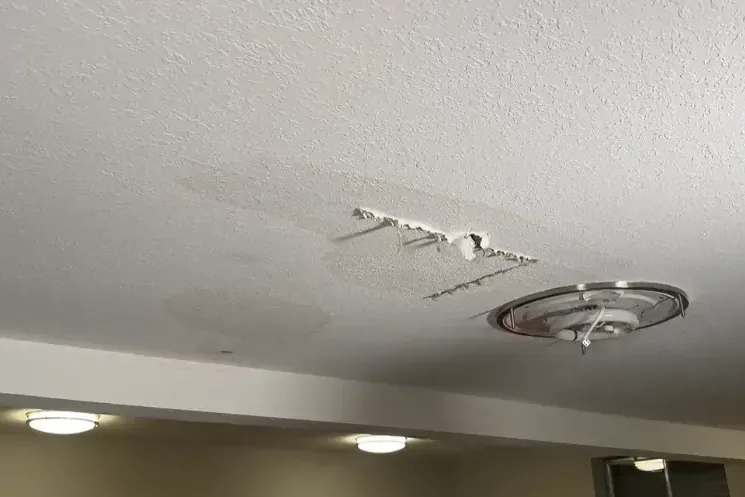
AC and Condensate Leak Cleanup
A clogged condensate drain can overflow into ceilings and walls; crews dry the stain and wet insulation.
See the service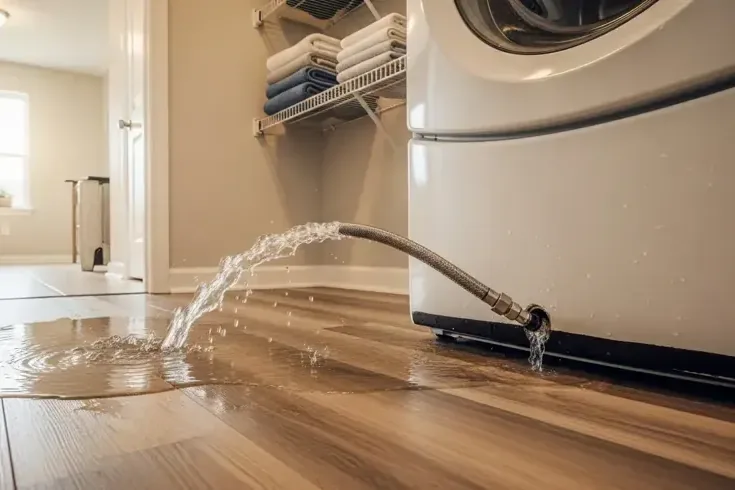
Appliance and Supply Hose Leak Cleanup
Hoses and supply pipes behind washers, dishwashers and refrigerators leak out of sight; crews check cabinet bases.
See the service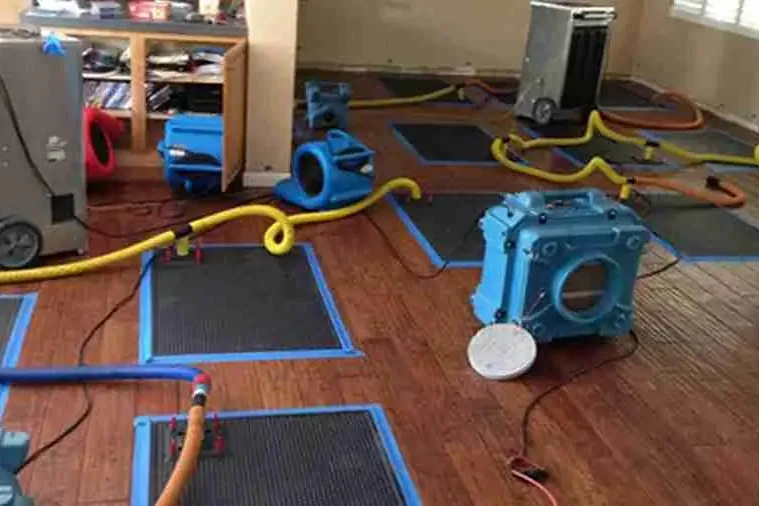
Structural Drying and Dehumidification
Air movers, dehumidifiers and mats pull moisture from framing and floors until the readings say dry.
See the service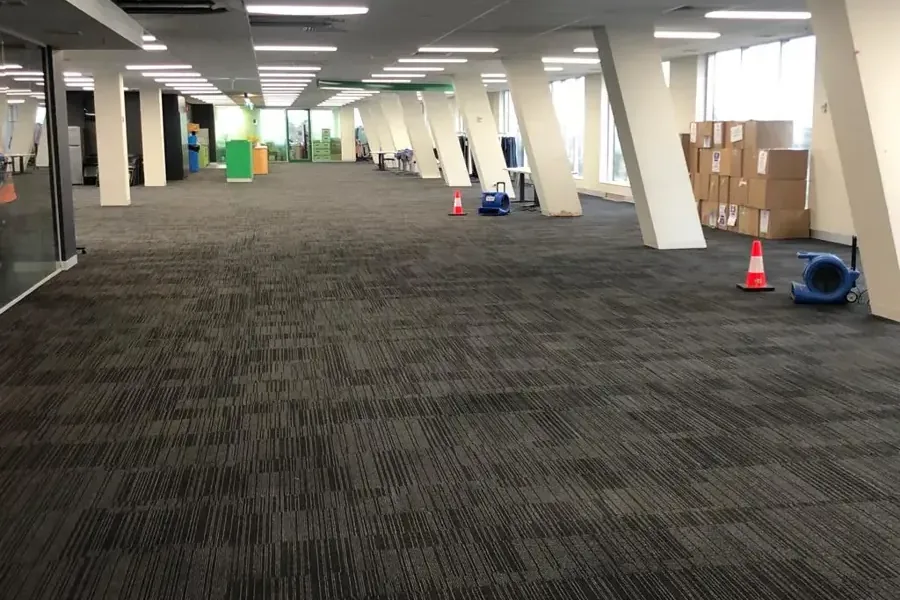
Commercial Water Damage
Stores, offices and clinics need phased drying so doors can stay open; crews work around business hours.
See the serviceThree water categories, three different responses
Category 1: clean water
From a supply pipe, tank or fixture, the water starts clean but turns riskier with time, so slab and pipe leaks need fast attention.
Slab leak responseCategory 2: gray water
Washer, dishwasher and sink overflows carry some contamination, so affected pad and porous materials are usually removed rather than saved.
Appliance leak cleanupCategory 3: black water
Sewage and storm flood water carry pathogens, so crews contain the area, remove porous materials and treat everything with antimicrobial products.
Sewage backup cleanupFive moves that limit the damage first
- I
Stop the source
Shut the main water valve or the fixture valve, and switch off a water heater or appliance that is leaking. Less water in means less to dry.
- II
Kill risky power
If water reached outlets, cords or the panel, turn off the affected circuit and keep everyone away from wet electrical gear.
- III
Lift what you can
Move rugs, electronics, paper and small furniture to dry ground, and raise valuables off the floor, as the city advises for garages.
- IV
Take photos first
Photograph the water, the source and each damaged item before anything moves, since adjusters rely on early images.
- V
Leave sewage alone
Stay out of sewage and standing storm water, wash hands often, and wait for protective gear before touching affected rooms.
What water damage cleanup usually costs and why
Small clean-water leaks usually run $1,200 to $3,500, wider losses with wet walls reach $3,500 to $11,000, and sewage or storm jobs run $8,000 to $25,000+, depending on materials and hours of exposure.
| Job size | Typical range | What it covers |
|---|---|---|
| Small clean-water leak in one area | $1,200 to $3,500 |
|
| Wet walls and lifted flooring | $3,500 to $11,000 |
|
| Sewage or storm water loss | $8,000 to $25,000+ |
|
Figures are typical ranges, not a quote, since the crew prices from moisture readings and materials on site. The water damage cost calculator gives a closer estimate.
A job ends when the readings say dry
A finished dry-out is measured, not guessed. Every wet material is mapped, extracted and dried until readings return to the dry standard for that material, with the numbers logged so an adjuster can follow the whole job. Equipment stays until the last reading passes.
- I
Moisture mapping
A meter and thermal camera trace the wet area through floors, walls and ceilings, so equipment goes where the water actually traveled.
- II
Extraction
Truck-mounted and portable units pull standing water first, because every gallon removed by pump is a gallon the dehumidifiers never handle.
- III
Equipment placement
Air movers push dry air across surfaces while LGR dehumidifiers pull moisture from the room; mats or desiccant units handle dense floors and slabs.
- IV
Readings until dry
Moisture content and humidity are checked on each visit, and equipment comes out only when framing, subfloor and drywall meet the dry standard.
Records that support a claim
Adjusters need evidence of what was wet, how long, and what was removed. The restoration team builds that record while the drying is under way.
- Dated photos of the leak source and every affected room
- A moisture map with readings at each wet surface and material
- Daily readings of temperature, humidity and material moisture content
- An itemized list of materials removed and the reason for each
- Equipment placed and days run, listed room by room
Before you file a claim
The city says most standard homeowners policies do not cover private sewer laterals or exterior water pipes, and it advises checking with the carrier. Keep every receipt and photo from day one.
Coverage depends on your policy, so check with your own insurer about water, sewage and storm losses before any repairs begin. The crew documents the damage but does not decide coverage.
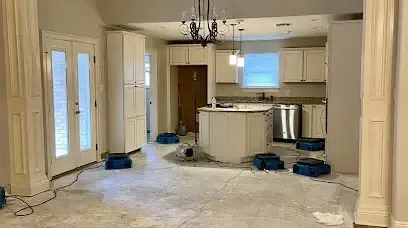
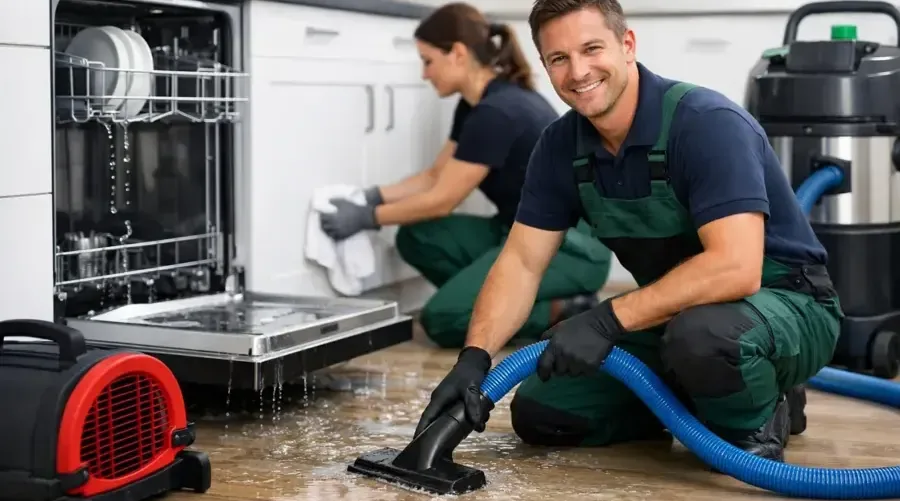
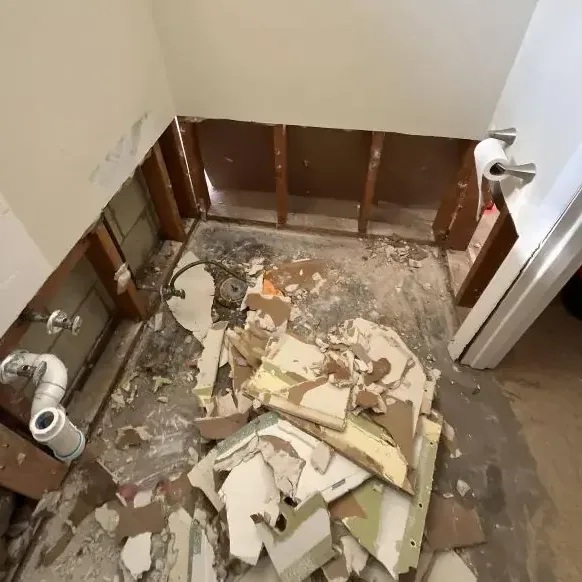
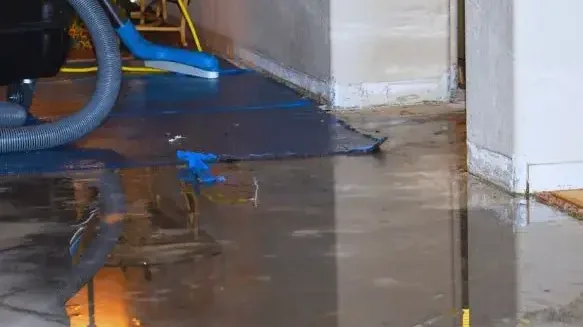
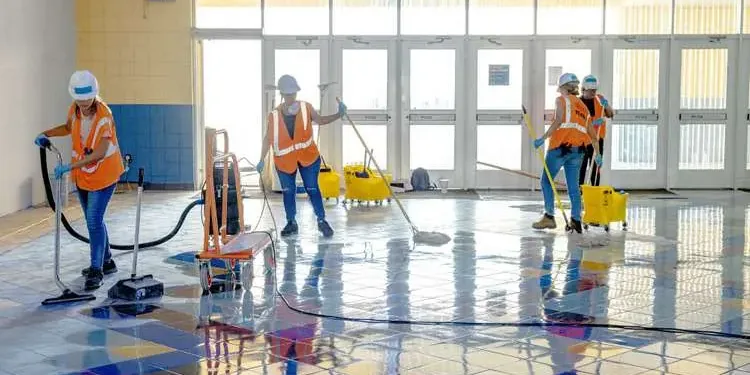
Typical equipment and conditions on water jobs
Water damage service across Lakewood and its neighborhoods
Streets and corridors
ZIP codes
Nearby cities
Water in the home right now?
Crews work across every part of the city at any hour, from older single-family streets to apartment buildings.
Share what happened, where the water is and whether it is still running, and the crew sets the next step.
Lakewood, CA · [email protected]
Where water trouble starts in Lakewood
Lakewood incorporated in 1954 and counts 27,552 housing units, 83.7 percent of them older than 1970. The city runs its own water system, and the county's Consolidated Sewer Maintenance District lists the city among its sewer service areas.

Early February 2024. An atmospheric river storm dropped heavy rain and triggered mudslide reports across Los Angeles County. No Lakewood damage is confirmed, but the city notes its flat streets can take time to drain, so garages and ground-level rooms deserve a check after a downpour.
- Mixed housing types: Most homes are detached houses, but attached homes and apartment buildings let leaks cross walls and ceilings into neighbors.
- Aging fixtures: Many homes predate 1970, so supply hoses, shutoff valves and water heater fittings have aged and fail more often.
- Slow street drainage: Streets in this flat city can take time to drain, and garages and other ground-level areas take water first.
- Busy households: The average household has 3.1 people, so laundry, showers and dishwashers run constantly and small hose or drain problems can go unnoticed.
- Sewer laterals: Homeowners are generally responsible for the lateral from the house to the sewer main, and most standard policies exclude private laterals.
Water damage questions, answered
How quickly does water damage get worse?
Drywall, carpet pad and wood start absorbing moisture at once, and mold can begin within 24 to 48 hours. Starting extraction early keeps more materials dry and the repair smaller.
Call a plumber or a restoration crew first?
Shut the valve and call a plumber to fix the source. The restoration team handles extraction and drying, and both jobs can run at the same time without slowing each other.
Who is called about a leak in the street?
The city runs its own water system, and city customers report leaks to the city water utility. About 6,000 households east of the San Gabriel River are served by Golden State Water Company instead.
Who is responsible for a sewer backup?
The county's Consolidated Sewer Maintenance District lists Lakewood among the cities it serves. Homeowners are generally responsible for the lateral from the house to the main, and a restoration crew handles the cleanup inside.
Does homeowners insurance cover sewer backups?
The city points out that typical homeowners policies leave out private sewer laterals and exterior water pipes, so ask your own insurer exactly what a sewage or water claim includes.
Why do older homes leak more often?
Supply hoses, valves and fittings wear out with age, and about 83.7 percent of homes here predate 1970. Replacing old washer hoses and shutoff valves is cheap compared with one flooded room.
Can my leak damage the neighbors?
In attached homes and apartment buildings, water crosses shared walls, floors and ceilings. Lakewood has 3,264 units in buildings of five or more units, so the crew checks adjoining surfaces and records what is wet.
What should leave a wet garage first?
Papers, electronics and boxes should go up on shelves or tables, which matches the city's storm advice about raising valuables. Deep or contaminated water calls for storm and flash flood cleanup, since it can hide electrical hazards.
How long does drying take?
Many clean-water jobs dry in three to five days, while dense materials like hardwood or a concrete slab take longer. Readings at each visit decide when the equipment comes out, and the drying time estimator gives a rough preview.
What will the adjuster want to see?
Dated photos, a moisture map, daily readings, a list of removed materials and equipment logs. The crew keeps them together, so the claim file is complete from the first day.
Start the drying before it spreads
Water keeps moving into drywall, framing and flooring until it is extracted. The restoration team is available around the clock to begin extraction and drying. Call with a short description and the next steps follow.
(888) 563-9619Talk through your water loss now