Water Extraction and Removal in Cypress, CA
Every hour standing water sits, more of it soaks into pad, drywall and the slab. The extraction crew pulls it out with truck-mounted and portable units, then sets drying equipment to the IICRC S500 standard.
(888) 563-9619Standing water? Call 24/7.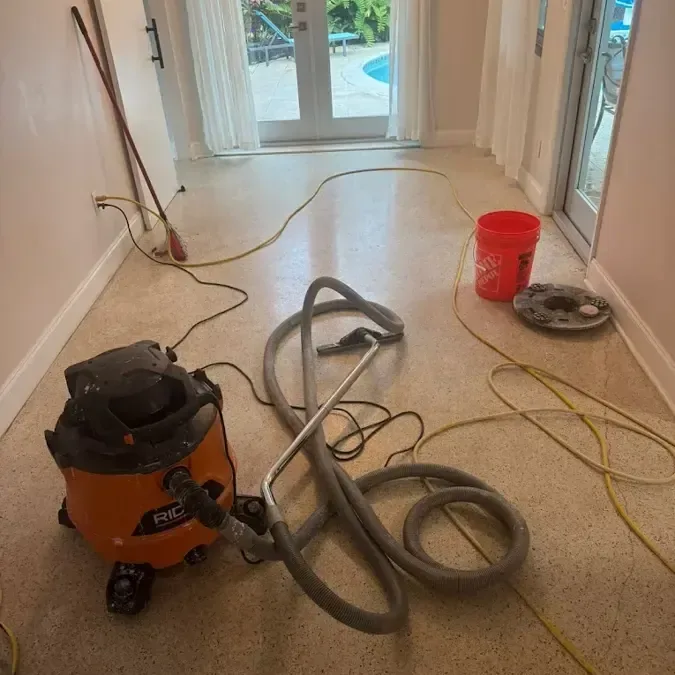
First steps for water extraction and removal
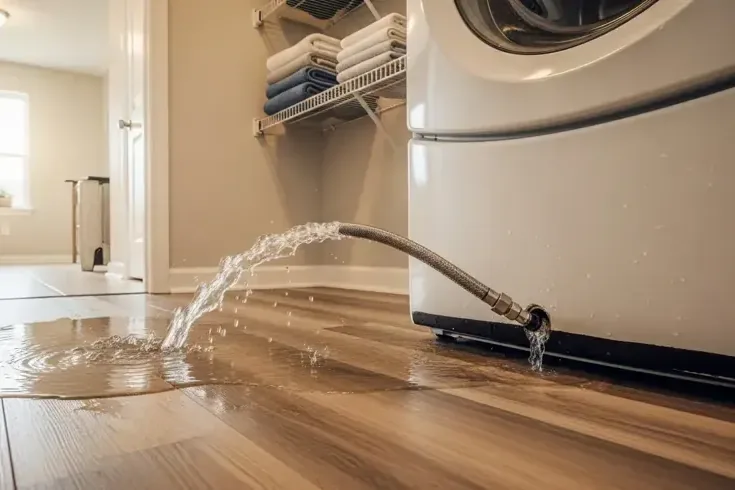
Stop the source
Close the main valve or the fixture valve feeding the leak.
Kill power to wet rooms
Switch off breakers only from a dry spot.
Lift what you can
Move rugs, cords and small furniture off the wet floor.
Skip the shop vacuum on sewage
Leave Category 3 water to crews in protective gear.
Most homes in Cypress have carpet, laminate or tile laid straight over a concrete slab. Water spreads fast across that flat surface and under the baseboards, so the extraction crew starts at the source and works out to the dry edges the meters find.
What does water extraction and removal cost in Cypress, CA?
Water extraction here typically runs $500 to $4,500, depending on how much floor is wet, the water category and whether pad, planks or wall bottoms have to come out.
| Job size | Typical range | What it covers |
|---|---|---|
| One room, clean water | $500 to $1,500 |
|
| Several carpeted rooms | $1,500 to $3,000 |
|
| Gray water or planks lifted | $3,000 to $4,500 |
|
These are typical ranges, never a quote. Four things move the total most: the water category, the wet square footage, the material class and how soon drying began. The water damage cost calculator narrows it for your own loss.
How water extraction and removal is handled, stage by stage
Moisture gets mapped with meters and a thermal camera before a single fan is set, so the plan follows the readings and not the stains. The drying team pulls equipment only when materials test dry.
- I
Inspect
The tech maps where water reached with meters and a thermal camera.
- II
Extract
Truck-mounted or portable units pull water from every wet surface.
- III
Remove
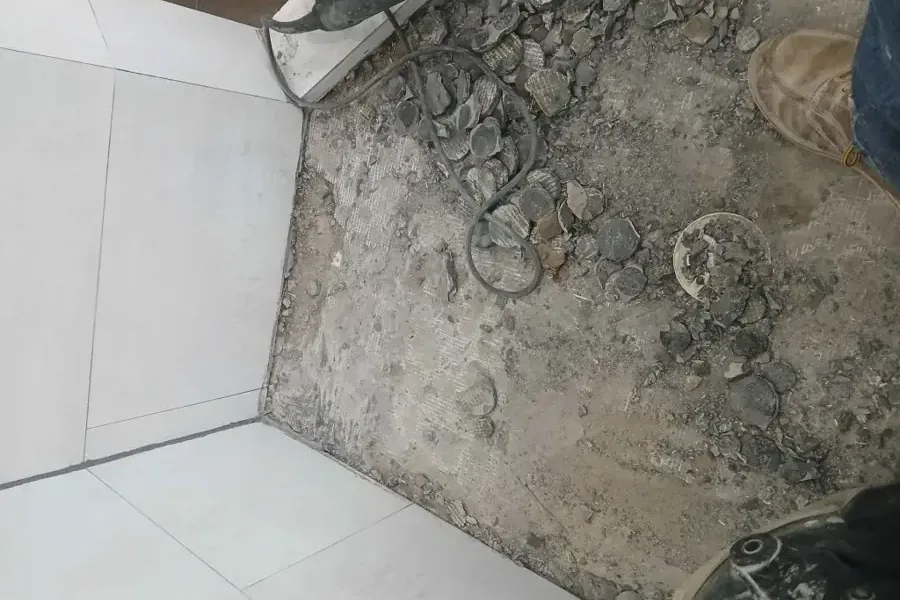
Soaked pad and anything Category 3 water touched comes out.
- IV
Dry and verify
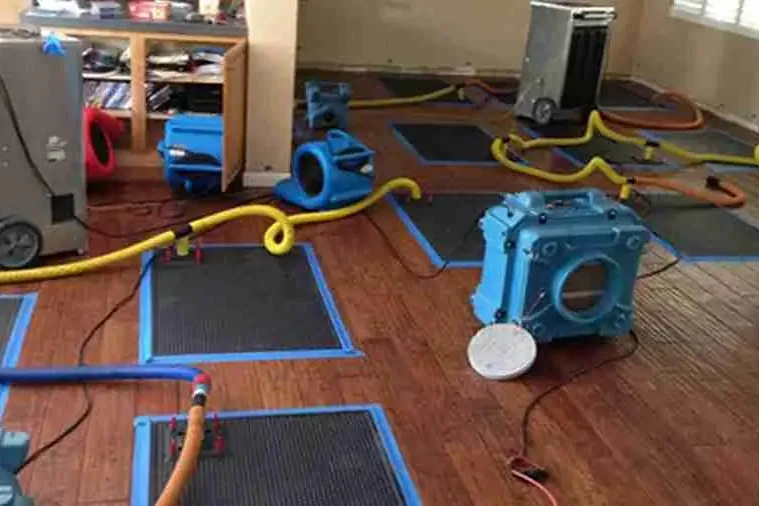
Air movers and dehumidifiers run until readings match the dry reference.
What extraction removes
Extraction is the cheapest drying there is. One pass with a truck-mounted unit removes more water than days of fans and dehumidifiers.
- Standing water on tile, vinyl and bare concrete.
- Water held in carpet and pad, pulled with weighted or ride-on wands.
- Water trapped under laminate and floating floors, which often means lifting planks.
- Water in wall bottoms, reached through small holes or a flood cut when readings call for it.
Truck-mounted or portable
Truck-mounted units stay outside and run hoses in, which gives more suction and keeps exhaust out of the house. Portable units go where hoses cannot reach, such as an upstairs condo or a long run to the back of a deep lot.
After the water is out
The drying team decides what stays and what goes. Carpet often dries in place after clean water, pad usually comes out after gray water, and everything porous goes after sewage or storm water. Then air movers and LGR dehumidifiers go down and structural drying takes over.
- Pad that soaked through is cut out, since it costs little and holds water for days.
- Furniture goes on blocks or foil tabs to protect the carpet and the legs.
- Readings are logged daily until materials match a dry reference.
Safety while water is standing
Electricity and water are the first hazard. Ready.gov flood safety covers power and contamination risks, and the EPA indoor air quality pages explain why wet materials need to dry quickly.
Water extraction and removal across Cypress and north Orange County
The local restoration crew covers ZIP 90630, from the tracts along Lincoln Avenue and Ball Road to the Oak Knoll Park area, the college district off Valley View Street and the offices along Katella Avenue and Valley View Street.
Nearby coverage reaches La Palma, Los Alamitos, Buena Park, Stanton, Hawaiian Gardens, Cerritos, Artesia, Lakewood, Rossmoor, Garden Grove, Seal Beach, Westminster.
Related water damage services
Water Extraction and Removal questions, answered
How soon should water be extracted?
As soon as possible. Water keeps wicking into pad, drywall and the slab, and mold can start on wet materials within 24 to 48 hours.
Can wet carpet be saved?
Often, after clean water caught early. Carpet soaked by gray water usually loses its pad, and carpet touched by sewage or storm water is removed.
Is a shop vacuum enough?
For a small clean spill, it helps. It cannot pull water out of pad or wall bottoms, and it should never be used on sewage.
Why lift laminate flooring?
Laminate and floating floors trap water underneath, where air cannot reach it. Lifting planks is often the only way to dry the slab below.
Does extraction finish the job?
No. Extraction removes the free water, and structural drying with air movers and dehumidifiers removes what soaked into materials.
Is water extraction covered by insurance?
When the water comes from a sudden and accidental event, extraction is often part of the claim. Coverage depends on your policy, so check with your own insurer.
Standing water in your home right now?
Every hour water sits it soaks deeper into pad, drywall and the slab. The extraction crew pulls it out and starts the drying.
(888) 563-9619Call for water removal