Water Damage Restoration Hawaiian Gardens, CA
Around-the-clock water damage restoration in Hawaiian Gardens, CA. The restoration team pulls out standing water, dries homes and apartments to IICRC S500 and records each step for the insurance claim.
(888) 563-9619Water spreading through the unit? Call now.ZIP 90716, from Carson Street and Norwalk Boulevard to Pioneer Boulevard and nearby blocks.
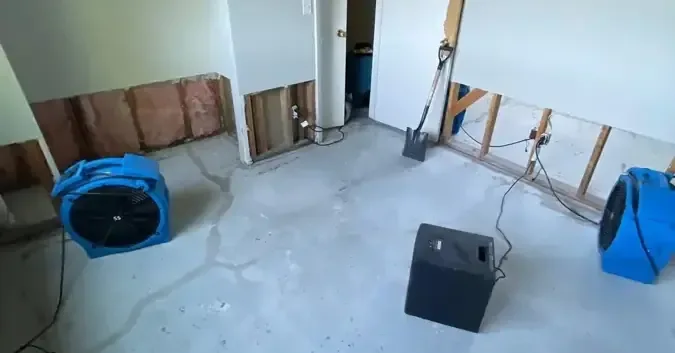
Done means dry readings within 2 to 4 points of an unaffected reference
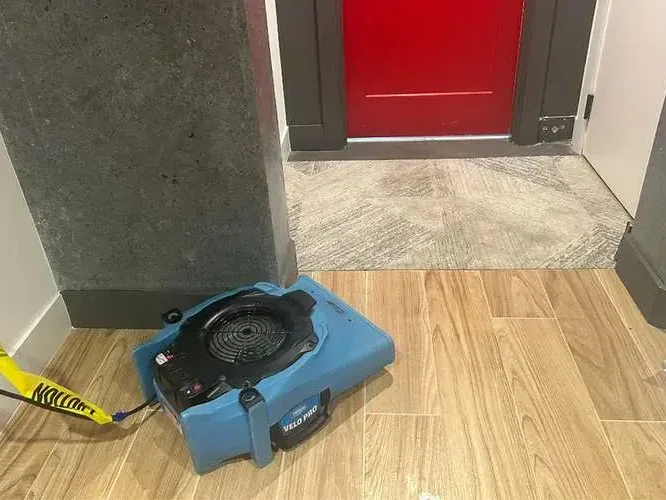
How a water loss gets handled in a dense, older city
The smallest city by area in Los Angeles County holds single-family homes, attached homes, apartment buildings and mobile homes. About 63.6 percent of the housing stock was built before 1970. In shared buildings a leak rarely stays in one unit, so the response team checks the walls, ceilings and floors next door too.
Rapid local response
Dispatch never closes, and active water in a home, apartment or shop gets urgent handling day or night, holidays too.
IICRC S500 drying standard
Drying goes into the structure, not just the surface, with equipment counts matched to the class of loss.
Claim-ready documentation
A moisture map, daily drying logs and date-stamped photos made before drywall or flooring is removed.
Shared-wall know-how
Renters are the majority here, and many households live in attached homes or apartment buildings, so the file records every affected unit.
Water Damage Restoration Services in Hawaiian Gardens, CA
A dozen kinds of water loss, each handled by its source, from a leak in a shared apartment wall to storm water off a flooded street.
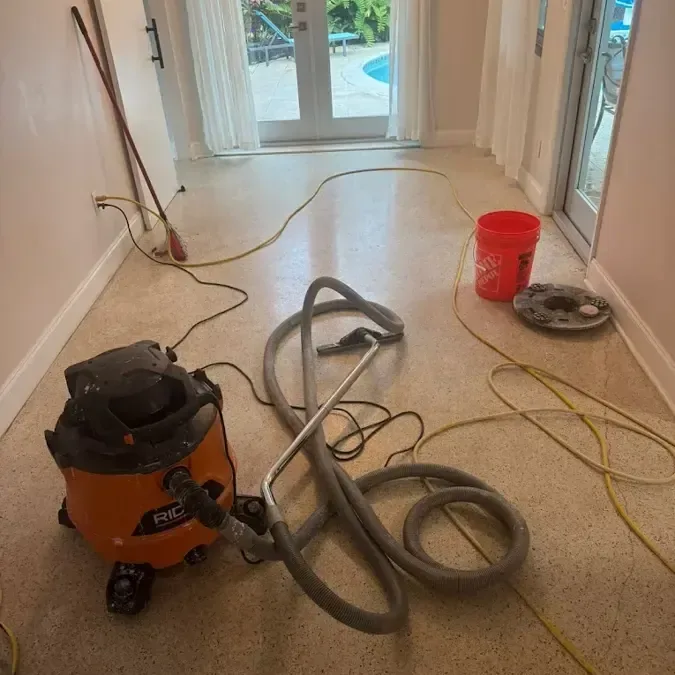
Water Extraction and Removal
Standing water pulled from carpet, pad and hard floors with truck-mounted or portable extractors before it spreads to the next room.
See the service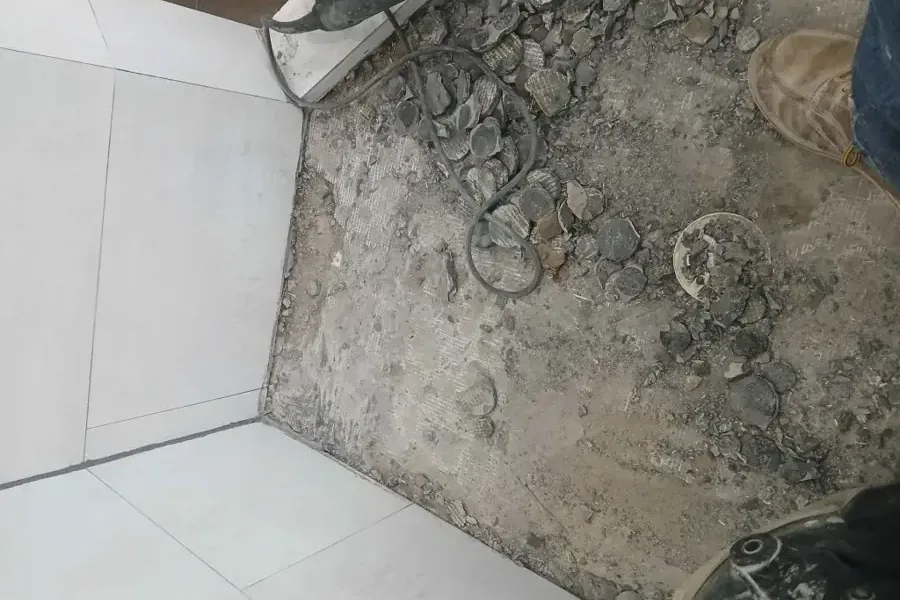
Slab Leak Water Damage
Hidden leaks under the floor traced with meters, soaked flooring lifted only where meters say and the floor beneath dried.
See the service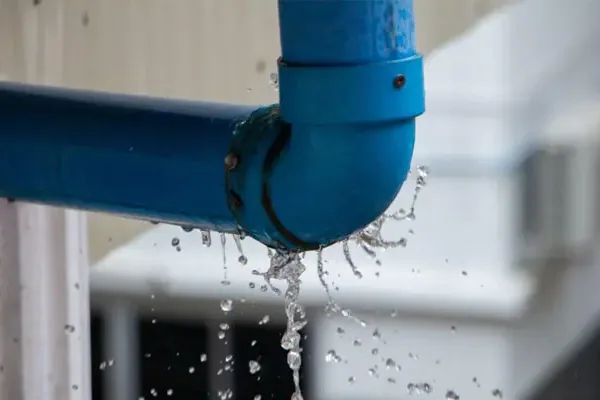
Burst Pipe Water Damage
Broken fittings and supply pipes extracted, wall cavities opened only where the meters read wet, framing dried.
See the service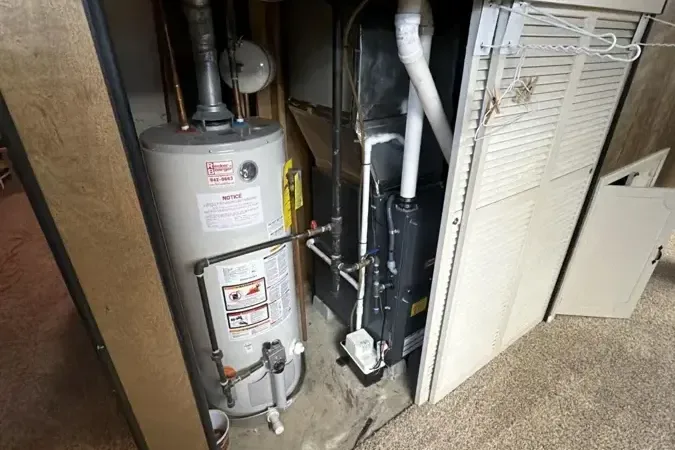
Water Heater Leak Cleanup
Leaking tanks cleaned up before the water reaches carpet, cabinets and the walls of nearby rooms.
See the service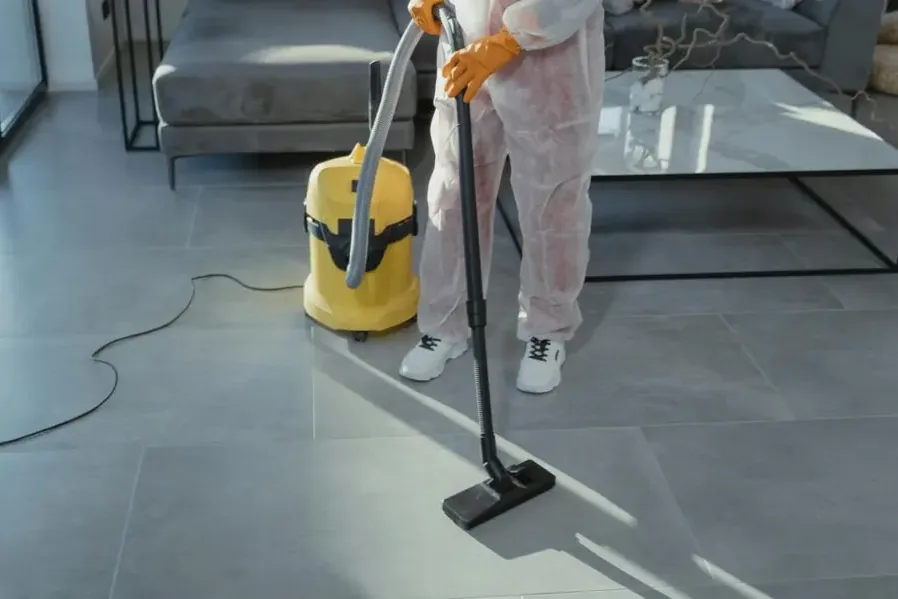
Sewage Backup Cleanup
Toilet, tub and shower backups contained as Category 3, porous materials removed and every surface treated.
See the service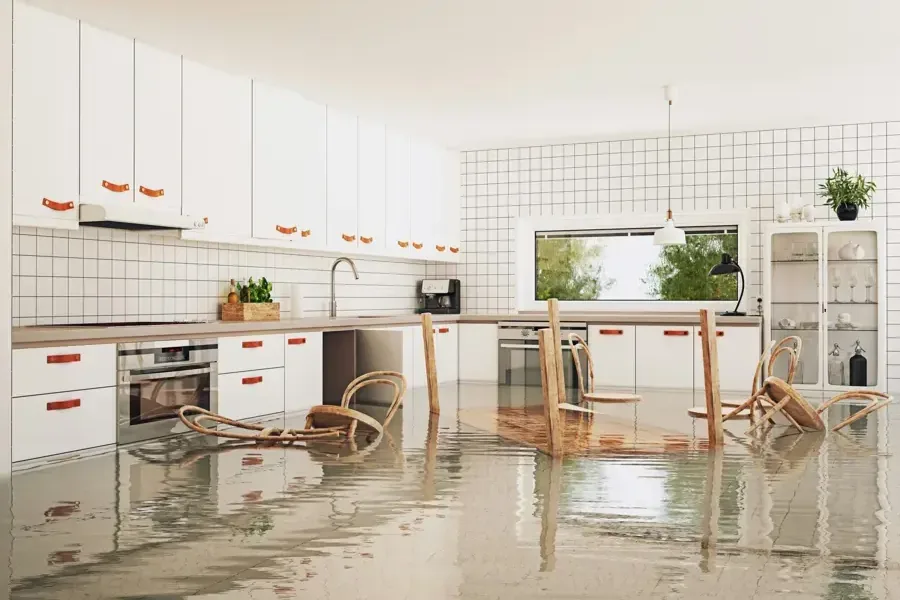
Storm and Flash Flood Cleanup
Storm water from overloaded street drains handled as contaminated, soaked materials removed and the structure dried.
See the service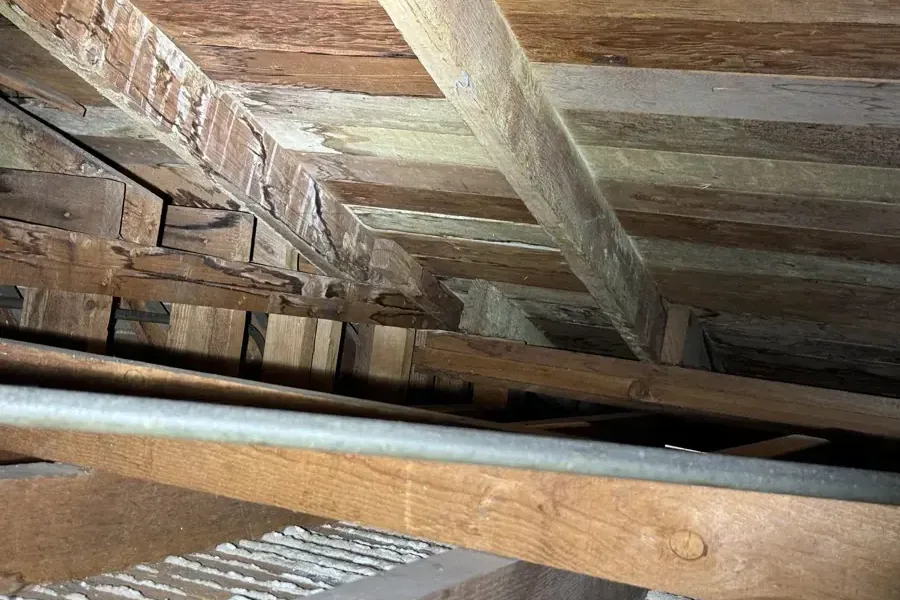
Roof Leak Water Damage
Winter storm leaks through worn roofing, wet insulation pulled from the attic and ceilings dried.
See the service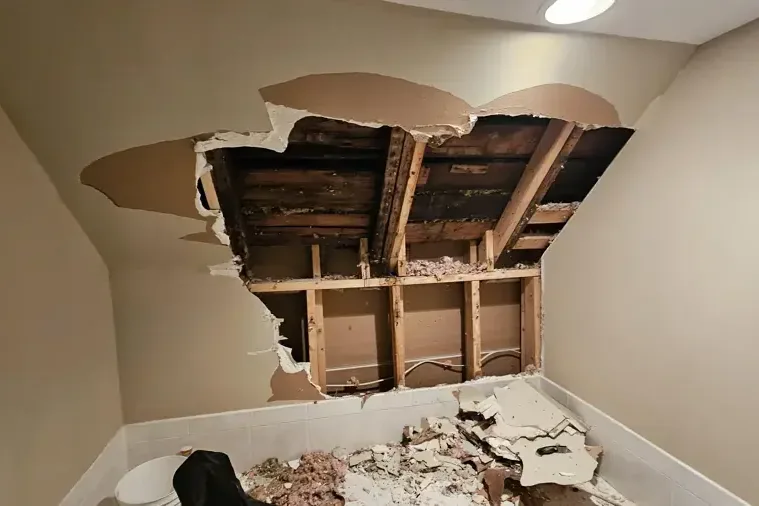
Ceiling Leak Water Damage
Leaks from the unit or bathroom above traced, ceilings opened safely and the framing dried.
See the service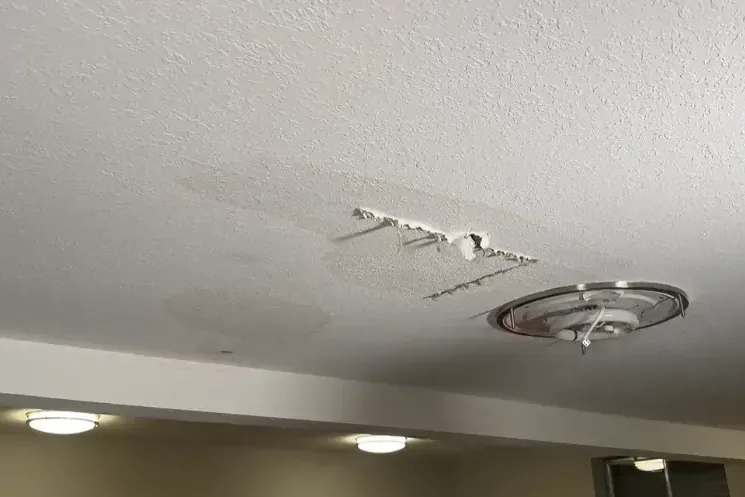
AC and Condensate Leak Cleanup
Overflowing condensate pans and clogged AC drains dried out of ceilings, closets and floors.
See the service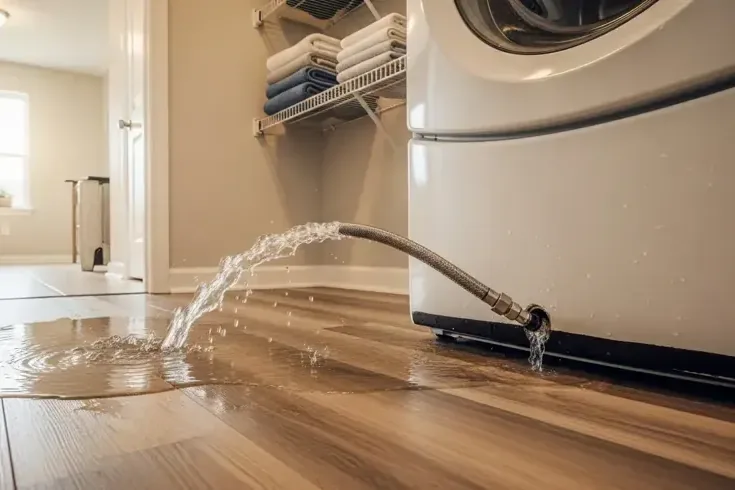
Appliance and Supply Hose Leak Cleanup
Washer, dishwasher, ice maker and toilet supply leaks extracted, with cabinets and flooring dried out.
See the service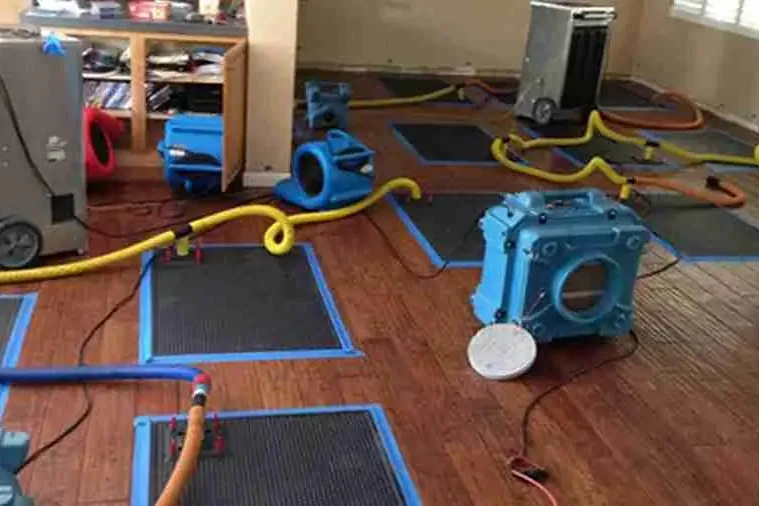
Structural Drying and Dehumidification
Framing, subfloor, drywall and hard flooring dried until readings match an unaffected reference spot.
See the service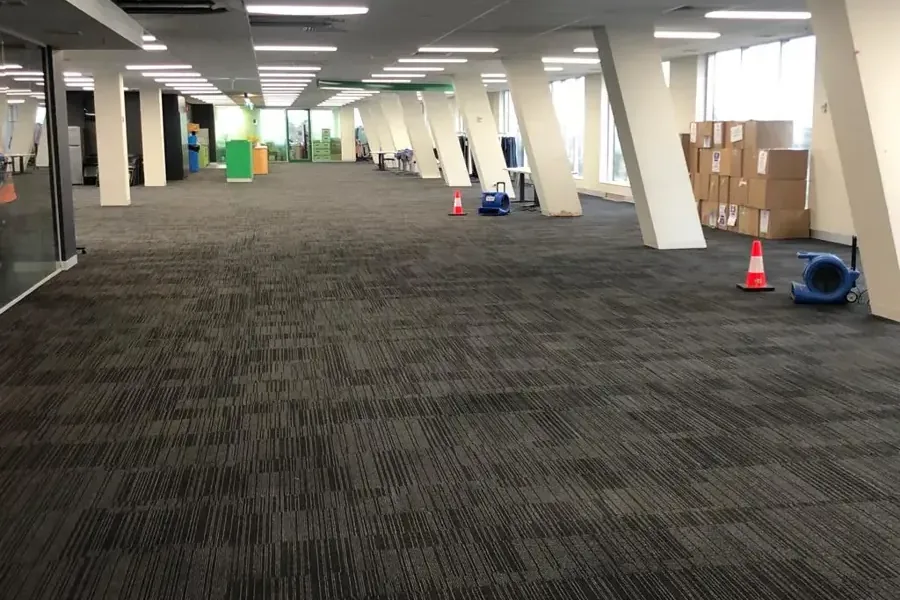
Commercial Water Damage
Shops and offices along Carson Street and Norwalk Boulevard dried section by section while business goes on.
See the serviceEvery water damage category, from clean to black
Category 1: clean water
A broken supply pipe, a leak under the floor or a failing water heater. Found quickly, most of it can be dried where it sits.
Slab leak water damageCategory 2: gray water
Washer or dishwasher discharge, an AC pan overflow or clean water left for days. Carpet pad is pulled and surfaces get antimicrobial.
Washer, dishwasher and hose leaksCategory 3: black water
Sewage from a backed-up toilet or tub and storm water off the street. Anything porous it soaked is thrown out, never dried in place.
Sewage backup cleanupFirst moves while water is still coming in
- I
Close the main valve
Turn the house or unit shutoff clockwise until it stops. In an apartment, the manager can show where the building valve sits.
- II
Cut power to wet areas
If water reaches outlets, cords or an appliance, flip the breaker only while standing somewhere dry. If that is not possible, keep out of the room.
- III
Warn the unit below
In a shared building, water travels through floors and walls fast. Tell the neighbors below and the manager right away.
- IV
Keep clear of street water
Storm water that came in from outside carries contamination. Keep children and pets away and do not mop it into other rooms.
- V
Take photos before cleanup
Shoot each wet room from the doorway and up close, plus the source and anything damaged, with the date stamp on.
What does water damage restoration cost in Hawaiian Gardens, CA?
In this city, a contained clean-water loss usually costs $1,200 to $5,500 to dry out. Sewage backups, storm water and leaks that spread under flooring commonly reach $5,000 to $25,000 or more.
| Job size | Typical range | What it covers |
|---|---|---|
| Small clean-water leak | $1,200 to $3,500 |
|
| Several rooms or the unit below | $3,500 to $11,000 |
|
| Sewage or storm water | $8,000 to $25,000+ |
|
Ranges only, never quotes. The total moves with the water category, how many square feet got wet, the materials and how soon drying started. The cost calculator for water damage narrows it.
Drying held to IICRC S500, not to guesswork
On day two, a real dry-out and a cosmetic one can look identical. What separates them is the numbers: under IICRC S500, the industry's drying standard, equipment keeps running until wet materials match the readings of an unaffected spot in the same home.
- I
Moisture map before equipment
Before any fan goes down, the walkthrough tech marks where the water reached with pinless meters and a thermal camera, shared walls included.
- II
Extraction
Truck-mounted or portable extractors pull water from carpet and pad, and one pass does more than several days of fans.
- III
Air movers and dehumidifiers
Air movers are aimed to match how fast each room can give up moisture, and LGR dehumidifiers capture it so it does not drift into the next unit.
- IV
Readings until dry
Each visit adds new readings to the log, and equipment leaves only when the wet spots match the reference.
Documentation for your insurance claim
Adjusters decide water claims on paper. A complete drying file shows which materials got wet, how wet they were and how they were dried, unit by unit.
- A first-visit moisture map marking every wet material and room
- Psychrometric logs for each day with temperature, humidity and readings of the materials
- Photos with timestamps, taken before drywall, flooring or cabinets are removed
- The category of water and class of loss, noted on day one
- An itemized scope of the work, in the line-item format adjusters use
Check your own policy
Insurers usually treat a sudden pipe or appliance failure one way and storm water, slow leaks or sewer backups another. Flood coverage typically means a separate policy, and backup often requires an added endorsement.
Renters usually need their own renters policy for belongings, since the building owner's policy covers the building. What is covered depends on the policy itself, so ask your own insurer.
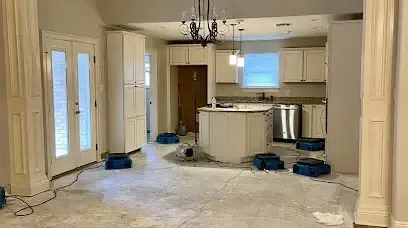
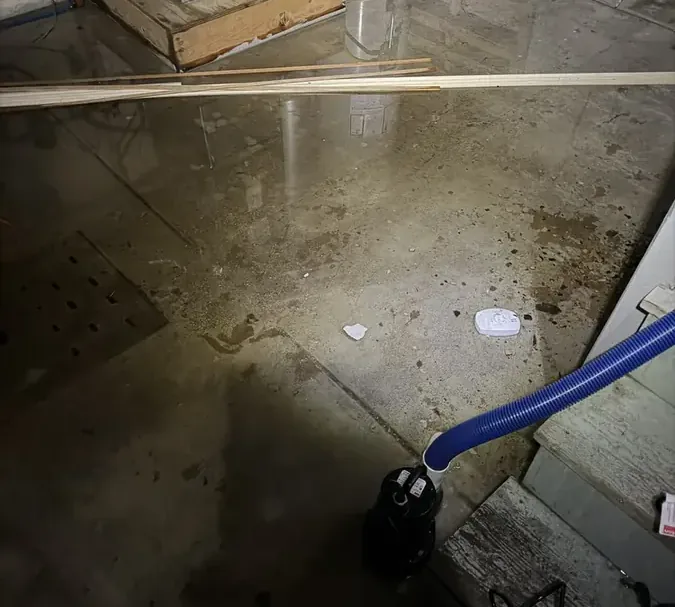
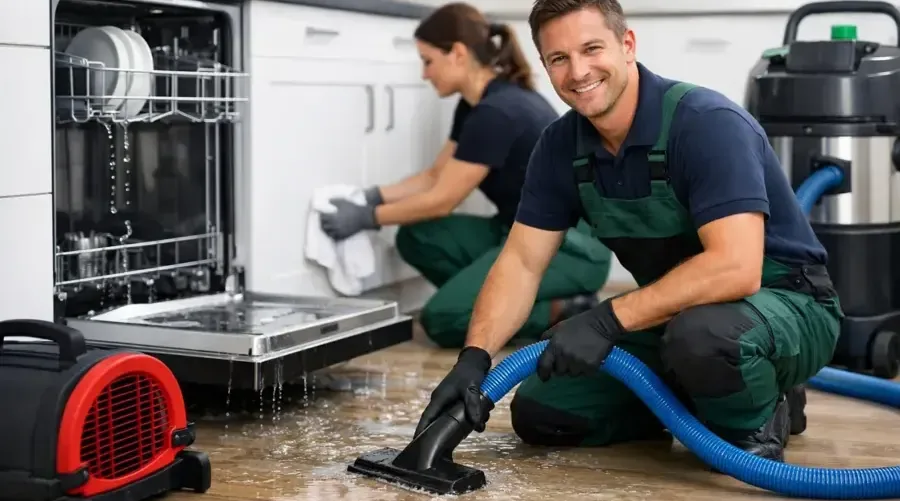
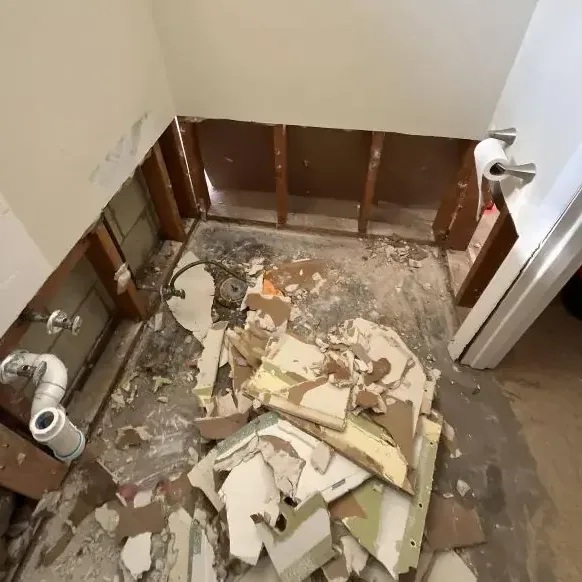
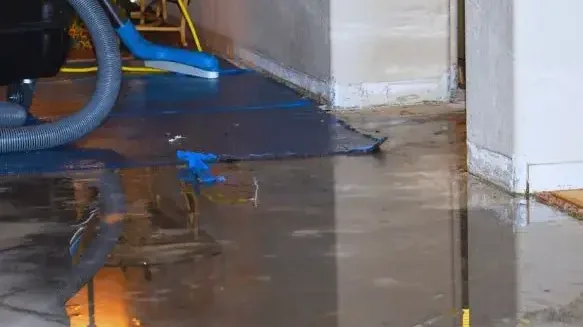
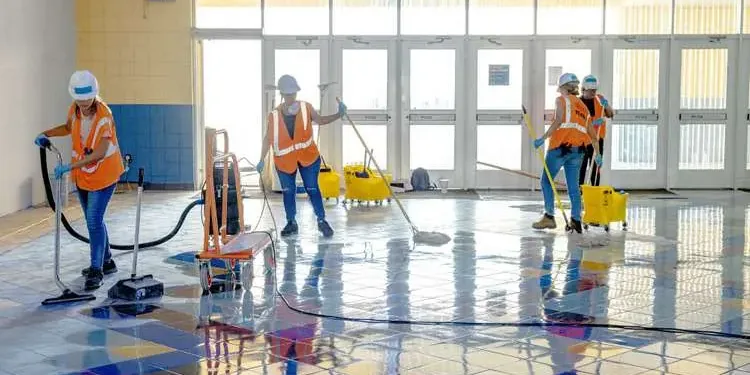
Inside a typical water damage dry-out
Water damage restoration across Hawaiian Gardens and nearby cities
Streets and corridors
ZIP code
Nearby cities
One call reaches Hawaiian Gardens water damage pros, 24/7
Water damage specialists in the area take on apartment and home leaks, sewage backups and storm water around the clock.
The response team works every block of the city plus neighboring cities in Los Angeles County and Orange County.
Hawaiian Gardens, CA · [email protected]
Water damage in Hawaiian Gardens, CA: the local risk profile
The city was incorporated on April 9, 1964, and paved streets, curbs, gutters and storm drains arrived in the 1960s. About 63.6 percent of homes predate 1970, Golden State Water Company supplies the water, and a county district maintains the local sewers.

January 4, 1995. A prolonged downpour dropped up to 5 inches in some places in a few hours and overwhelmed the storm drains. About 124 homes flooded, the worst west of Norwalk Boulevard and south of Carson Street, and the city declared a local state of emergency.
- Dense, shared housing: with 834 units in buildings of five or more and 364 in buildings of two to four, a leak upstairs or next door reaches neighbors.
- Older housing stock: about 63.6 percent of homes were built before 1970, so aging plumbing deserves a look after any leak.
- Storm drain overload: in 1995 the rain outran what the drains were designed to handle, and officials said yard debris blocked some drains.
- Busy households: an average of 4.1 people per household means heavy daily use of water heaters, washers and bathrooms.
- Sewer mains: the county's Consolidated Sewer Maintenance District cleans and camera-inspects the mains, while a backup inside a home still needs Category 3 cleanup.
Questions renters and owners ask about water damage
How quickly does help arrive for water damage here?
Dispatch never closes, so active water gets urgent handling on weekends, nights and holidays alike. On the first visit the crew usually starts extraction and leaves drying equipment running.
I rent my apartment. Who should I tell first?
Tell the property manager or owner right away so the building water can be shut off, then photograph your own belongings. The building owner's policy usually covers the structure, and a renters policy covers what you own.
What happened in the January 1995 flood?
A prolonged downpour on January 4, 1995 overwhelmed the storm drains and flooded about 124 homes. Many homes around Norwalk Boulevard and Devlin Avenue took on up to a foot of water, and 34 ground-floor apartments at a senior citizens housing complex were damaged.
Who maintains the sewer mains in the city?
The Los Angeles County Department of Public Works maintains the local sewers through its Consolidated Sewer Maintenance District, which cleans and camera-inspects the mains and responds to overflows. Cleanup inside a home after a backup is a separate job, handled as Category 3.
Why did water from upstairs end up in my ceiling?
Water runs along the framing and drops at the first opening, often a light fixture or a seam. In stacked units the source is usually a bath, toilet or appliance above. The ceiling leak water damage page explains how it gets dried.
How many days does drying usually take?
Small Class 1 losses often finish in three to five days. Water inside shared walls, under flooring or in cabinets takes more time, and the equipment stays until the readings confirm dry. For a typical window, try the drying time estimator.
What does IICRC S500 cover?
S500 is the restoration industry's written standard for water damage. It sorts water into three categories and losses into four classes, and it defines dry as materials matching an unaffected reference spot.
Is storm water that came in from the street contaminated?
Yes. Water that crossed streets, yards or driveways is treated as Category 3, so the carpet, pad and drywall it soaked come out, and hard surfaces are cleaned and treated before drying.
Why do older homes need a closer look after a leak?
About 63.6 percent of local homes were built before 1970. Aging plumbing, fittings and fixtures are worth a plumber's check after any leak, while the drying team handles the water itself.
What sets the price of a dry-out?
Four things: the water category, how many square feet got wet, which materials are involved and how soon drying began. A typical range comes from the cost calculator, and the moisture map sets the real scope.
Water damage in Hawaiian Gardens right now?
From a single apartment to a row of shops on Carson Street, the drying team pulls the water, dries to the IICRC S500 goal and keeps a full claim file, around the clock.
(888) 563-9619Call before the unit below gets wet