Water Extraction and Removal in Hawaiian Gardens, CA
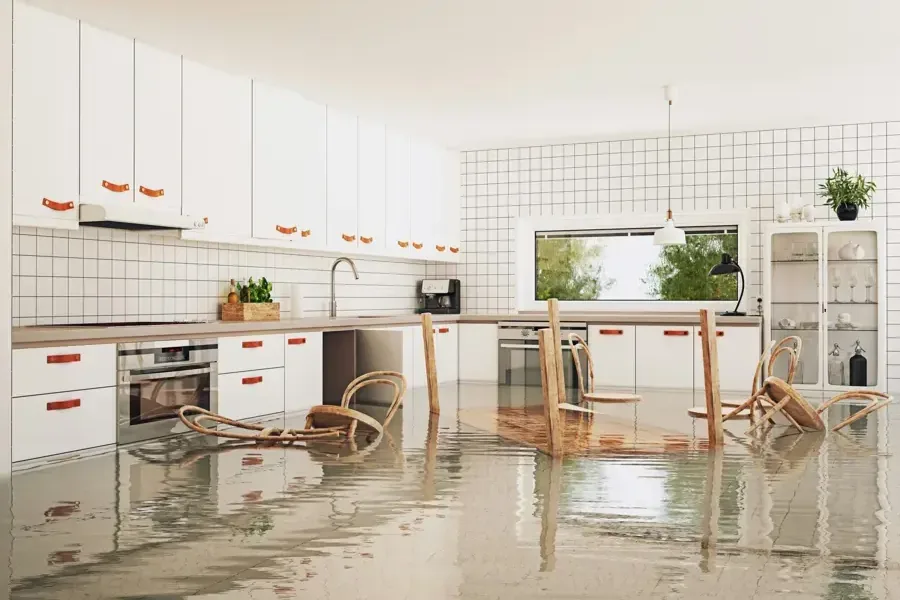
The extraction crew pulls standing water out of houses, apartments and shops here, from a leaking dishwasher in a shared building to a storm drain overflow, then sets drying equipment before damp flooring starts to swell.
(888) 563-9619Water on the floor? Call now.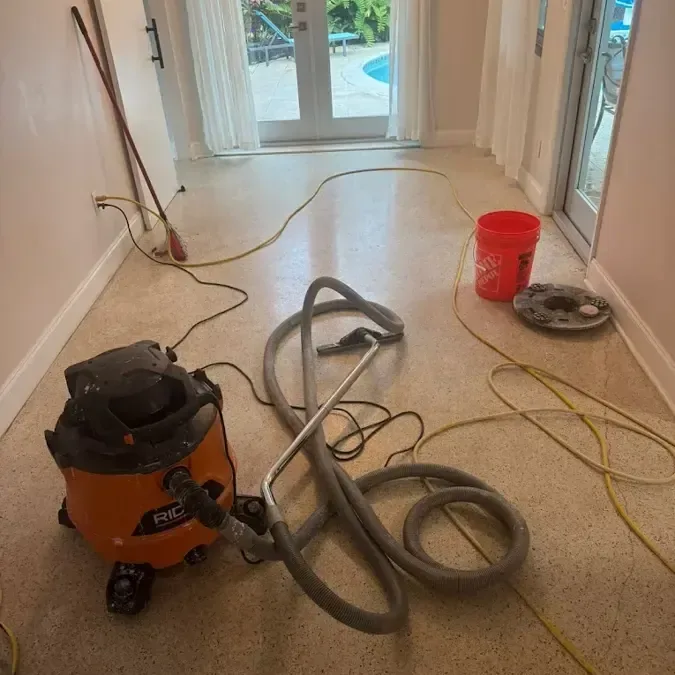
First steps for water extraction and removal
Stop the source
Close the valve for the leaking pipe, hose or fixture if it can be reached safely.
Keep power away
Leave wet outlets, cords and electronics alone until the room is checked.
Lift what you can
Move small furniture, rugs and boxes off damp flooring.
Photograph the water
Take pictures of the floor and any stained walls before anything is moved.
Extraction is the first job on nearly every water loss. Water left sitting in carpet, pad and baseboards keeps soaking sideways and upward, so removing it early limits how much of the structure has to be torn out.
What does water extraction and removal cost in Hawaiian Gardens, CA?
Extraction for one clean water room usually costs $500 to $1,500. Several carpeted rooms run $1,500 to $3,000, and gray water or lifted planks reach $3,000 to $4,500.
| Job size | Typical range | What it covers |
|---|---|---|
| Single room, clean water | $500 to $1,500 |
|
| Carpeted rooms, several | $1,500 to $3,000 |
|
| Gray water or lifted planks | $3,000 to $4,500 |
|
These are typical ranges, never a quote. Four things move the total most: the water category, the wet square footage, the material class and how soon drying began. The water damage cost calculator narrows it for your own loss.
How water extraction and removal is handled, stage by stage
Moisture gets mapped with meters and a thermal camera before a single fan is set, so the plan follows the readings and not the stains. The drying team pulls equipment only when materials test dry.
- I
Pump
Truck mounted and portable units pull standing water while wet vacuums clear corners.
- II
Lift
Soaked carpet is peeled back and the pad is judged.
- III
Dry
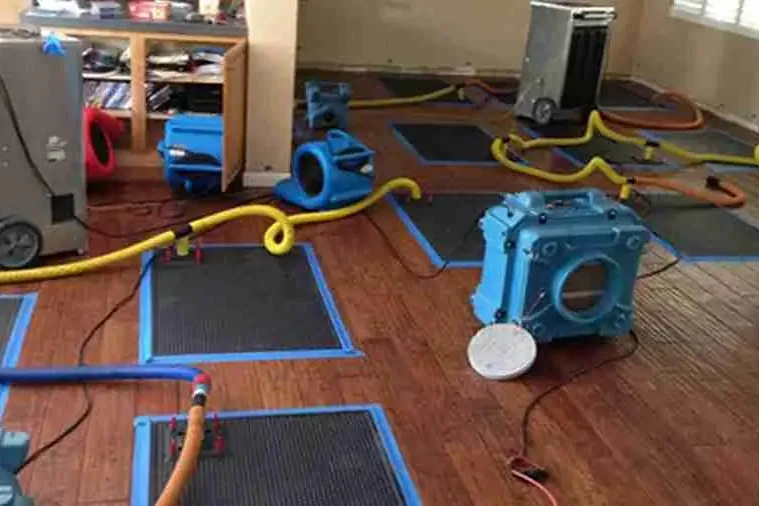
Air movers and a dehumidifier go in once surface water is gone.
- IV
Check
Meters are read at every visit until flooring matches dry readings.
Small leaks and big floods
Local losses cover a wide range. A washing machine hose can soak one bedroom in an apartment, while the January 4, 1995 downpour, as newspapers reported at the time, overwhelmed storm drains and flooded about 124 homes. The method is the same at either size, only the equipment count changes.
Shared walls add a twist. A dishwasher leak upstairs can stain a neighbor's ceiling, so the crew checks the unit below before packing up.
How the water comes out
The crew starts with the water that can be seen, then works toward the water that cannot be.
- Pumps and wet vacuums clear standing water from the floor.
- Carpet is lifted so the pad beneath can be judged, because pad holds water like a sponge.
- Furniture legs are blocked so wet carpet does not stain wood.
- Cabinet bases and baseboard edges are vacuumed where water pooled.
After the pumps stop
Pulling the water is only the start. Air movers and a dehumidifier handle the moisture left in wall bottoms and subfloor, which is why structural drying follows nearly every extraction. A meter confirms the result, not a guess.
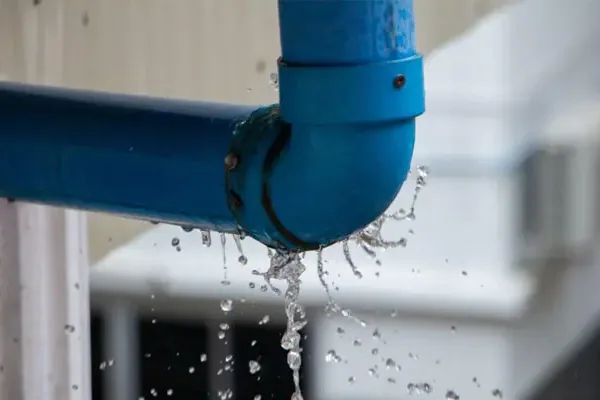
Water from a failed supply pipe follows the same path, with the valve closed first. Burst pipe cleanup covers that sequence in detail.
Water extraction and removal across Hawaiian Gardens and nearby cities
The extraction crew serves ZIP 90716, from the shops along Carson Street and Norwalk Boulevard to the homes on Juan Avenue and Funston Avenue, plus the blocks around City Hall on Pioneer Boulevard.
The same service nearby: water extraction and removal in Cypress, La Palma, Cerritos.
Water Extraction and Removal questions, answered
How soon should standing water be removed?
As soon as it is safe. Carpet pad starts holding water within hours, and damp drywall can grow mold after 24 to 48 hours.
Can wet carpet be saved?
Often, when the water was clean and the carpet is lifted and dried promptly. The pad usually goes, and carpet that sat in gray water is judged case by case.
What if the water came from a neighbor's unit?
Extraction works the same way, but the source sits in another home. Photograph the damage, tell the building manager and ask your insurer how shared building losses are handled.
Does extraction include drying?
Extraction removes the standing water. Drying the floor, wall bottoms and subfloor is the next stage, with air movers and dehumidifiers tracked by meter readings.
Is storm water handled differently?
Yes. Street water carries dirt and debris, so it is treated as contaminated, with more material removed and an antimicrobial applied. See storm and flash flood cleanup.
Water spreading across a floor here?
Standing water soaks into carpet, pad and wall bottoms the longer it sits. The extraction crew removes it and sets the drying equipment.
(888) 563-9619Book the pump out