Water Damage Restoration Cypress, CA
24/7 water damage restoration in Cypress, CA. The restoration team extracts standing water, dries the slab and framing to the IICRC S500 standard and documents every step for your insurance claim.
(888) 563-9619Leak spreading under the floor? Call now.ZIP 90630, plus La Palma, Los Alamitos, Buena Park, Stanton and Hawaiian Gardens.
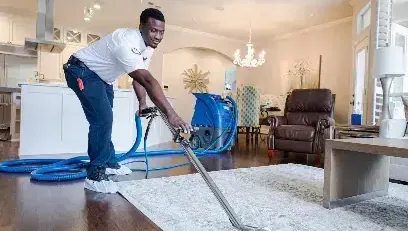
Done means dry readings within 2 to 4 points of an unaffected reference
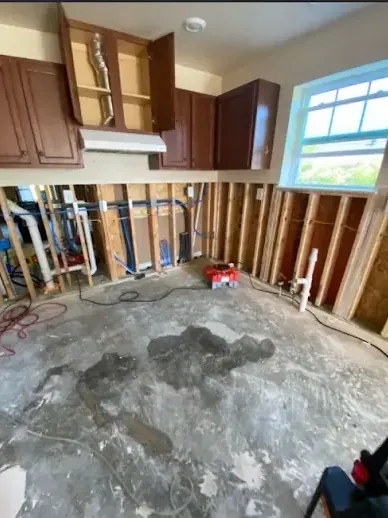
How the local restoration crew handles a water loss
Water in a slab home rarely stays where it starts. It slides under carpet pad and laminate, wicks up drywall from the bottom and hides behind cabinets, so a floor that looks dry can still be wet a room away. The response team works every loss the same way: find the edges of the water first, then dry to readings.
Rapid local response
Dispatch runs 24/7, and active water is treated as urgent at any hour, weekends included.
IICRC S500 drying standard
Structural drying, not surface drying, with air movers and LGR dehumidifiers sized to the class of loss.
Claim-ready documentation
Moisture maps, daily psychrometric logs and timestamped photos taken before any demolition.
Local water know-how
Slab leaks, garage water heaters, attic AC drains and root-choked sewer laterals lead the list in homes from the 1960s and 1970s.
Water Damage Restoration Services in Cypress, CA
Twelve kinds of water loss, each handled the way its source demands, from a pinhole under the slab to a root-choked sewer lateral.
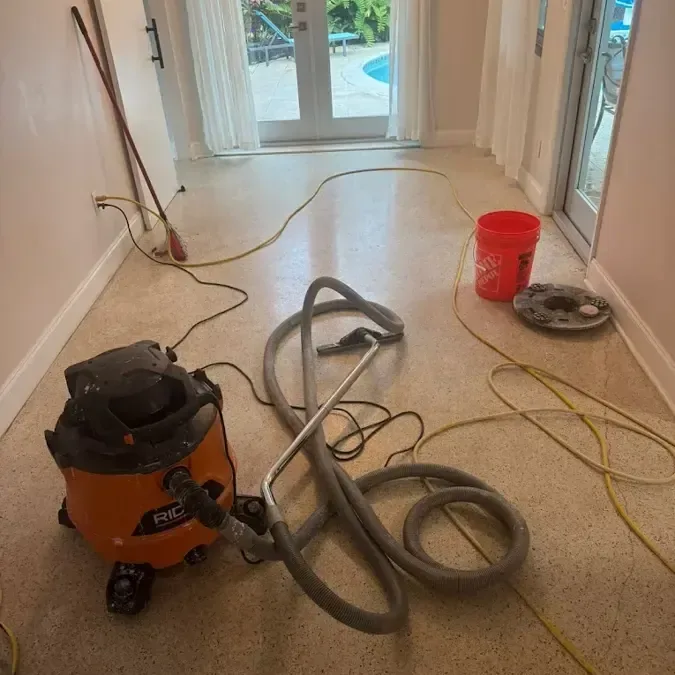
Water Extraction and Removal
Truck-mounted and portable units pull water out of carpet, pad and tile before it soaks the slab and wall bottoms.
See the service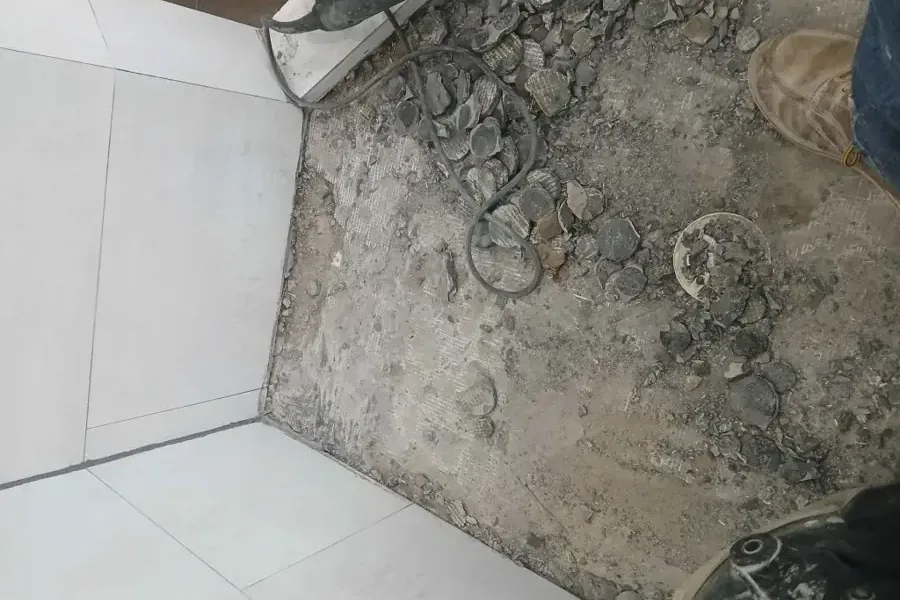
Slab Leak Water Damage
Pinhole leaks in copper pipes under the floor, wet flooring lifted where meters say and the concrete dried.
See the service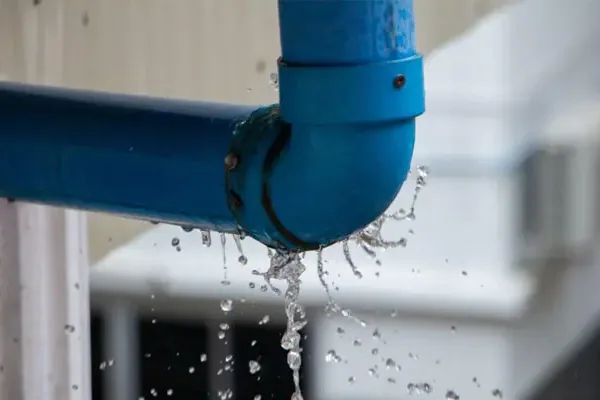
Burst Pipe Water Damage
Split fittings, failed angle stops and high-pressure breaks extracted and the wall cavities dried.
See the service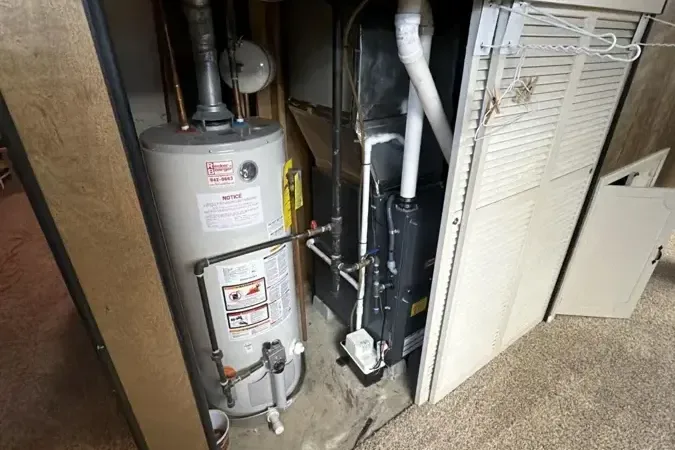
Water Heater Leak Cleanup
Garage and hall-closet tank failures cleaned up before water runs under the wall into living space.
See the service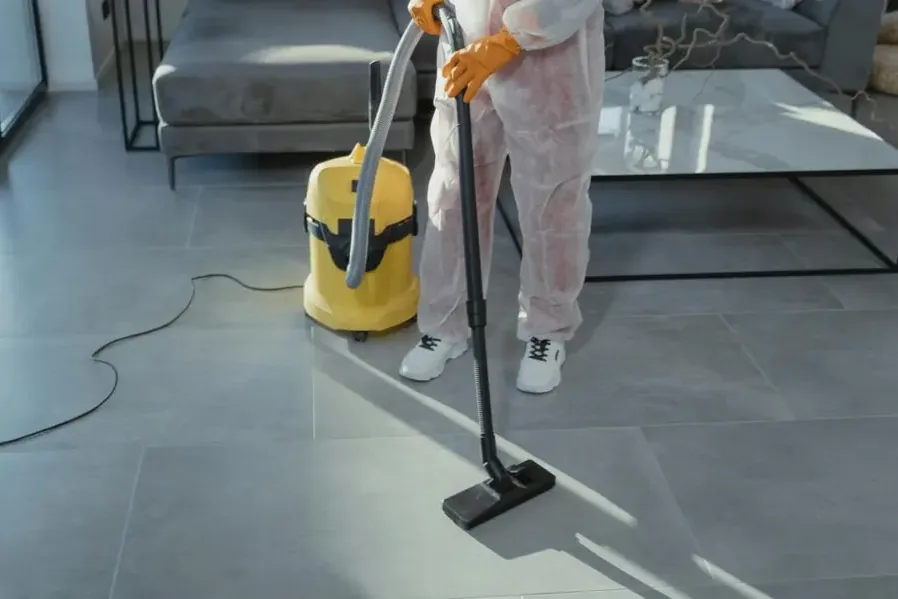
Sewage Backup Cleanup
Shower, tub and toilet backups from choked laterals contained as Category 3 and cleaned to the standard.
See the service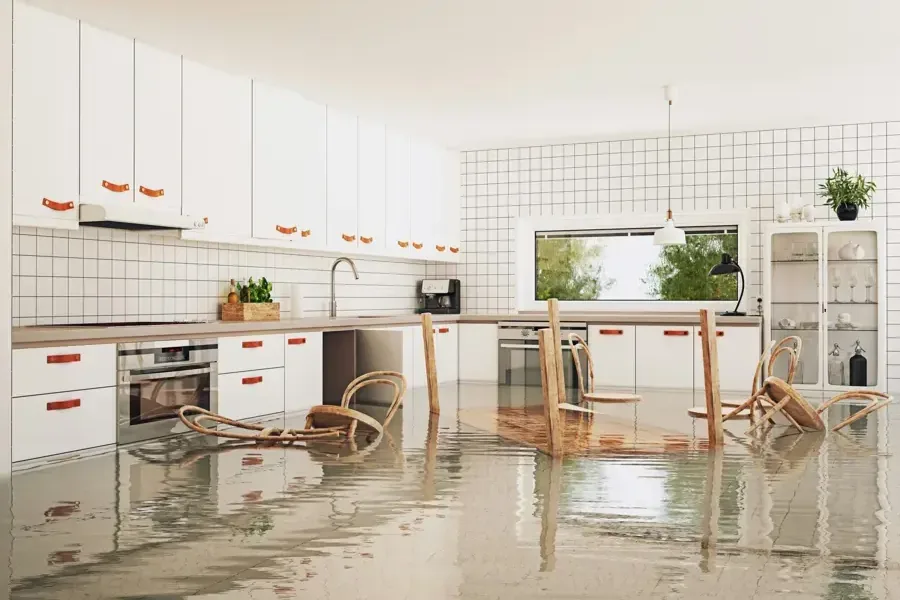
Storm and Flash Flood Cleanup
Winter storm water under patio doors and into garages handled as contaminated and dried out.
See the service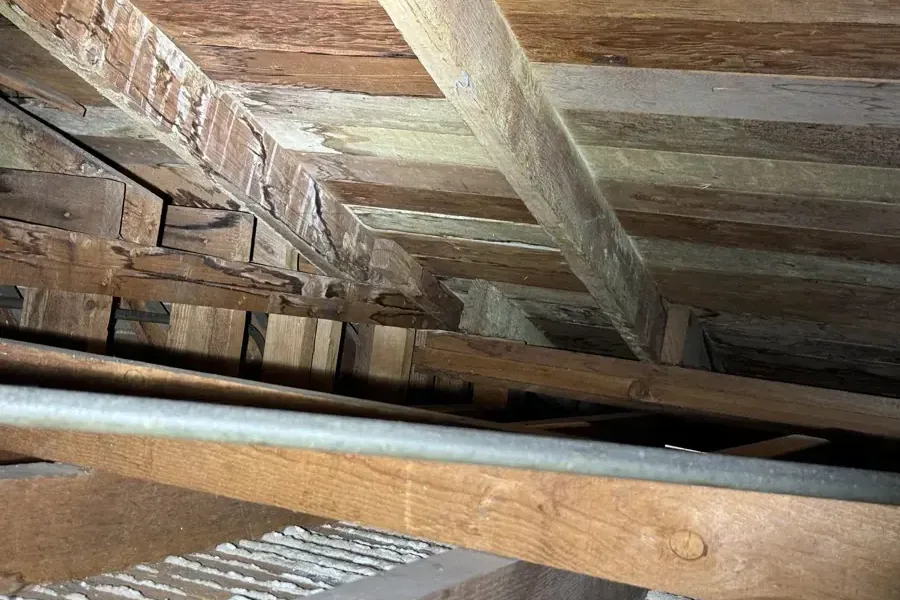
Roof Leak Water Damage
First-storm leaks at cracked tile and worn flashing, wet attic insulation pulled, ceilings dried.
See the service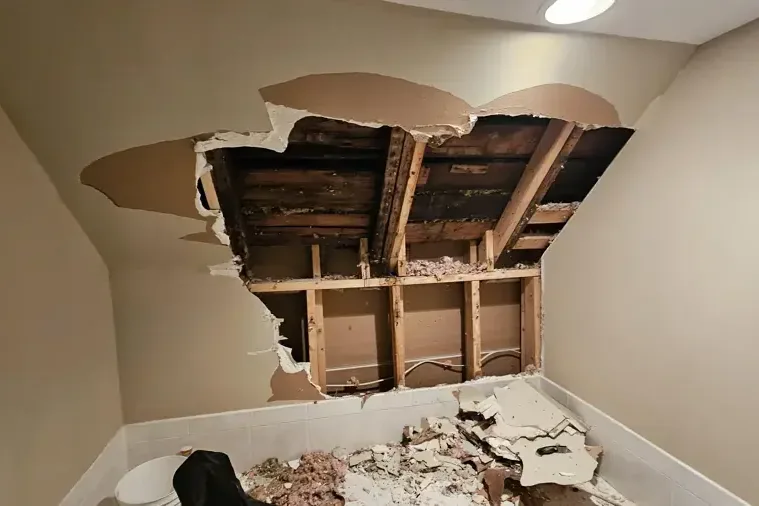
Ceiling Leak Water Damage
Upstairs bath and supply leaks traced, textured ceilings checked before cutting, joist bays dried.
See the service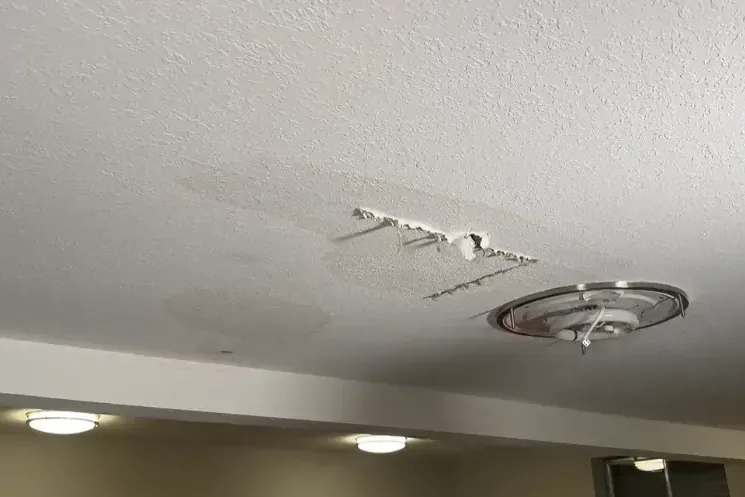
AC and Condensate Leak Cleanup
Clogged condensate drains and rusted pans in attic and closet air handlers, ceilings and floors dried.
See the service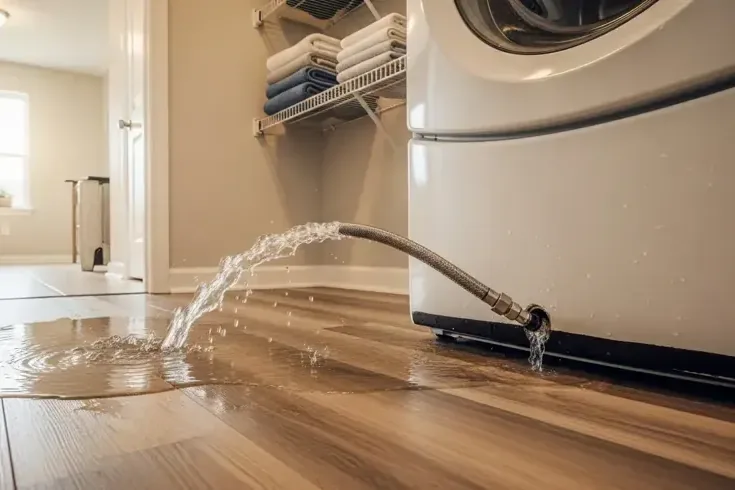
Appliance and Supply Hose Leak Cleanup
Washer hoses, dishwasher and ice maker tubing and toilet supplies extracted, cabinets and flooring dried.
See the service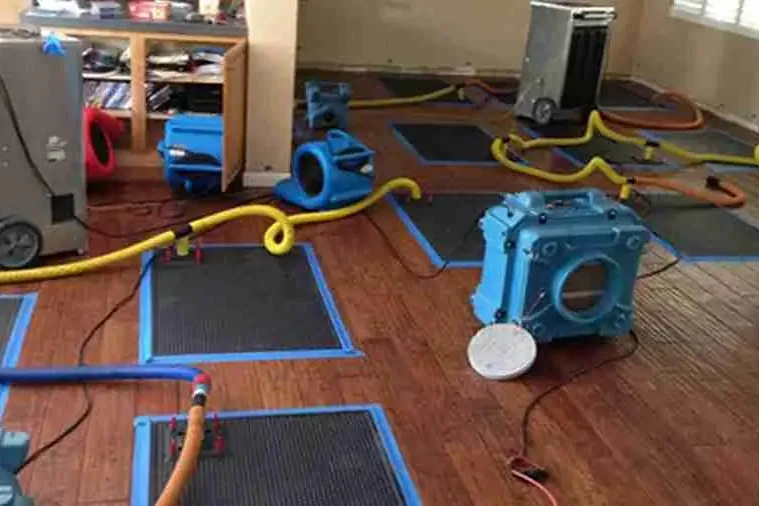
Structural Drying and Dehumidification
Slab, framing, drywall and hardwood dried to within 2 to 4 points of a dry reference.
See the service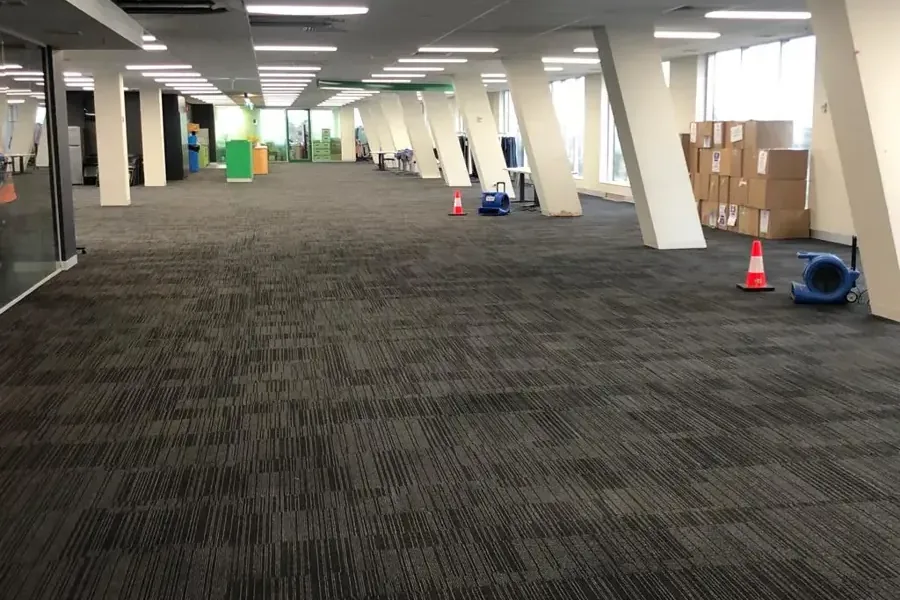
Commercial Water Damage
Offices, shops and apartment buildings dried in phases so doors can stay open.
See the serviceAll water damage categories covered in Cypress, CA
Category 1: clean water
A slab leak, a split supply pipe or a failed water heater. Caught early, most of it dries in place.
Slab leak water damageCategory 2: gray water
Washer and dishwasher discharge, an AC drain overflow or clean water that sat too long. Pad comes out and surfaces get antimicrobial.
Appliance and supply hose leaksCategory 3: black water
Sewage from a backed-up lateral and storm water from outside. Porous materials it touched are removed, not dried.
Sewage backup cleanupWhat to do while the water is still moving
- I
Close the main valve
In most slab homes the house shutoff sits outside where the water pipe enters, often beside a front hose bib. Turn it clockwise until it stops.
- II
Kill power to wet areas
If water reaches outlets, a floor-level power strip or the garage panel, switch off the breaker only from a dry spot. Otherwise stay out.
- III
Shut down a leaking tank
Close the cold supply valve on top of the water heater and turn the gas valve or breaker to off. Water near the tank can be scalding.
- IV
Stop using the drains
If sewage is coming up a shower or toilet, no flushing, laundry or dishwasher until the lateral is cleared.
- V
Photograph before moving anything
Wide shots and close-ups of every wet room, the source and damaged belongings, with the timestamp on.
What does water damage restoration cost in Cypress, CA?
Water damage restoration here typically runs $1,200 to $5,500 for a contained clean-water loss, while slab leaks that spread under flooring, sewage backups and storm water often run $5,000 to $25,000 or more.
| Job size | Typical range | What it covers |
|---|---|---|
| Small clean-water leak | $1,200 to $3,500 |
|
| Several rooms or a slab leak | $3,500 to $11,000 |
|
| Sewage or storm water | $8,000 to $25,000+ |
|
These are typical ranges, not quotes. The drivers are the category of water, square footage, material class and how fast drying started. Try the water damage cost calculator for a closer range.
Water damage dried to the IICRC S500 standard
A finished dry-out and a cosmetic one look the same on day two. The difference is in the readings: IICRC S500 is the industry drying standard, and the drying team keeps equipment running until wet materials read within 2 to 4 points of a dry reference in the same house.
- I
Moisture mapping first
The tech who does the walkthrough maps wet materials with pinless meters and thermal imaging before any equipment goes down.
- II
Extraction
Truck-mounted extraction pulls water out of carpet and pad, because one pass removes far more than days of evaporation.
- III
Air movers and dehumidifiers
Air movers are set to the room's evaporation load, and LGR dehumidifiers pull that moisture out of the air. Slabs and hardwood get drying mats or desiccants.
- IV
Readings until dry
The drying team logs readings on every visit and pulls equipment only when the numbers match the dry reference.
Documentation for your insurance claim
An adjuster decides a water claim on the file. A complete file shows what got wet, how wet it was and how it was dried.
- The moisture map from the first visit, showing every wet material
- Daily psychrometric logs with temperature, humidity and material readings
- Timestamped photos taken before any drywall, flooring or cabinets come out
- The water category and class of loss, recorded at the start
- A line-item scope in the Xactimate-style format adjusters use
Check your own policy
A sudden pipe or water heater failure is usually treated differently from flooding, a slow leak or a sewer backup. Flood is typically a separate policy, backup often needs an endorsement, and some policies limit the cost of reaching a pipe under the slab.
Coverage depends on your policy, so check with your own insurer. The restoration file supports the claim either way.
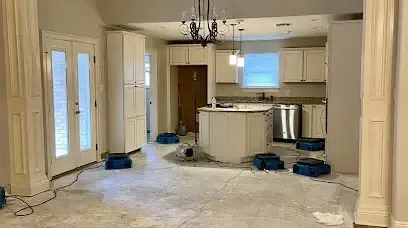
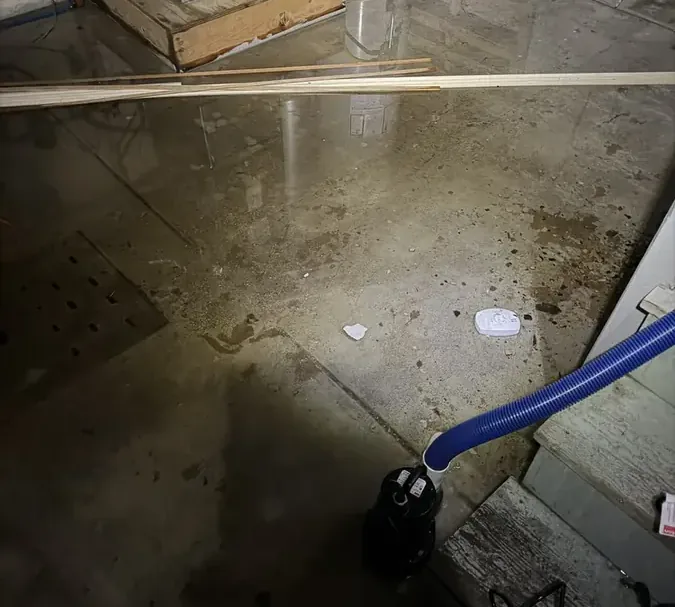
What a water damage dry-out looks like in Cypress
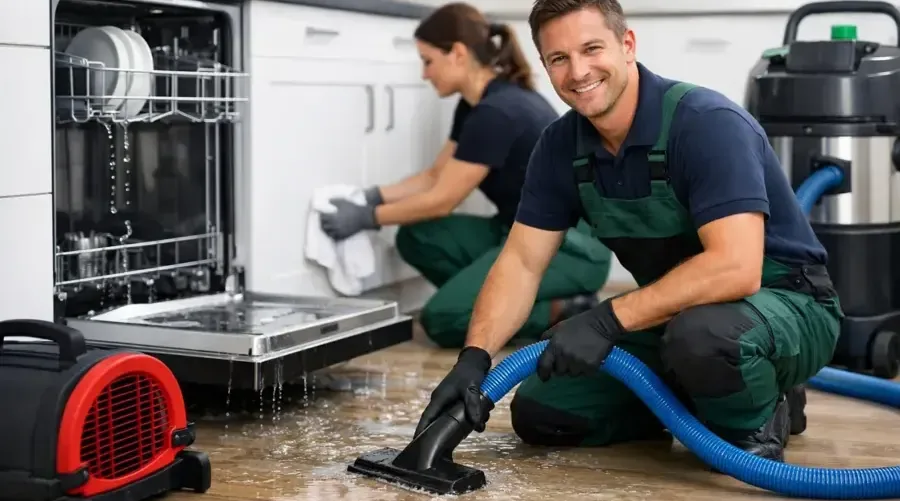
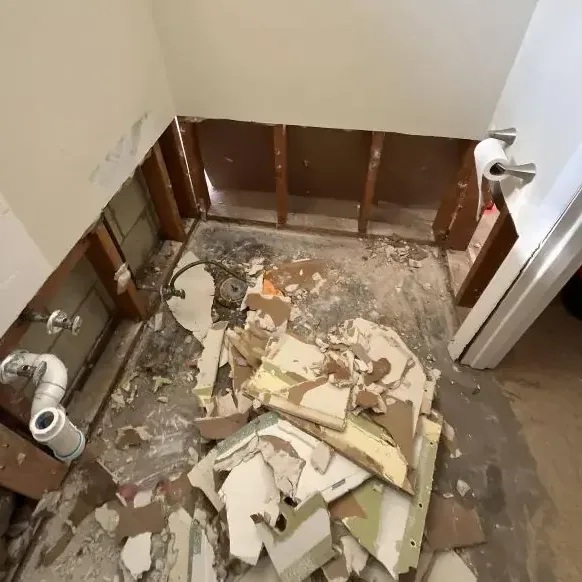
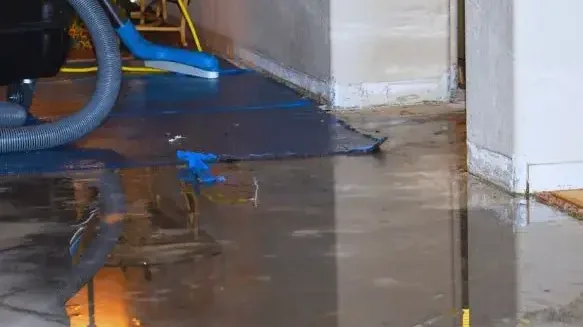
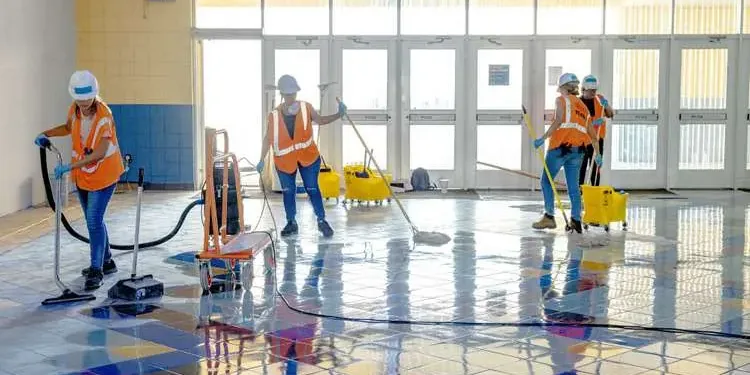
Water damage restoration across Cypress and north Orange County
Corridors and neighborhoods
ZIP code
Neighboring cities
One call reaches Cypress water damage pros, 24/7
Local water damage experts respond around the clock for slab leaks, burst pipes, water heater failures and sewage backups.
The response team covers every neighborhood in the city and the surrounding cities at any hour.
Cypress, CA · [email protected]
Water damage in Cypress, CA: the local risk profile
The area's early nickname was Waterville, for its artesian wells. Dairy farms gave way to tract homes in the 1960s and 1970s, and the median house here dates to 1971. Most sit on concrete slabs with the water pipes under the floor.

Winter storms, 2023 and 2024. Atmospheric river storms soaked Southern California in both winters. On flat ground like this, runoff has to reach the Carbon Creek, Coyote Creek and Moody Creek channels through street drains, and water that backs up finds patio doors, garages and low thresholds first.
- Copper under the slab: pinhole leaks in older pipes, often on the hot side, show up as warm or damp floors.
- Garage and closet water heaters: sediment builds in the tank over the years, and a failed tank sends water under the wall into the house.
- Attic air handlers: a clogged condensate drain overflows the pan and shows up as a ceiling stain in summer.
- Clay sewer laterals: roots from mature trees choke older pipes and push sewage up the lowest drain.
- Flat ground, sudden rain: most of the year's rain falls from November to March, often in a few heavy storms.
Water damage questions from local homeowners
How fast does someone respond to water damage here?
Dispatch runs 24/7, and active water is treated as urgent at any hour, weekends and holidays included. Extraction and drying usually start on the first visit.
What should I do first when water is coming in?
Close the main valve, cut power to wet areas only from a dry spot, stop using the drains if sewage is coming up, and photograph everything before moving it.
How do I know if I have a slab leak?
Warm spots on the floor, the sound of running water with everything off, a meter that keeps moving and a jump in the water bill are the classic signs. The slab leak warning sign check scores them in a minute.
Who fixes the pipe, and who dries the house?
A plumber locates and repairs the leak or reroutes the pipe. The restoration team handles extraction, drying and the claim documentation, and the two trades often overlap on the first visit.
How long does drying take?
A contained Class 1 loss usually dries in three to five days. Wet slabs, hardwood and walls soaked high take longer, and equipment stays until readings say dry. The drying time estimator gives a typical window.
What is IICRC S500?
It is the industry standard for water damage restoration. It sets how water is categorized, how drying is planned and how dry is measured: wet materials must read within 2 to 4 points of a dry reference.
What is the difference between mitigation and repair?
Mitigation stops the damage: extraction, removing what cannot be saved and drying the structure. Repair puts the home back together afterward with new drywall, flooring and paint.
When does wet drywall have to come out?
When readings show it will not dry in place, when it touched Category 3 water, or when it has swollen or crumbled. A flood cut a little above the wet mark lets the cavity behind it dry.
Why is a sewage backup treated so differently?
Sewage is Category 3 water from the moment it appears. Porous materials it touched, such as carpet, pad and drywall, are removed rather than dried, and the area is contained and treated with an EPA-registered antimicrobial.
How soon can mold start after a leak?
Mold can start growing within 24 to 48 hours on wet materials, which is why extraction and drying start right away instead of waiting for the floor to air out.
How is the cost figured?
By the category of water, the square footage that got wet, the material class and how fast drying started. The cost calculator shows a typical range.
Water damage in Cypress right now?
The restoration team extracts the water, dries the structure to the IICRC S500 standard and builds the claim file, 24/7 across the city and the neighboring cities of north Orange County.
(888) 563-9619Call before it reaches the next room