Water Damage Restoration Cerritos, CA
24/7 water damage restoration in Cerritos, where the restoration team pulls standing water, opens wet walls and floors, dries the structure with measured equipment and logs every reading for the insurance claim.
(888) 563-9619Speak with a local drying crewServing ZIP 90703 along Bloomfield Avenue, Studebaker Road, Pioneer Boulevard and Artesia Boulevard.
Done means dry readings within 2 to 4 points of an unaffected reference
Why Cerritos homes need a plan, not a guess
Single-family houses make up 13,419 of the 16,204 housing units here, and most were built in the 1960s and 1970s. Water that escapes a pipe or roof runs through bedrooms, garages and hallways before anyone notices, while shared buildings add neighbors below and beside. Owners occupy most homes, so repair decisions usually rest with one household.
Round-the-clock crews
Leaks and floods do not keep office hours, so crews take calls through nights, weekends and holidays.
Measured drying
Every job follows psychrometric targets rather than touch, with equipment counts set by the wet materials and room size.
Claim-ready records
Photos, moisture maps and daily logs are organized so an adjuster can follow what was wet and how it dried.
Neighbor-aware work
In buildings of five or more units, the team checks adjoining walls and ceilings so a leak is not left hiding next door.
Services for every kind of water loss
Most homes in town are single-family houses, so supply pipes, water heaters, roofs, drains and appliances shape the list of losses below.
Water Extraction and Removal
Truck-mounted and portable pumps pull standing water from carpet, tile and laminate before moisture climbs into walls.
See the service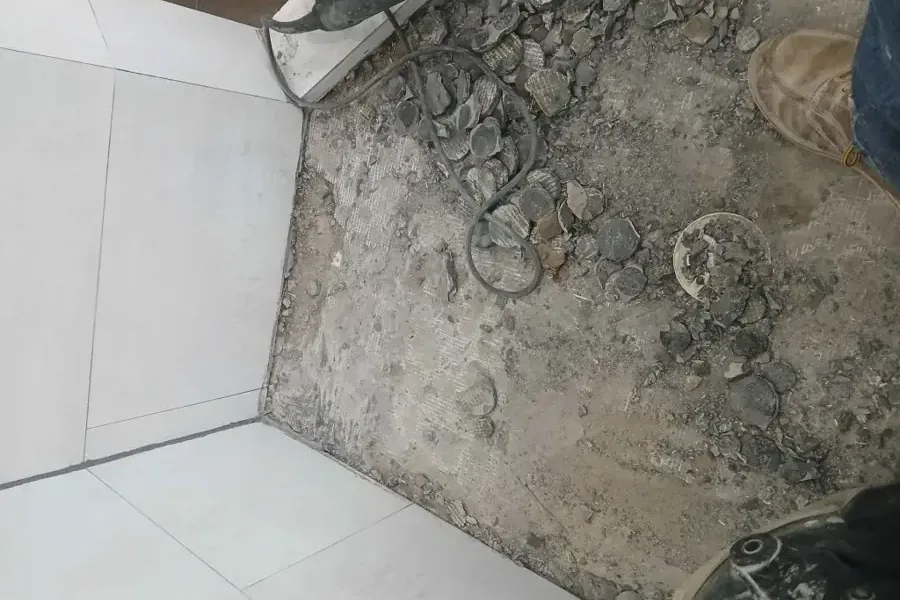
Slab Leak Water Damage
Water escaping beneath a concrete floor is mapped with meters, then wet flooring comes up and the slab is dried.
See the service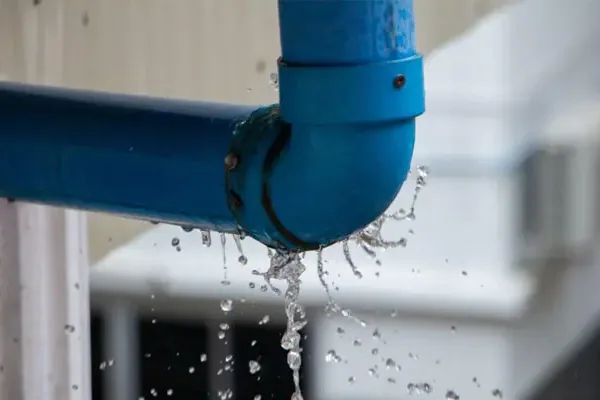
Burst Pipe Water Damage
A failed supply pipe can soak several rooms, so crews extract, open wet cavities and dry them out.
See the service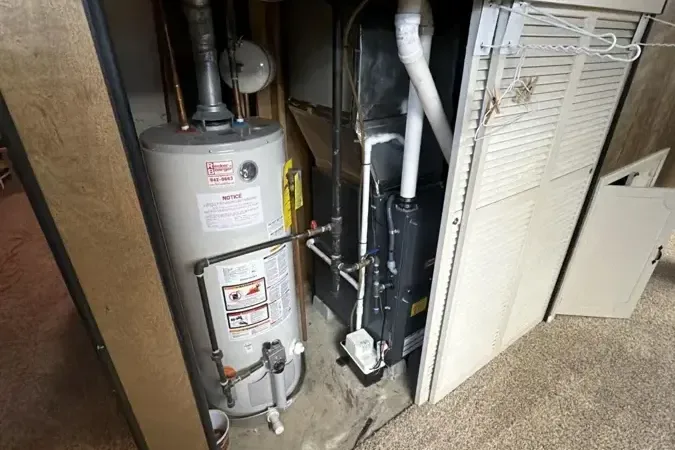
Water Heater Leak Cleanup
A leaking tank or fitting can send water across a garage, closet and hallway floors.
See the service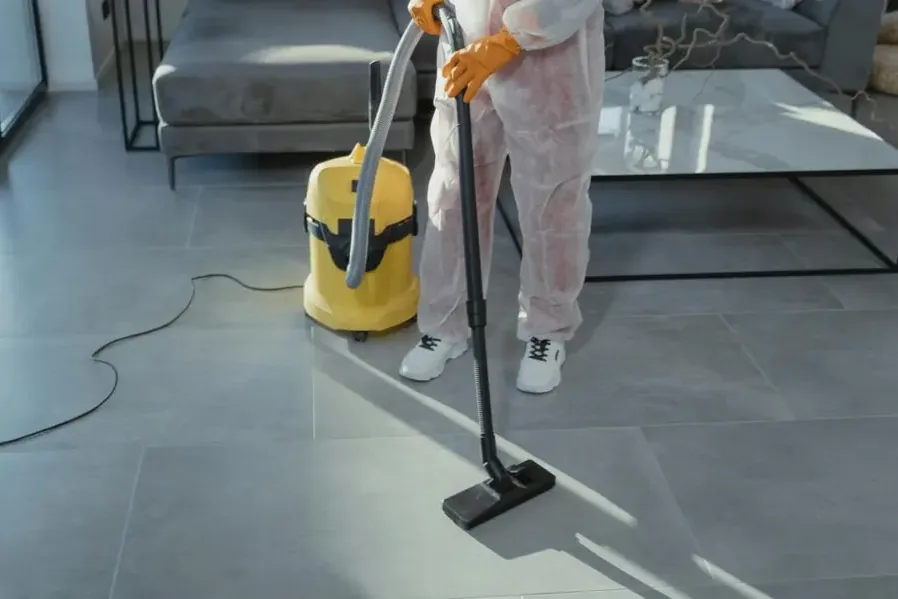
Sewage Backup Cleanup
Backed-up drains bring contaminated water indoors, so affected materials are contained, removed and treated with antimicrobial.
See the service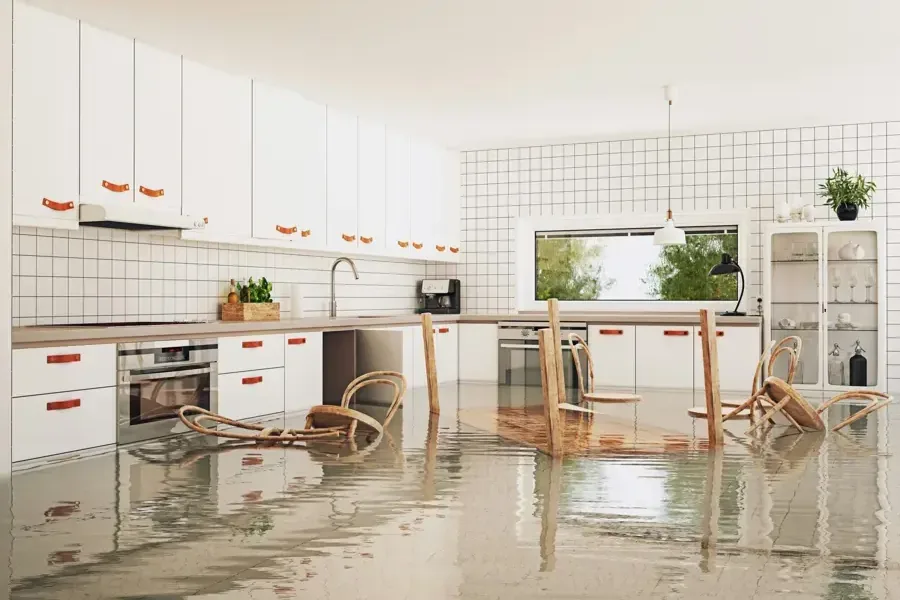
Storm and Flash Flood Cleanup
Rain that runs into a garage or doorway gets extracted, and soaked drywall and carpet are cut out.
See the service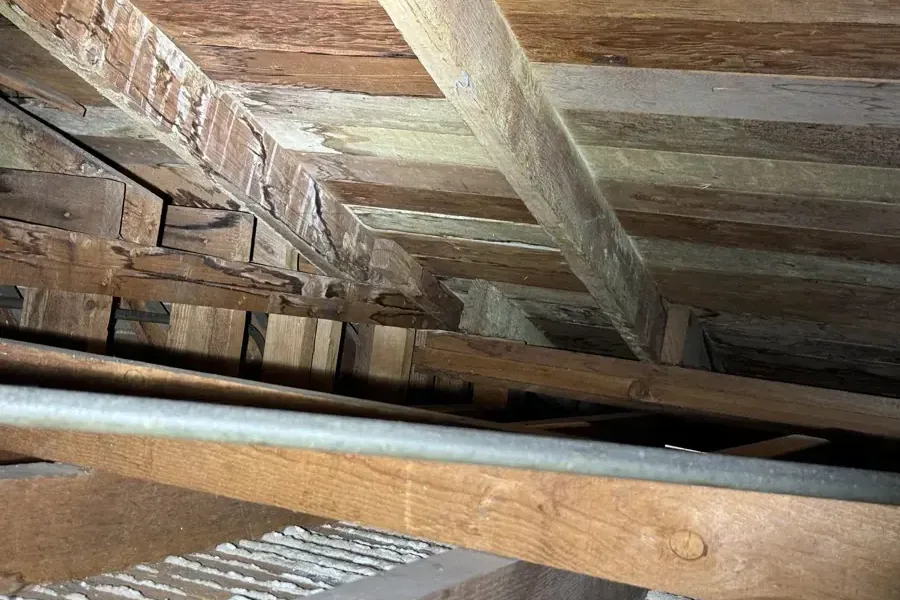
Roof Leak Water Damage
Winter rain finding its way through worn roofing wets attic insulation, ceilings and walls below.
See the service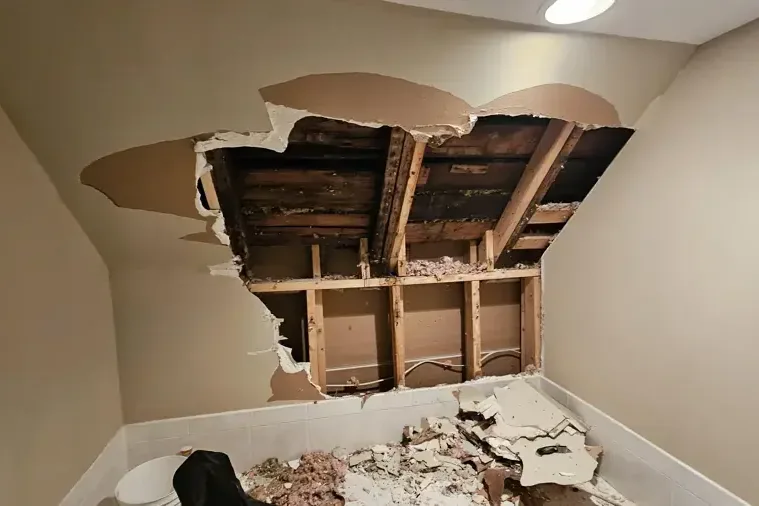
Ceiling Leak Water Damage
Stained or sagging ceilings are traced to the roof or a pipe above, then opened and dried.
See the service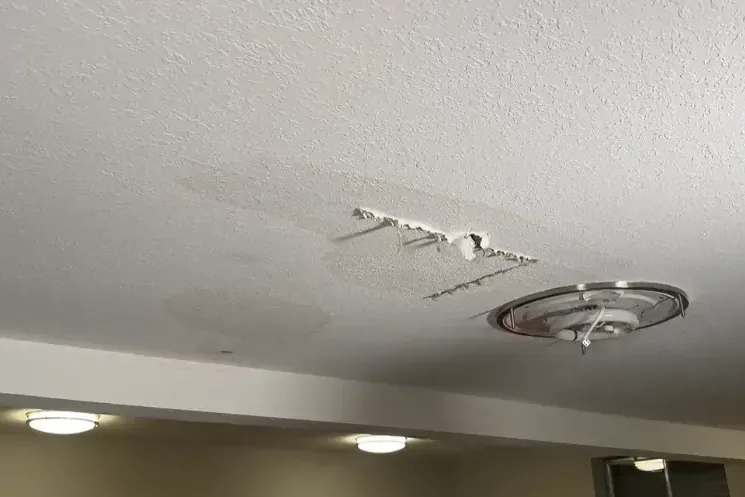
AC and Condensate Leak Cleanup
A clogged condensate drain can overflow into a ceiling, closet or hallway during the long cooling season.
See the service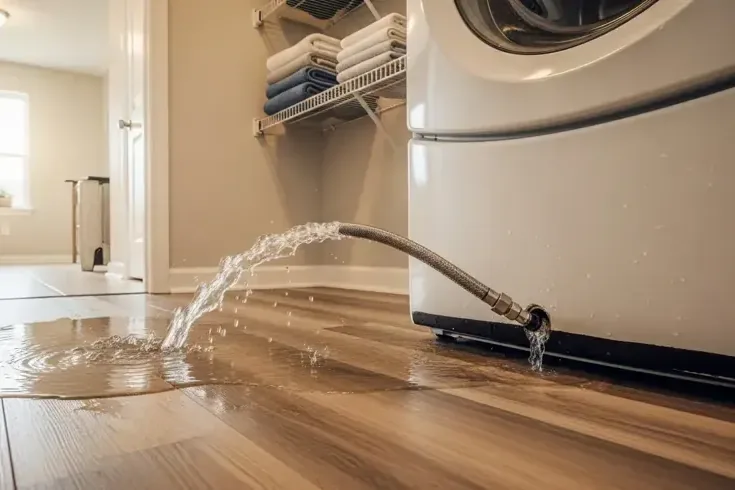
Appliance and Supply Hose Leak Cleanup
Washer hoses, dishwashers and refrigerator supply connections can leak unseen behind cabinets and under flooring.
See the service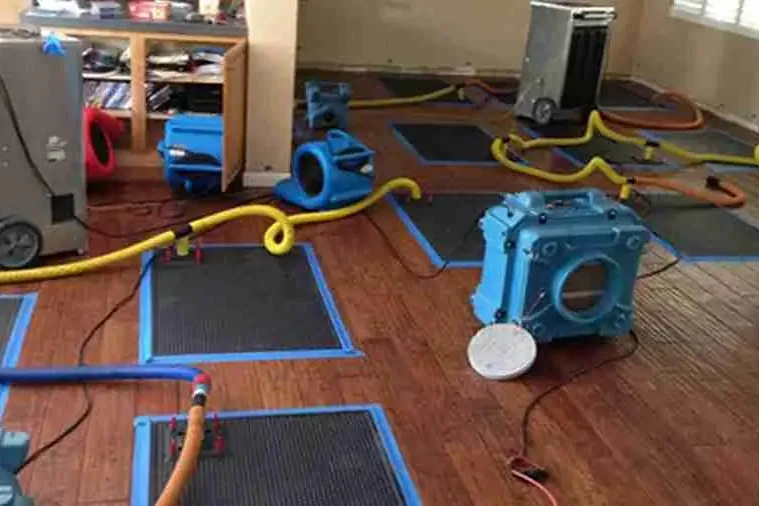
Structural Drying and Dehumidification
Air movers, dehumidifiers and mats bring wet framing, subfloors and slabs back to a dry reading.
See the service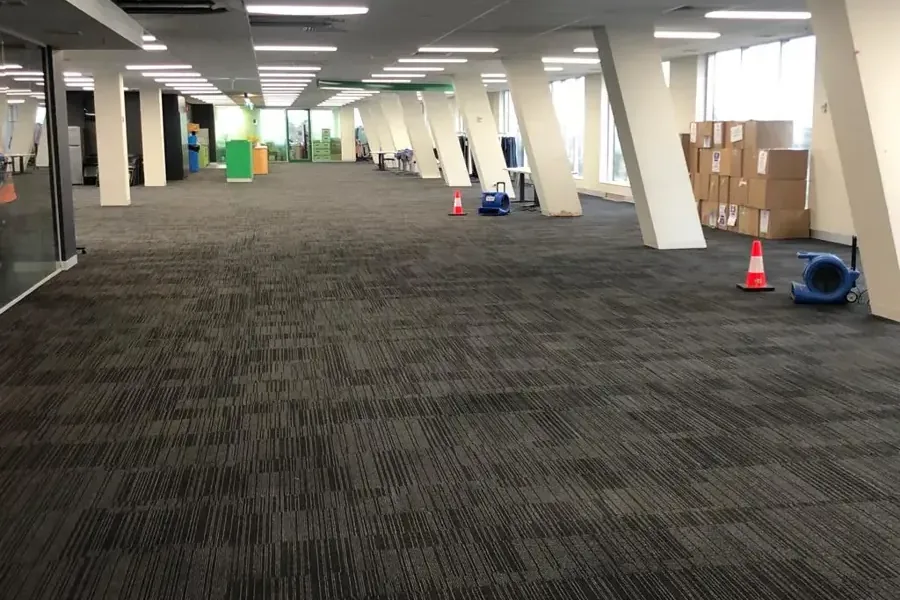
Commercial Water Damage
Shops, offices and multi-unit buildings get phased drying plans that keep tenants open where possible.
See the serviceThree water categories, three different jobs
Category 1, clean water
Supply pipes, tanks and hoses release clean water, though it degrades as it sits in carpet and framing, so drying cannot wait long.
Burst pipe cleanupCategory 2, gray water
Washing machines, dishwashers and overflowing fixtures put slightly contaminated water on floors, so porous materials often come out.
Appliance leak cleanupCategory 3, black water
Sewage and rising floodwater carry harmful microbes, so crews contain the area, remove affected materials and treat what remains.
Sewage backup cleanupFive steps while water is still spreading
- I
Stop the source
Close the main shutoff valve below the hose faucet at the front of the house, turning it clockwise, when a supply pipe is leaking.
- II
Cut power near water
Switch off breakers for wet rooms and stay away from outlets, cords and appliances standing in water, even when they look dry.
- III
Lift what you can
Move rugs, shoes, books and small furniture to dry ground, and leave heavy items for the crew to block.
- IV
Photograph everything
Take wide and close photos of the damage, the source and any wet belongings before anything is moved or thrown out.
- V
Keep sewage away
If water came from a drain or toilet, keep children and pets out of the room and touch nothing without gloves.
What cleanup usually costs after a leak or flood
A small clean-water leak usually costs $1,200 to $3,500 to dry out, while gray water and sewage jobs climb toward $25,000 or more as rooms, materials and contamination add up.
| Job size | Typical range | What it covers |
|---|---|---|
| Small clean-water leak | $1,200 to $3,500 |
|
| Several rooms or wet walls | $3,500 to $11,000 |
|
| Gray water or sewage | $8,000 to $25,000+ |
|
Figures are typical ranges, not a quote, because materials, square footage and drying time vary. The water damage cost calculator turns a rough room count into a closer estimate.
A dry-out is finished when the readings say so
Finished does not mean the surface feels dry to the touch. The drying team compares wall, subfloor and framing readings throughout the building against a dry reference from an unaffected area, and equipment stays running until the numbers match and the daily log shows it.
- I
Map the wet area
Meters and a thermal camera trace moisture through floors, wall bottoms and ceilings so nothing wet stays closed up.
- II
Extraction
Pumps and wands remove standing water first, because every gallon pulled out is a gallon the dehumidifiers never have to handle.
- III
Size the equipment
Air movers and dehumidifiers are matched to the room volume and the wet materials, then placed to push dry air across wet surfaces and through opened cavities.
- IV
Readings until dry
Technicians record moisture and humidity daily, adjust the setup, and pull equipment only after wet materials reach their dry targets.
What the claim file contains
Adjusters need to see what got wet, when it was measured and what was removed, so each job produces records that answer those questions in order.
- Dated photos of the source and each affected room
- Moisture readings for floors, walls and ceilings, recorded on each visit
- A sketch of affected areas with the equipment placed in each
- A list of materials removed, with the reason each had to go
- Final readings showing wet materials reached their dry targets
If you file it yourself
Photograph the damage, keep receipts for emergency work and save damaged items until the adjuster has seen them, because removal can look like disposal without a record.
Coverage depends on your policy, so check with your own insurer about what a burst pipe, sewage backup or storm leak qualifies for and what deductible applies.
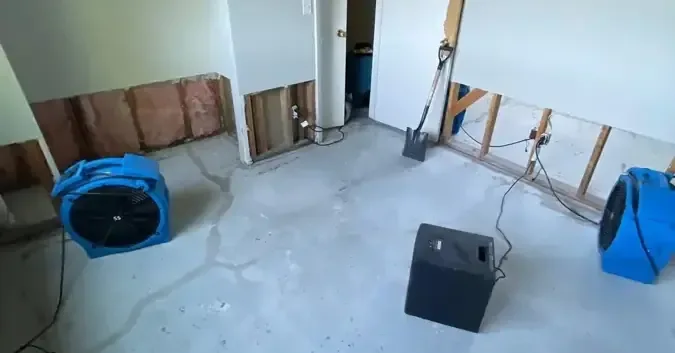
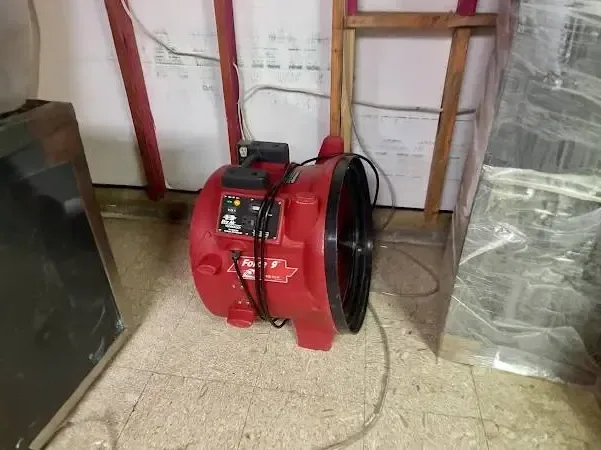
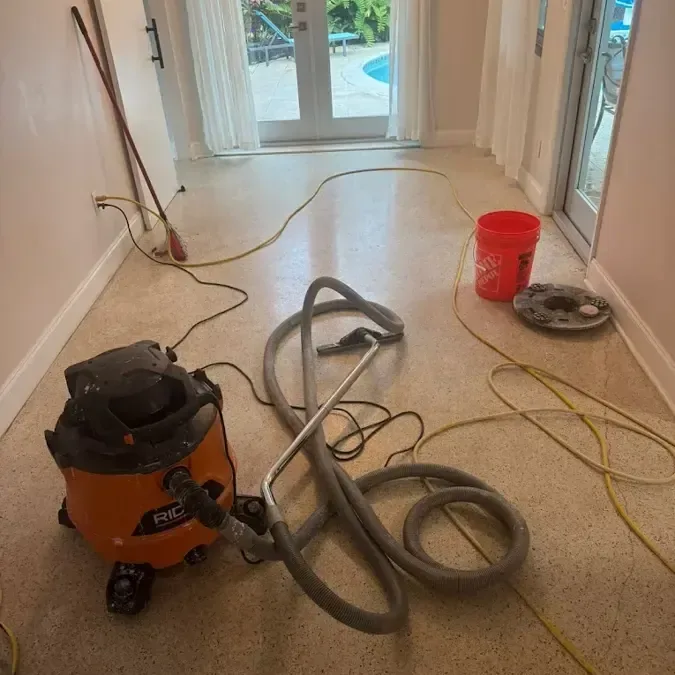
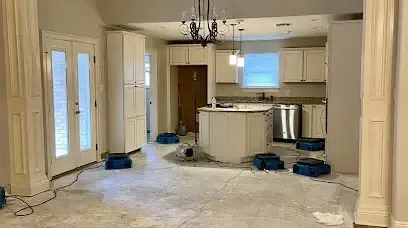
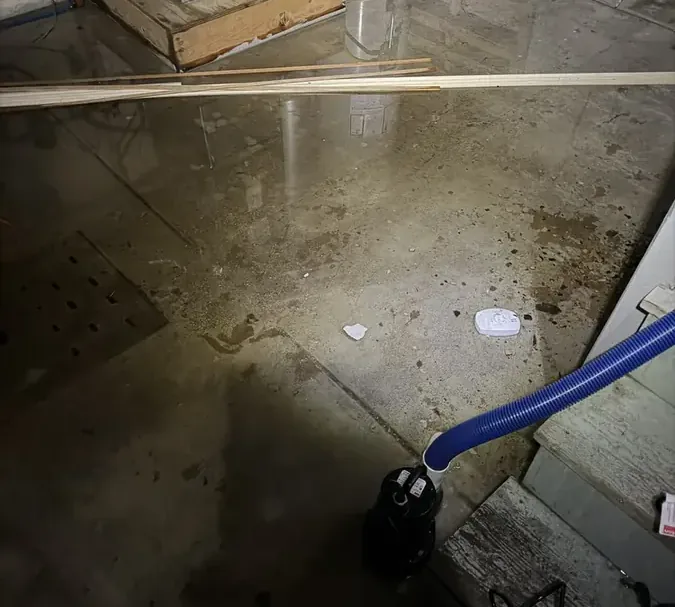
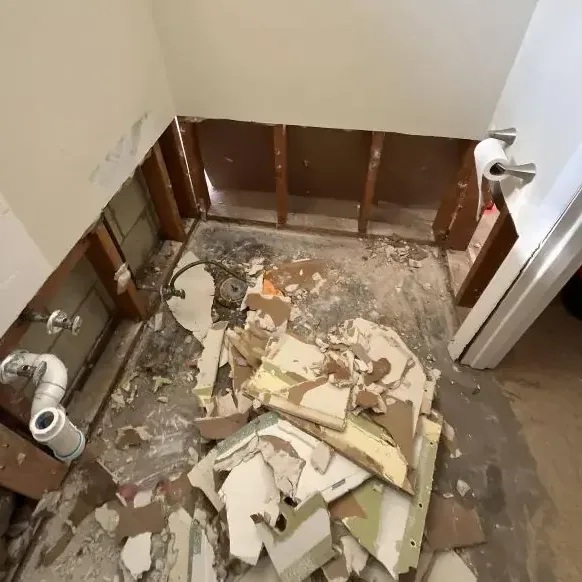
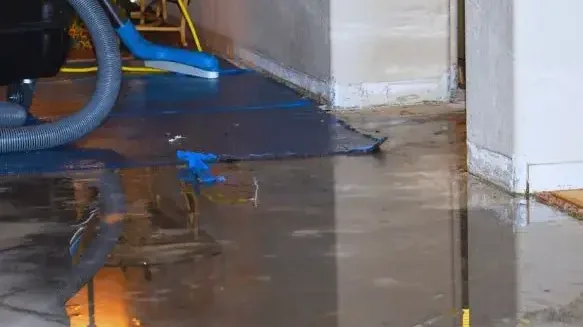
Equipment and cleanup scenes from restoration jobs


Areas and corridors the crews cover
Streets and corridors
ZIP code
Nearby cities
Water in the house? Start with one call
Calls about active leaks, sewage backups and storm intrusion are taken any hour of the day or night.
Describe the source, the rooms affected and whether the water is clean, gray or from a drain, and the plan starts there.
Cerritos, CA · [email protected]
What shapes water damage in Cerritos
The city was incorporated in 1956 as Dairy Valley and took its present name in 1967. It runs its own water utility and local sewer collection system, and says its water and sewer pipes are over 50 years old.

April 17, 2025 An emergency water main shutdown to repair a leaking pipe affected homes and businesses along and near Bloomfield Avenue between South Street and 195th Street, and the repair work ran into the early morning hours, showing how a single failed pipe can disrupt a whole stretch of buildings.
- Detached houses: They are most of the local housing, so a leak tends to reach a garage, hallway and bedrooms together.
- Mid-century homes: Most homes date to the 1960s and 1970s, so roofs, fittings and supply connections have had decades to wear.
- City pipes: The city says its water and sewer pipes are over 50 years old, and its plan includes sewer main replacement.
- Rainy winters: Rain falls mainly from November to March, 10 to 15 inches a year, and February is the wettest month, when roof leaks tend to surface.
- Shared buildings: 927 units sit in buildings of five or more units, where a leak can reach the neighbor below or beside.
Questions about water damage here
What does water damage restoration include?
Restoration means stopping the source, extracting standing water, removing materials that cannot dry, drying the structure with equipment and recording readings until wet areas reach their dry targets.
Should I shut off the water first?
Yes, when a supply pipe is the source. For most homes the main shutoff is the valve just below the hose faucet at the front, turned clockwise, and the city advises testing it periodically.
How long does drying usually take?
It depends on the materials, the amount of water and the humidity. Wet carpet can dry quickly, while hardwood, cabinets and framing take longer, and the daily readings decide when equipment comes out.
Does flood insurance matter in town?
The city's 2022 Hazard Mitigation Plan places it in FEMA Flood Zone X and notes no repetitive flood losses, and the city takes part in the National Flood Insurance Program. Whether a policy covers a particular loss is a question for your insurer.
What if the city shuts off water for a repair?
Emergency shutdowns for a leaking city pipe have affected homes and businesses along Bloomfield Avenue, as in April 2025. When service returns, check fixtures and appliances for slow leaks and call if water appears.
Is a sewage backup an emergency?
Yes. Sewage carries harmful microbes, so the area stays clear while the team handles sewage backup cleanup with containment, material removal and antimicrobial treatment. A plumber can then find the blockage, and the city operates the local sewer collection system.
Do roof leaks need drying after the rain stops?
Yes. Rain falls mainly from November to March, and water that soaks attic insulation or a ceiling keeps spreading after the storm ends, so the ceiling, wall cavities and insulation should be checked and dried.
Can a leak in an apartment building reach neighbors?
Yes. 927 units sit in buildings of five or more units, where water can pass through floors and shared walls. The team checks the units below and beside and documents each one for the adjuster.
Can an air conditioner leak soak a ceiling?
Yes. A clogged condensate drain can overflow into a closet, attic or ceiling during the long cooling season, and the wet insulation and drywall are removed or dried like any other clean-water loss.
What goes into a claim file?
Photos of the damage, the source and wet belongings come first. The crew adds moisture readings, equipment placement and a materials list, so the adjuster sees the timeline from first reading to dry.
Act on the water before it spreads
Water keeps moving into flooring, drywall and framing until someone stops it. An early call lets the drying team save more materials and build the claim record from the first reading.
(888) 563-9619Get a restoration plan started