Water Damage Restoration Artesia, CA
Round the clock water damage restoration in Artesia, from burst pipes and slab leaks to sewage backups, with extraction, drying equipment and moisture readings handled by one local crew.
(888) 563-9619Talk to a local drying crewZIP 90701, including Pioneer Boulevard, Little India, Clarkdale Avenue and the Arkansas Street area.
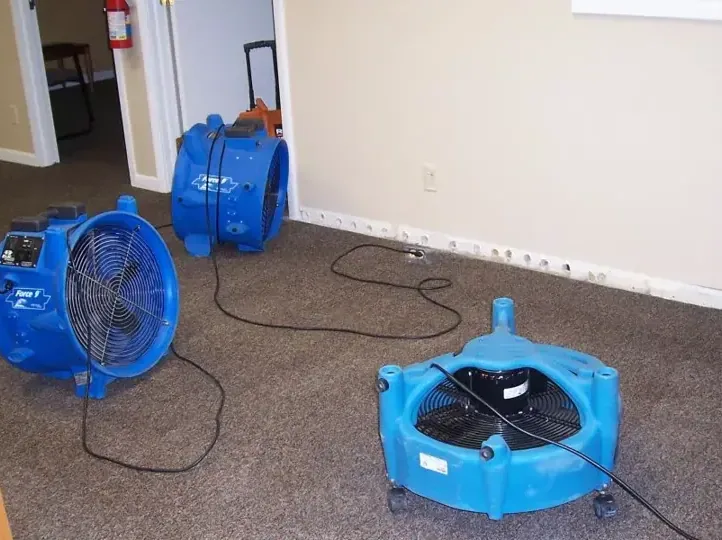
Done means dry readings within 2 to 4 points of an unaffected reference
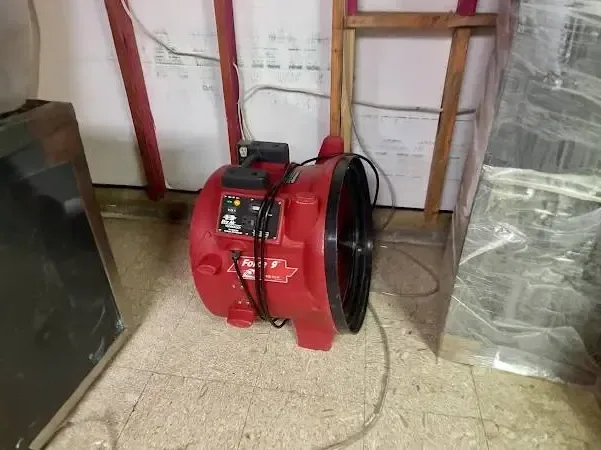
Water moves through homes built between 1950 and 1970
The housing element adopted in 2022 notes that most homes here were more than 50 years old by then. Older walls, subfloors and ceiling cavities hold moisture quietly, so water often travels well past the visible stain before anyone even notices, and about 4,600 households share that older housing stock.
Prompt local response
The crew starts stopping the spread of water as soon as the job is booked, with equipment loaded for the loss described.
Drying to a standard
Equipment stays until structural readings meet the dry target, never on a guessed schedule.
Claim-ready documentation
Moisture maps, dated photos and daily logs give an adjuster a clear record of the loss and the drying.
Older home know-how
Familiarity with postwar walls, subfloors and ceilings, and with owners and tenants sharing one loss.
Twelve water and sewage services, one crew
Because most homes date from 1950 to 1970, supply pipe failures, drain backups and appliance leaks tend to lead the work, followed by storefront losses along Pioneer Boulevard.
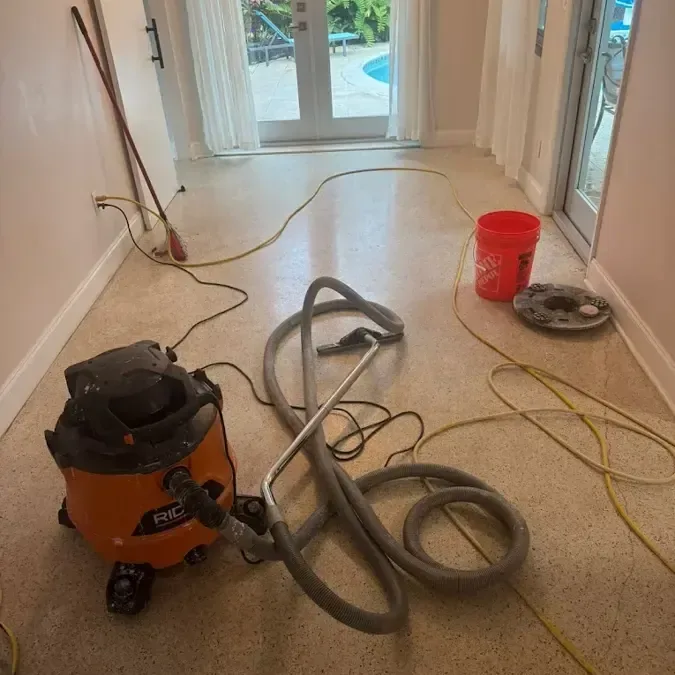
Water Extraction and Removal
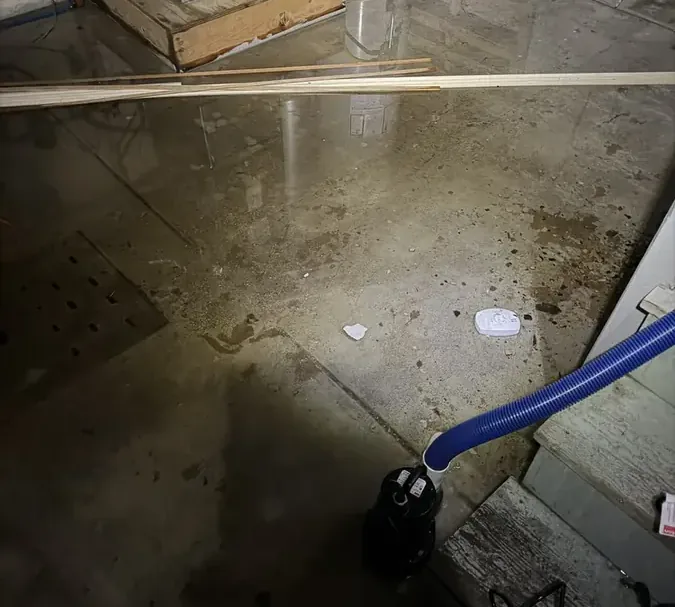
Truck-mounted and portable pumps lift standing water from floors and low spots before it soaks into pad and subfloors.
See the service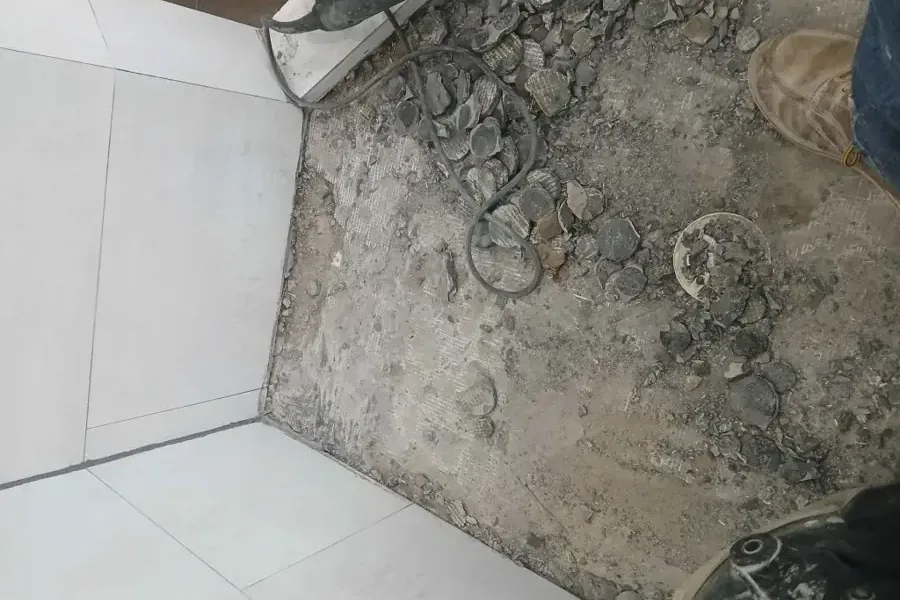
Slab Leak Water Damage
Warm floor spots or a running meter can signal a leak below, so floors are mapped and dried.
See the service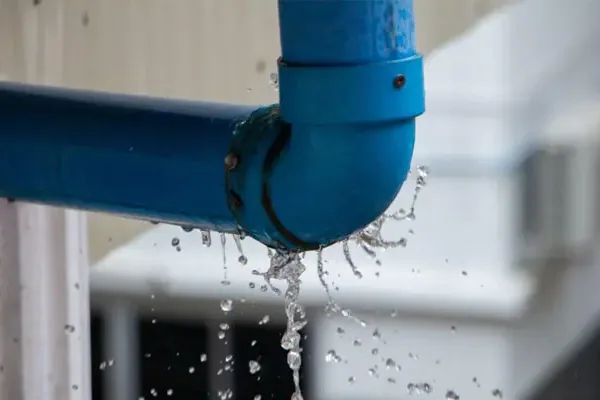
Burst Pipe Water Damage
A failed supply pipe floods fast, so shutoff, extraction and cavity drying come first.
See the service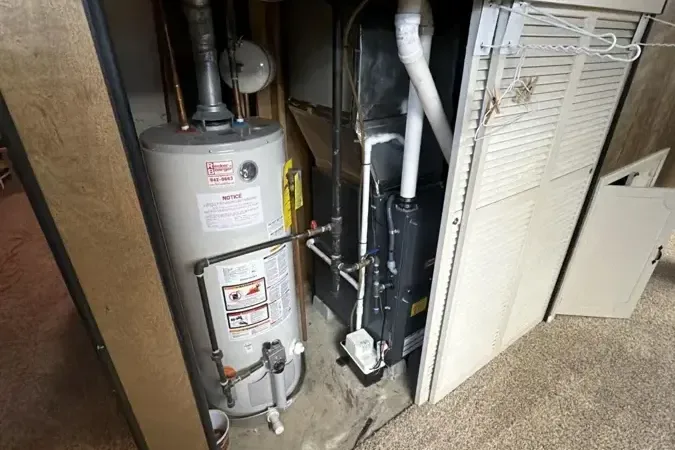
Water Heater Leak Cleanup
A leaking tank soaks garages, closets and hallways, so the spill is extracted and wall bottoms are dried.
See the service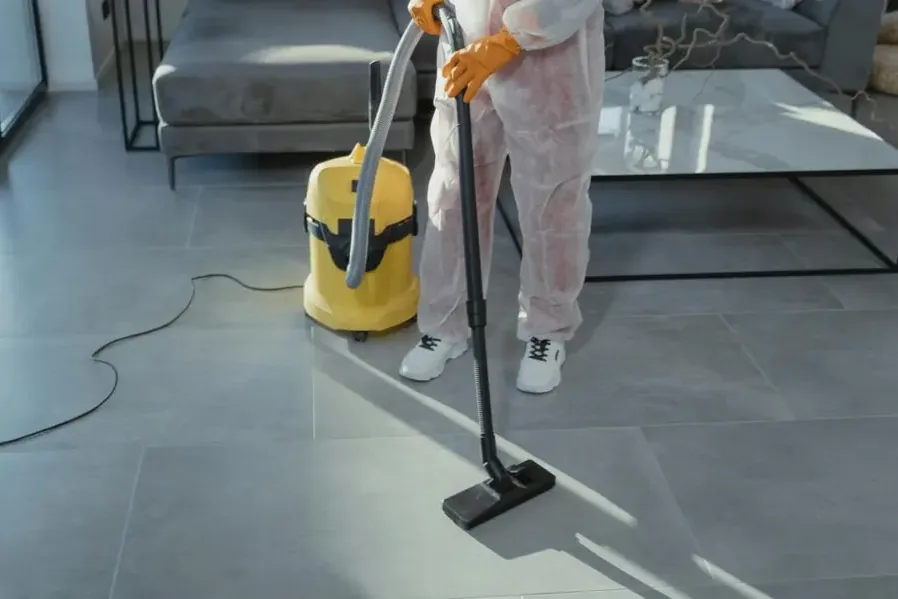
Sewage Backup Cleanup
Sewage cleanup covers containment, removal of porous materials and sanitizing; the sewer pipes themselves are a separate job.
See the service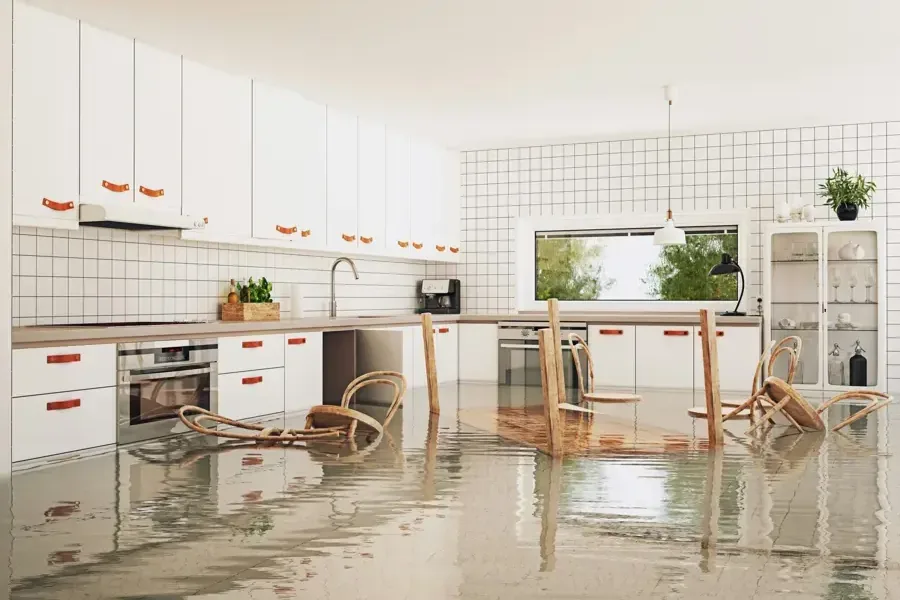
Storm and Flash Flood Cleanup
Storm water in a garage or kitchen means extraction, flood cuts, antimicrobial treatment and drying after heavy rain.
See the service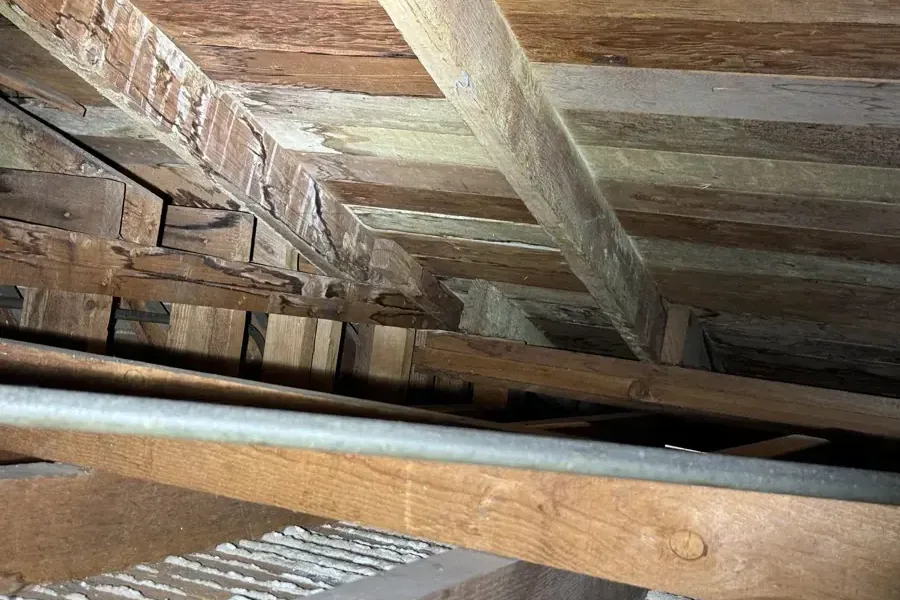
Roof Leak Water Damage
Rain that gets past the roof wets attics and ceilings; the stain is traced to the entry point and dried.
See the service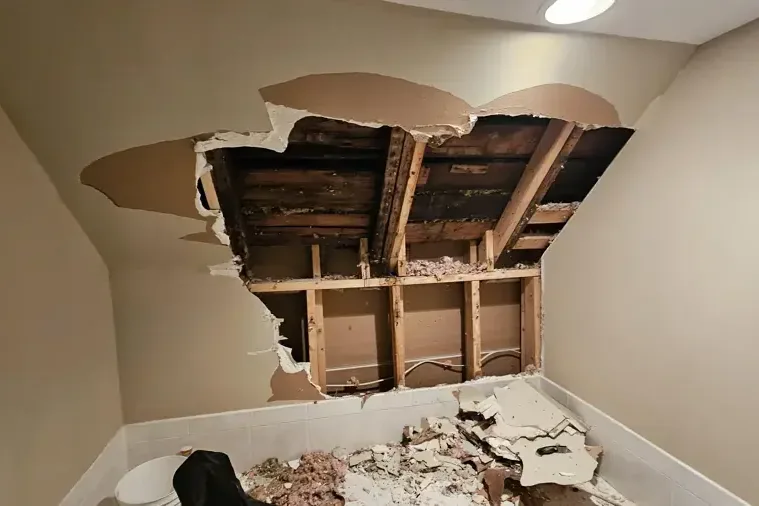
Ceiling Leak Water Damage
Ceiling leaks are traced to the source, opened where drywall holds water and dried above and below.
See the service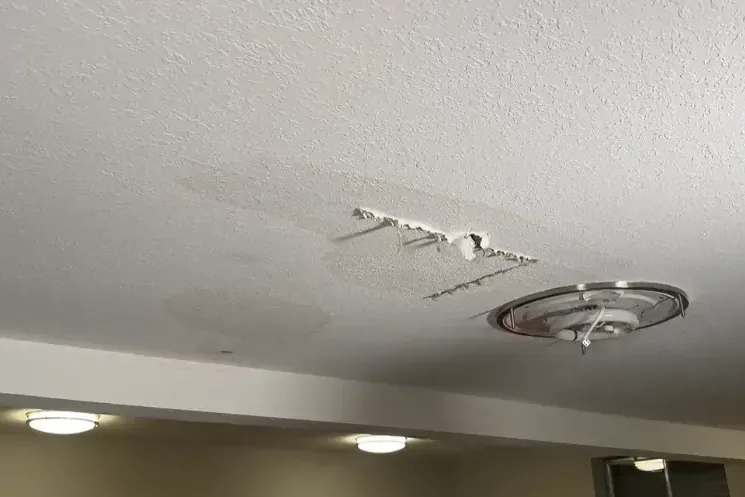
AC and Condensate Leak Cleanup
Clogged condensate drains and overflowing pans soak closets and ceilings, which are dried and checked.
See the service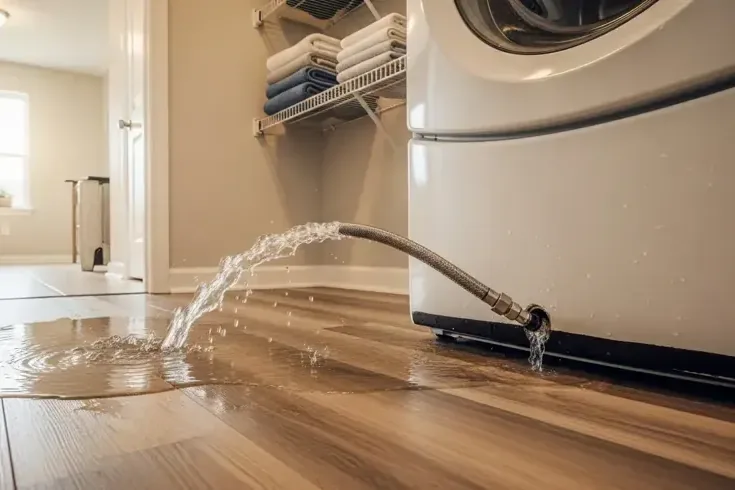
Appliance and Supply Hose Leak Cleanup
Washer, dishwasher and refrigerator leaks are stopped at the supply, then floors are extracted and dried.
See the service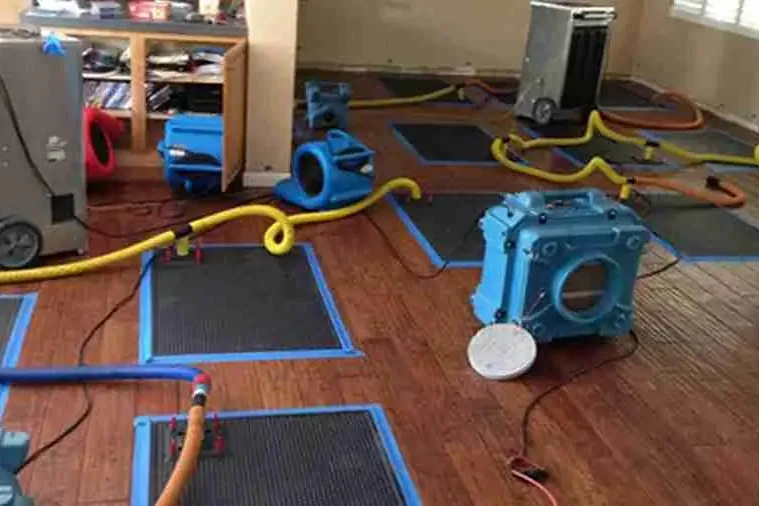
Structural Drying and Dehumidification
Air movers, LGR dehumidifiers and daily readings dry walls, subfloors and cavities until they reach dry targets.
See the service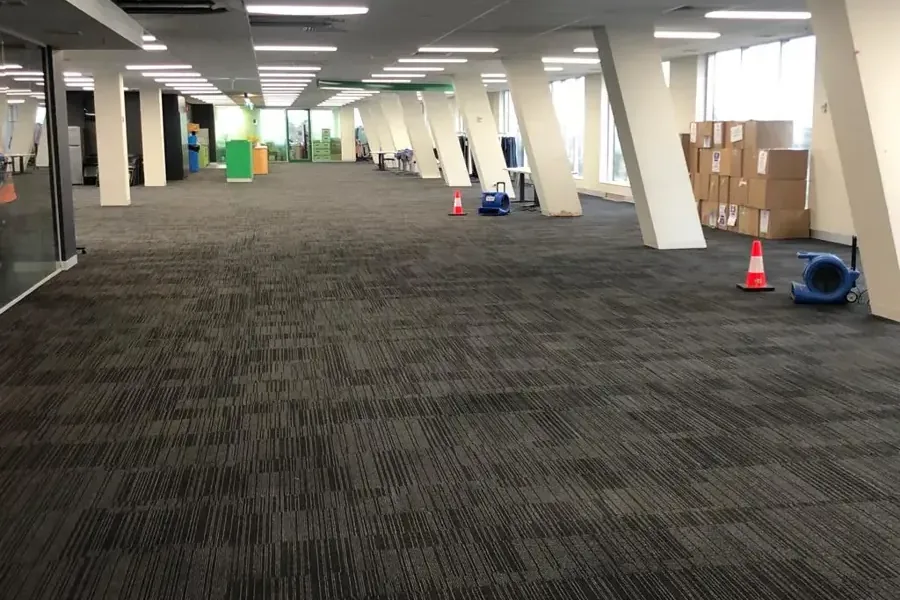
Commercial Water Damage
Storefronts and offices along Pioneer Boulevard get phased drying, after-hours crews and a claim file so business can resume.
See the serviceThree water categories decide the cleanup plan
Category 1: clean water
Broken supply pipes and failed water heaters start clean but turn gray if the materials stay wet for long.
Burst pipe cleanupCategory 2: gray water
Washer, dishwasher and sink overflows carry contamination, so soaked porous materials are removed instead of dried.
Appliance leak cleanupCategory 3: black water
Sewage and surface water carry pathogens, so containment, PPE and removal of porous materials come first.
Sewage backup cleanupWhat to do while the water is still moving
- I
Stop the source
Close the fixture valve or the main shutoff, and switch off power to wet rooms only if reaching the panel is dry and safe.
- II
Protect belongings
Lift furniture legs onto blocks, pull rugs, electronics and paper off wet floors, and keep walking on soaked carpet to a minimum.
- III
Photograph everything
Take wide and close photos of wet walls, floors and belongings before anything is moved, bagged or thrown out.
- IV
Brief the drying crew
Name the source, the rooms involved and whether sewage is present, so the right equipment is loaded for the loss.
- V
Notify your insurance carrier
Report the loss, ask what documentation is required and keep receipts for anything bought to limit the damage.
What water damage cleanup usually costs here
Most jobs run from $1,200 to $25,000 or more, depending on the water category, how many rooms are wet and how long materials stayed that way. Clean leaks caught early sit at the low end.
| Job size | Typical range | What it covers |
|---|---|---|
| Small leak, clean water | $1,200 to $3,500 |
|
| Several rooms affected | $3,500 to $11,000 |
|
| Gray or black water | $8,000 to $25,000+ |
|
These are typical ranges, not a quote, because every loss is measured on site. The cost calculator turns a few details about the damage into a rough number.
A dry-out ends when readings match dry targets
A floor that feels dry to the hand is not finished. Drying stops only when moisture readings in drywall, wood and subfloor return to the dry standard set from unaffected parts of the same home, and the logs prove it day by day.
- I
Map the wet area
Moisture meters and a thermal camera trace water through floors, walls and ceilings, so the plan covers what the eye cannot see.
- II
Extraction
Truck-mounted and portable units pull out standing water, and soaked pad or wet insulation comes out so it stops feeding the structure.
- III
Place the equipment
Air movers, LGR dehumidifiers and, where needed, desiccant units go in by room size and material, with wall cavities opened to airflow.
- IV
Readings until dry
Daily moisture and humidity readings are logged, equipment is adjusted, and nothing is pulled until the structure meets the standard.
Documentation for an insurance claim
Every job leaves a paper trail an adjuster can follow, from the first moisture map to the final dry readings on the last visit.
- Moisture map with readings from each wet area and every room
- Dated photos taken before, during and after the drying work
- Equipment counts and placement logged at each monitoring visit
- Daily psychrometric readings showing how drying is progressing
- Itemized scope of removed materials and cleanup work performed
Filing the claim yourself
Photograph everything, keep receipts and save damaged items until the adjuster has seen them, since a clear and dated record speeds up the conversation with the carrier.
Coverage depends on the cause of the loss and on your own policy, so check the details with your own insurer before assuming that anything is or is not covered.
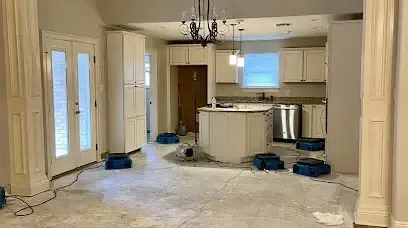
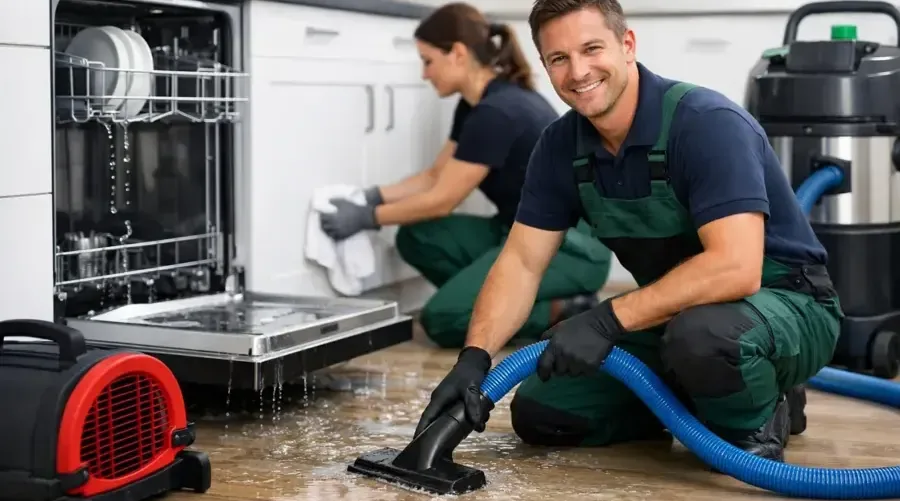
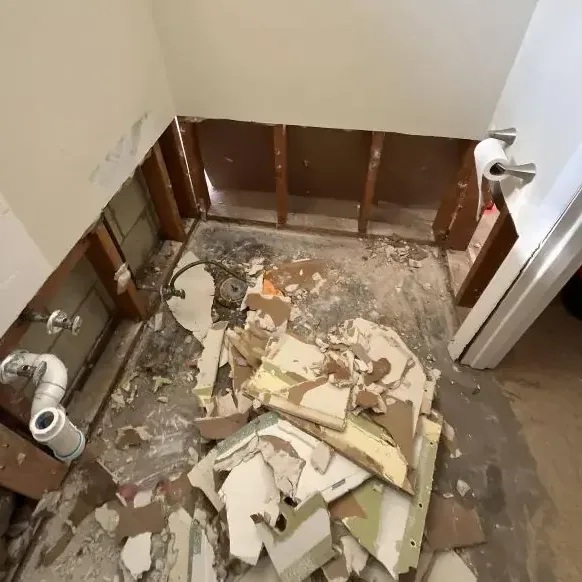
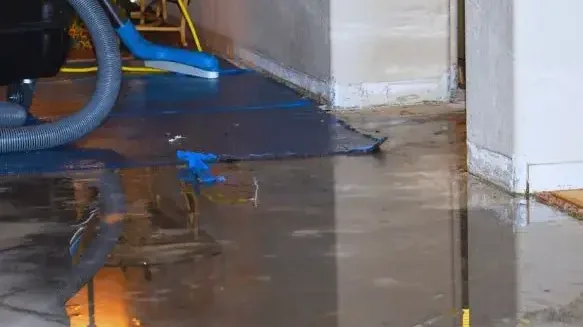
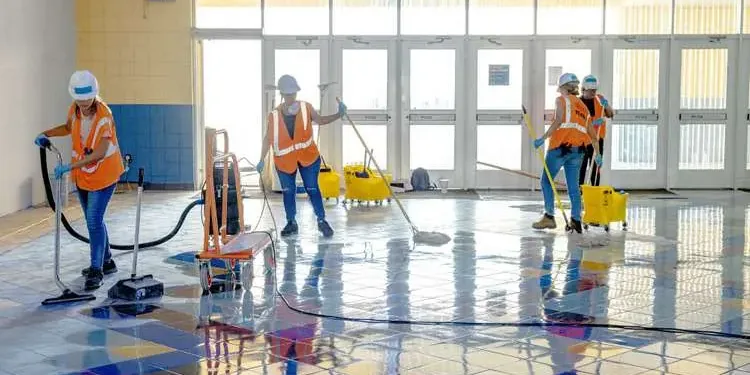
Drying equipment and cleanup work in action
Service area from Pioneer Boulevard to Clarkdale Avenue
Streets and corridors
ZIP code
Nearby cities
Reach the crew for water damage near Pioneer Boulevard
The crew covers ZIP 90701 and the surrounding blocks, from older residential streets to the commercial corridors.
Describe the source, the rooms affected and whether sewage is involved so the right equipment is loaded.
Artesia, CA · [email protected]
What causes water damage in local homes
The City of Artesia was incorporated on May 29, 1959, and most of its housing was built between 1950 and 1970. Golden State Water Company supplies most residents, and Los Angeles County Public Works maintains the sewer pipes under an agreement.

January 18, 1952. Large floods hit the area in early 1952, and water covered Pioneer Boulevard near Willis Street School. That is one dated record from decades ago, not a forecast, and today the practical concern is heavy rain testing roofs and drains.
- Older housing: Aging supply pipes, water heaters and ceiling cavities are common sources of hidden moisture in homes over 50 years old.
- Renters and owners: In 2010 about 44.4% of occupied homes were rented, so one leak can involve a tenant, a landlord and two sets of paperwork.
- Heavy rain: Multi-day atmospheric rivers, such as the record rainfall across parts of Los Angeles in February 2024, test roofs and ceilings.
- Busy households: With an average of 3.43 people per household, washers, dishwashers and showers run constantly, and small leaks go unnoticed.
- Sewer pipes: Los Angeles County Public Works maintains the sewer pipes, but cleanup inside the home is a separate job for the restoration crew.
Water damage questions answered
How quickly does standing water need to come out?
As fast as possible. Wet drywall, pad and framing can start growing mold within 24 to 48 hours, so extraction and airflow matter more than almost any other step.
What does water damage restoration cost here?
Most jobs run from $1,200 to $25,000 or more. A small clean leak sits near the bottom, while sewage or several wet rooms push the total toward the top of that range.
Do older homes dry differently?
They can. Homes built between 1950 and 1970 often have layered flooring, older wall cavities and ceilings that hold water, so drying focuses on opening those spaces to airflow and checking them with meters.
Who handles a sewage backup in my home?
Los Angeles County Public Works maintains the sewer pipes under an agreement with the city. The affected rooms are a separate cleanup job: containment, removal of porous materials and sanitizing.
Is Artesia in a flood zone?
The city's 2010 General Plan report maps it in FEMA Zone X, a non-special flood hazard area, and the city takes part in the National Flood Insurance Program. Pipes, roofs and drains can still cause water damage.
Does the crew work on stores and offices on Pioneer Boulevard?
Yes. Commercial water damage jobs use phased drying and after-hours crews, so a suite can reopen while the rest of the building is still being dried.
Can I stay in the house during drying?
Usually in a clean-water loss, though air movers are loud and warm. Sewage or a large area changes that, and the crew explains which rooms to avoid.
What should I photograph for the insurance claim?
Wet floors, stained ceilings, the failed pipe or appliance and any damaged belongings, taken before cleanup begins. The crew adds moisture maps and readings afterward.
How long does drying take?
Usually several days, depending on materials. Carpet dries quickly, while hardwood, concrete and wall cavities take longer, and readings decide when the equipment leaves.
Is a leaking water heater a plumber job or a restoration job?
Both. A plumber repairs or replaces the tank, and plumbing permits go through the City of Artesia Building & Safety Division, while the restoration crew extracts and dries.
Water in the house? Start the dry-out
Stop the source if it is safe, then talk to the drying crew about what is wet. The sooner extraction starts, the less material has to be removed.
(888) 563-9619Get the crew moving on your leak