Structural Drying and Dehumidification in Artesia, CA
Once the standing water is out, the structure still holds moisture. The drying team sets air movers, LGR dehumidifiers and where needed desiccant units, then logs daily readings in Artesia homes until walls, floors and cavities reach the dry standard.
(888) 563-9619Plan the drying with the crew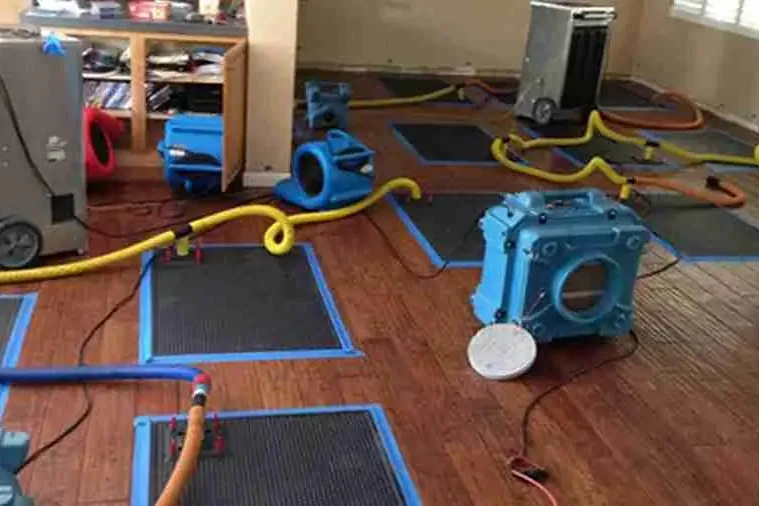
First steps for structural drying and dehumidification
Keep doors closed
Hold the drying area shut so the equipment works on a smaller space.
Leave equipment running
Air movers and dehumidifiers are loud, but switching them off lets moisture return.
Keep the area clear
Remove belongings and avoid walking on wet floors or carpet.
Expect daily visits
Technicians return to log readings and adjust the equipment.
Drying is measured, not guessed. The crew compares moisture readings in the affected materials with a dry standard taken from unaffected parts of the home, and the equipment stays until the two match.
What does structural drying and dehumidification cost in Artesia, CA?
Structural drying runs $1,500 to $3,000 for one Class 1 or 2 area, $3,000 to $6,000 for Class 3, and $6,000 to $9,000 for Class 4 drying.
| Job size | Typical range | What it covers |
|---|---|---|
| Class 1 or 2, a single area | $1,500 to $3,000 |
|
| Class 3, several rooms | $3,000 to $6,000 |
|
| Class 4: concrete or hardwood | $6,000 to $9,000 |
|
These are typical ranges, never a quote. Four things move the total most: the water category, the wet square footage, the material class and how soon drying began. The water damage cost calculator narrows it for your own loss.
How structural drying and dehumidification is handled, stage by stage
Moisture gets mapped with meters and a thermal camera before a single fan is set, so the plan follows the readings and not the stains. The drying team pulls equipment only when materials test dry.
- I
Assess
Meters and a thermal camera classify the loss and set the dry standard.
- II
Set
Air movers, LGR units and mats are placed by room size and material.
- III
Monitor
Daily readings track temperature, humidity and moisture content.
- IV
Release
Equipment comes out only when every reading matches dry targets.
Four classes of water loss
Class 1 and 2 losses involve little absorption or only carpet and wall bottoms, Class 3 reaches ceilings and walls, and Class 4 covers dense materials such as hardwood and concrete that hold water deeply. Hardwood, subfloors and concrete are drying problems that take days, not hours, so equipment choice matters from the first visit.
- Class 1 or 2 uses air movers and an LGR dehumidifier
- Class 3 adds equipment and cavity drying
- Class 4 adds desiccant units and drying mats
Older construction dries differently
Most homes here were built between 1950 and 1970, so drying focuses on walls, subfloors and cavities in older construction. Layered flooring and closed cavities slow evaporation, and the crew opens them to airflow where readings call for it.
Daily readings, not a calendar
Each visit records temperature, humidity and moisture content. Equipment is moved or removed as materials reach target, and the daily log becomes the record for the claim. Equipment counts and placement are recorded each visit so the file shows what was running.
Structural drying and dehumidification across Artesia and nearby cities
Structural drying covers ZIP 90701, from the older residential blocks near Clarkdale Avenue and Arkansas Street to the commercial buildings along Pioneer Boulevard and Little India, with equipment sized to the rooms and materials involved.
The same service nearby: structural drying and dehumidification in Cypress, Cerritos, Hawaiian Gardens.
Related water damage services
Structural Drying and Dehumidification questions, answered
How long does structural drying take?
Usually several days, depending on the materials and the class of loss, once water extraction is complete. Carpet dries faster than hardwood or concrete, and daily readings decide when the equipment can leave.
Why do dehumidifiers matter as much as fans?
Air movers lift moisture off surfaces, and dehumidifiers pull it out of the air. Without both, the water simply moves around the room and settles back into materials.
What is an LGR dehumidifier?
A low grain refrigerant unit that removes more moisture from warm, humid air than a standard model, which makes it the workhorse for most residential drying.
Are readings really logged every day?
Yes. Temperature, humidity and moisture content are recorded at each visit, and the log shows an adjuster exactly when each material reached its dry target.
Can drying start before the leak is repaired?
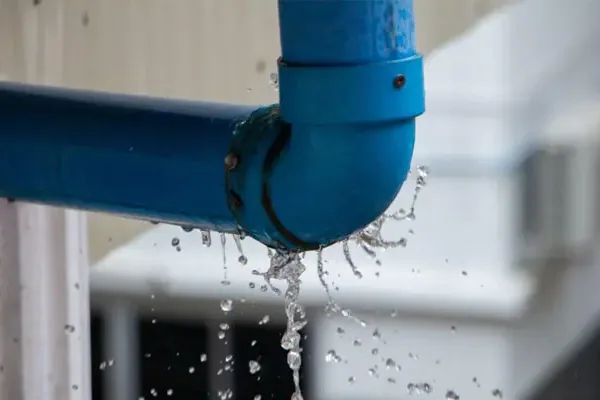
Standing water is extracted right away, but a plumber or roofer should stop the source so the structure does not get wet again. See burst pipe water damage for an example.
Finish the dry-out properly
Tell the crew what was wet and how long it sat, and the equipment list and monitoring plan are set to match the loss.
(888) 563-9619Plan the drying in Artesia