Slab Leak Water Damage in Artesia, CA
When a pipe leaks beneath the floor, water spreads quietly through flooring, baseboards and wall bottoms. The restoration crew maps the moisture, opens what has to open and dries the floor system in Artesia homes until readings are dry.
(888) 563-9619Describe the leak to the crew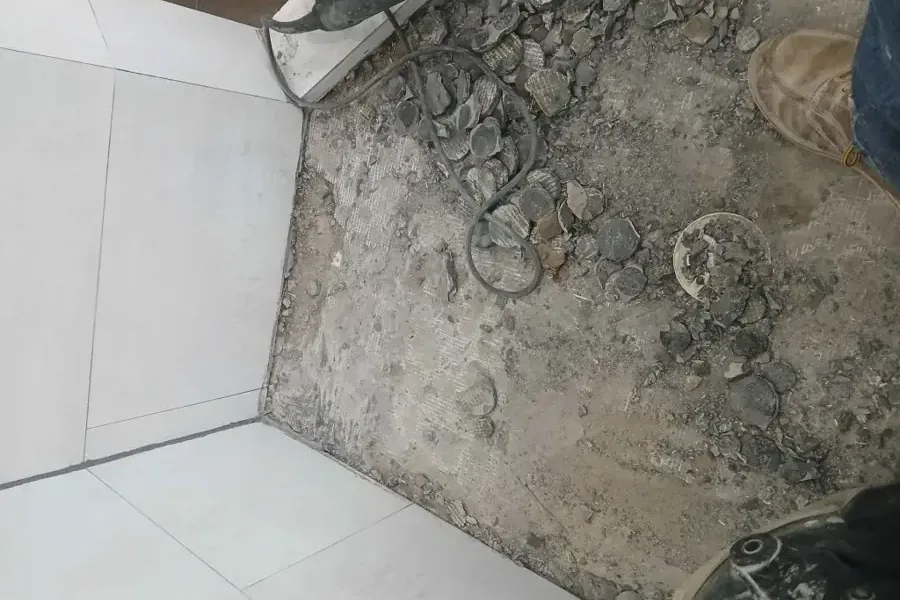
First steps for slab leak water damage
Check the meter
Turn off every fixture and watch whether the water meter keeps moving.
Find the shutoff
Close the main valve if a leak is confirmed or strongly suspected.
Protect the floor
Move rugs and furniture off damp flooring and keep foot traffic to a minimum.
Call a plumber
The pipe has to be located and repaired before the drying can finish.
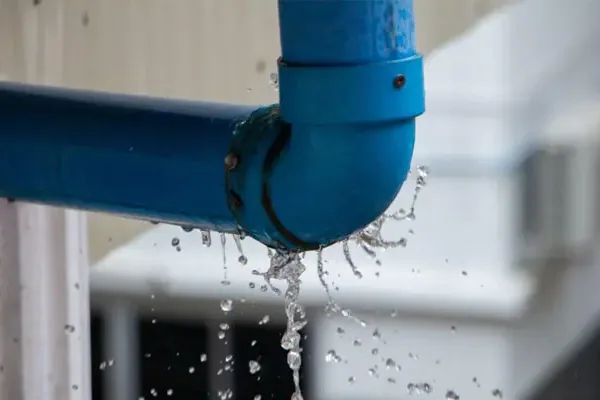
A leak under the floor rarely announces itself with a puddle. More often a warm spot, a water meter that keeps moving or flooring that slowly cups points to a supply pipe leaking out of sight.
What does slab leak water damage cost in Artesia, CA?
Slab leak jobs run from $2,000 to $4,000 for one room caught early, $4,000 to $8,000 across several rooms or a hallway, and up to $12,000 when a long leak reaches hardwood or cabinets. The pipe repair itself is a separate plumbing cost.
| Job size | Typical range | What it covers |
|---|---|---|
| One room, found early | $2,000 to $4,000 |
|
| Several rooms or a hallway | $4,000 to $8,000 |
|
| Long leak under hardwood or cabinets | $8,000 to $12,000 |
|
These are typical ranges, never a quote. Four things move the total most: the water category, the wet square footage, the material class and how soon drying began. The water damage cost calculator narrows it for your own loss.
How slab leak water damage is handled, stage by stage
Moisture gets mapped with meters and a thermal camera before a single fan is set, so the plan follows the readings and not the stains. The drying team pulls equipment only when materials test dry.
- I
Map
Meters and a thermal camera locate the wet area before anything is cut open.
- II
Open
Flooring and baseboards are lifted only where readings show moisture.
- III
Dry
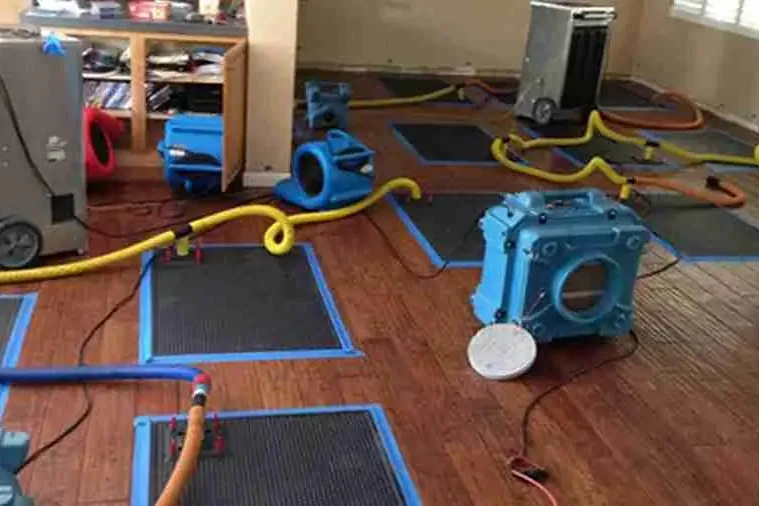
LGR units and mats pull water out of the floor system, wall bottoms and subfloor.
- IV
Verify
Daily logs continue until every reading meets the dry standard.
Signs worth acting on
Most homes here were built between 1950 and 1970, so their pipes have been in service for decades. Catching a slow leak early turns the repair from a few lifted boards into something much smaller than a full tear-out.
- A warm or hot patch on the floor with no heater nearby
- A water meter that moves while every fixture is off
- Damp, cupped or buckled flooring and lifting baseboards
- A musty smell or an unexplained jump in the water bill
How the drying is handled
A plumber finds and fixes the pipe. The drying crew maps the moisture, removes wet flooring and baseboards, and sets LGR dehumidifiers and drying mats over the affected floor. Wall bottoms are opened where readings show water has wicked upward. Everything removed is photographed so the claim file shows what was wet and why.
Why mapping comes first
Construction differs from house to house, so meters and a thermal camera show where the water went before anything is cut. That keeps each opening small and the claim record clear.
- Readings taken before and after each opening
- Photos of the flooring removed and the pipe area
- Daily logs until the floor meets the dry standard
Slab leak water damage across Artesia and nearby cities
Slab leak work covers ZIP 90701, including homes off Clarkdale Avenue and Arkansas Street and the older blocks near Pioneer Boulevard, with each floor mapped by meter before any flooring is lifted or cut.
The same service nearby: slab leak water damage in Cypress, Cerritos, Hawaiian Gardens.
Related water damage services
Slab Leak Water Damage questions, answered
How do I know a leak is under the floor?
Warm spots, a moving water meter with fixtures off, damp flooring or a musty smell all point there. A plumber confirms the leak, and the drying crew handles the water. The slab leak warning check helps sort the signs.
Does every slab leak need flooring removed?
No. Small, early leaks may need only a section lifted, while a long leak under hardwood or cabinets needs wider removal. Moisture readings decide the scope.
How long does drying take after a leak under the floor?
Usually several days. Dense materials such as concrete and hardwood release moisture slowly, so structural drying continues until daily readings reach the dry standard.
Is the pipe repair part of the restoration?
No. A plumber repairs the pipe. The restoration crew removes the water damage and dries the floor, and the two jobs are coordinated so the repair is not delayed.
Will insurance cover a leak beneath the floor?
Coverage depends on the cause of the leak and your own policy, so ask your insurer. The restoration crew supplies readings, photos and logs that document the loss.
Can mold start if a leak goes unnoticed?
Yes. Materials that stay damp can support growth within 24 to 48 hours, which is why a slow leak should be checked and dried promptly.
Dry the floor before it spreads
A short description of the warm spot, the meter and the damp flooring helps the crew bring the right extraction and drying equipment.
(888) 563-9619Share the leak signs