Structural Drying and Dehumidification in Cypress, CA
Surfaces dry in a day; slabs, framing and hardwood do not. The drying team sizes air movers and dehumidifiers to the class of loss and keeps them running until every wet material reads within 2 to 4 points of a dry reference.
(888) 563-9619Need it dried right? Call now.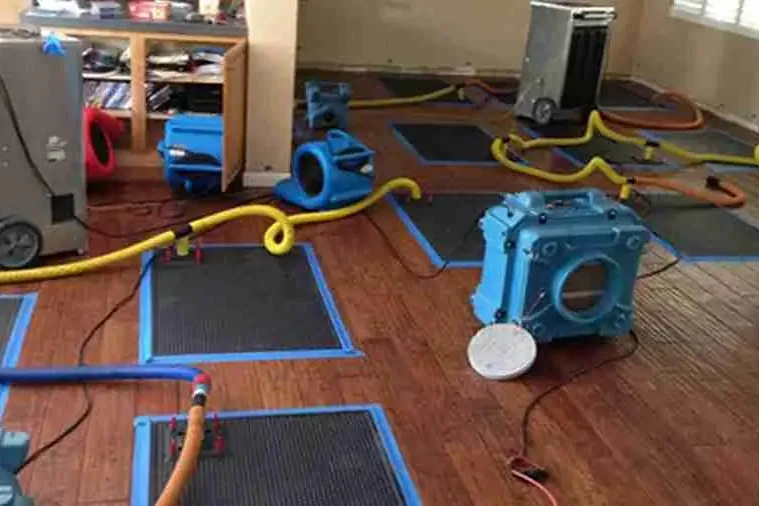
First steps for structural drying and dehumidification
Keep the equipment running
Turning it off at night slows the drying.
Keep doors and windows as set
The drying team sets the airflow on purpose.
Leave the readings to the tech
Feeling dry is not the same as reading dry.
Keep the thermostat steady
Big temperature swings change the drying rate.
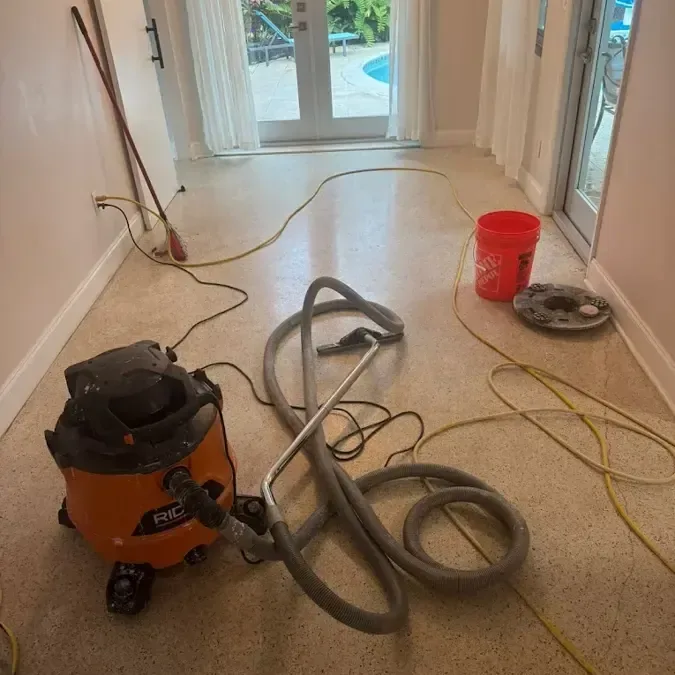
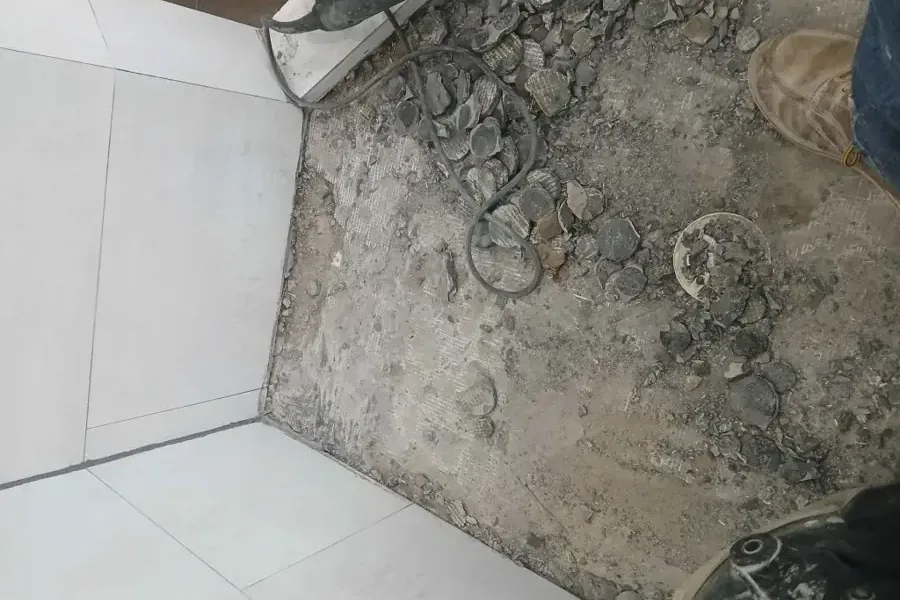
Structural drying is what happens after the water is out. In a slab home it means drying the concrete under the flooring, the bottom plates and drywall that wicked water up, and any hardwood or cabinets the water reached.
What does structural drying and dehumidification cost in Cypress, CA?
Structural drying here typically runs $1,500 to $9,000, depending on the class of loss, the number of rooms, the equipment needed and how many days it runs.
| Job size | Typical range | What it covers |
|---|---|---|
| Class 1 or 2, one area | $1,500 to $3,000 |
|
| Class 3, several rooms | $3,000 to $6,000 |
|
| Class 4: slab or hardwood | $6,000 to $9,000 |
|
These are typical ranges, never a quote. Four things move the total most: the water category, the wet square footage, the material class and how soon drying began. The water damage cost calculator narrows it for your own loss.
How structural drying and dehumidification is handled, stage by stage
Moisture gets mapped with meters and a thermal camera before a single fan is set, so the plan follows the readings and not the stains. The drying team pulls equipment only when materials test dry.
- I
Measure
Wet materials and a dry reference read and logged.
- II
Set
Air movers and dehumidifiers placed to the class of loss.
- III
Adjust
Equipment moved as areas dry, with readings every visit.
- IV
Verify
Equipment comes out only when materials match the reference.
How the equipment is set
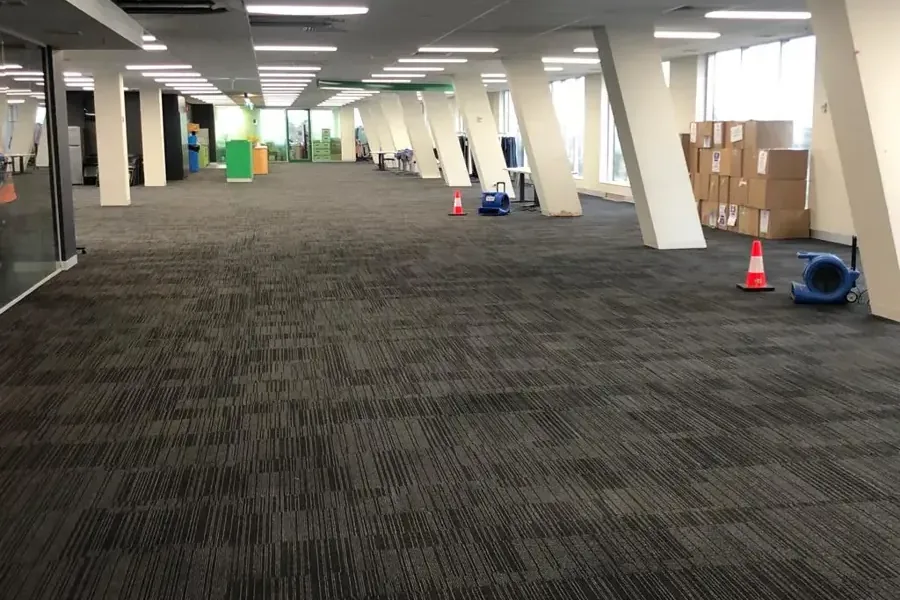
- Class 1 to 4 sets how many air movers and dehumidifiers each room needs.
- Air movers are placed to the room's evaporation load, not by habit.
- LGR dehumidifiers handle most losses, and desiccant units dry dense materials and slabs.
- Drying mats pull water up out of hardwood and concrete.
- Wall cavities get injected air through small holes when the drywall can stay.
How dry is measured
The tech takes readings of the wet materials and of a dry reference material in an unaffected part of the house. Psychrometric logs track temperature, humidity and grains per pound on every visit. Equipment stays until wet materials read within 2 to 4 points of the reference, and those logs go into the claim file.
Local conditions that change the plan
Dry Santa Ana air speeds evaporation, while muggy late-summer days slow it, so dehumidifier capacity is set to the weather as well as the room. Concrete slabs are the slow part of most local jobs. The drying time estimator gives a typical window.
The EPA indoor air quality pages explain why damp materials need prompt drying, and the USGS Water Science School explains humidity and evaporation.
Structural drying and dehumidification across Cypress and north Orange County
The local restoration crew covers ZIP 90630, from the tracts along Lincoln Avenue and Ball Road to the Oak Knoll Park area, the college district off Valley View Street and the offices along Katella Avenue and Valley View Street.
Nearby coverage reaches La Palma, Los Alamitos, Buena Park, Stanton, Hawaiian Gardens, Cerritos, Artesia, Lakewood, Rossmoor, Garden Grove, Seal Beach, Westminster.
Related water damage services
Structural Drying and Dehumidification questions, answered
What is a dry reference?
A reading taken from the same kind of material in an unaffected part of the house. Wet materials are dry when they read within 2 to 4 points of it.
Why run equipment when the floor feels dry?
Surfaces dry first. Slabs, framing and drywall hold water inside long after the surface feels dry.
What is the difference between LGR and desiccant dehumidifiers?
LGR units cool the air to condense water and handle most jobs. Desiccant units use a drying wheel and work better on dense materials like concrete and hardwood.
Can hardwood floors be saved?
Often, with drying mats and enough time, if drying starts quickly. Cupped boards can flatten as they dry, and readings decide what stays.
How long does structural drying take?
Most losses dry in three to seven days, while slabs and hardwood can take longer.
Why is the house so warm during drying?
Warm air holds more water and speeds evaporation, so the drying team keeps temperatures in a working range.
Still damp after the water is gone?
Water hiding in slabs, framing and drywall keeps the damage growing. The drying team dries it to the IICRC S500 goal.
(888) 563-9619Call for structural drying