Water Extraction and Removal in Lakewood, CA
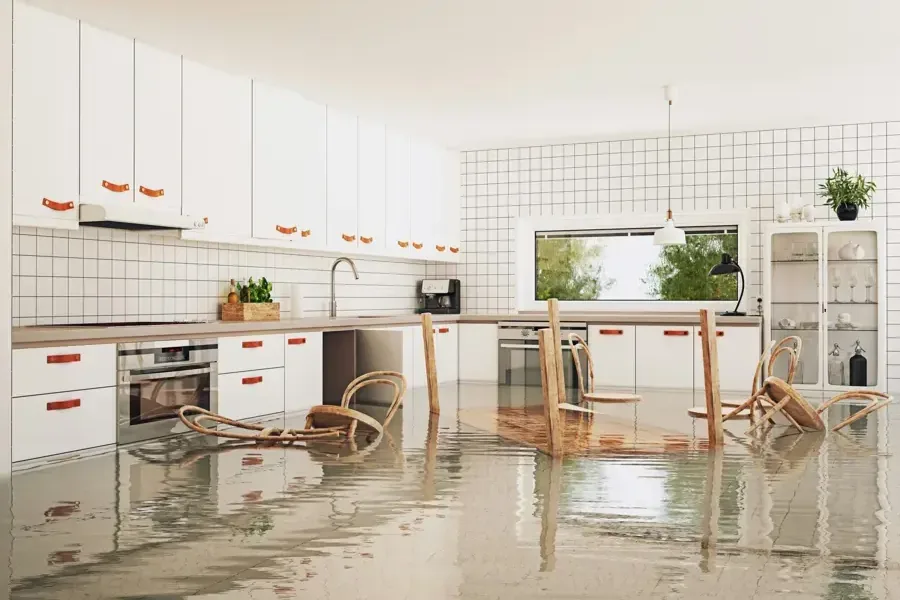
On flat ground, heavy rain or a failed supply pipe lets water spread across a whole floor. The extraction crew pulls it out with truck-mounted and portable pumps, then moves straight into drying the layers underneath.
(888) 563-9619Pump out the standing water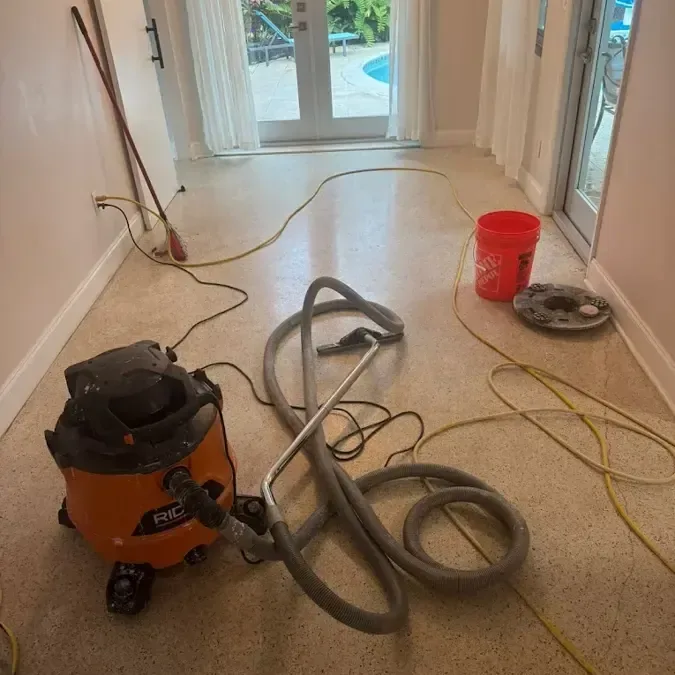
First steps for water extraction and removal
Stop new water
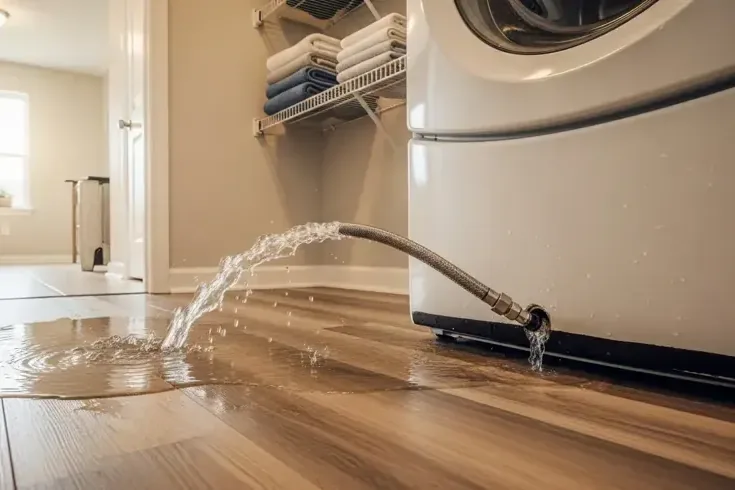
Close the valve or switch off the appliance feeding the leak.
Protect the power
Turn off circuits near wet floors and stay out of deep water.
Lift small items
Move rugs, boxes and electronics onto dry surfaces or shelves.
Document the loss
Photograph the water level and the damage before pumps start.
Pulling the water out comes first because every gallon removed by pump is moisture the dehumidifiers never have to handle. On flat ground, spilled water travels far, so the extraction crew works outward from the lowest point of the floor.
What does water extraction and removal cost in Lakewood, CA?
Extraction typically runs $500 to $1,500 for one clean-water room, $1,500 to $3,000 across several carpeted rooms, and $3,000 to $4,500 with gray water or lifted planks.
| Job size | Typical range | What it covers |
|---|---|---|
| One room, clean water | $500 to $1,500 |
|
| Several carpeted rooms | $1,500 to $3,000 |
|
| Gray water or lifted planks | $3,000 to $4,500 |
|
These are typical ranges, never a quote. Four things move the total most: the water category, the wet square footage, the material class and how soon drying began. The water damage cost calculator narrows it for your own loss.
How water extraction and removal is handled, stage by stage
Moisture gets mapped with meters and a thermal camera before a single fan is set, so the plan follows the readings and not the stains. The drying team pulls equipment only when materials test dry.
- I
Survey
Water depth, the source and flooring type are checked, and moisture is mapped.
- II
Pump
Submersible pumps clear deep water before wands and vacuums work the surface.
- III
Press
Carpet and pad are pressed and vacuumed, and hard floors worked along every seam.
- IV
Hand off
Readings show what is still wet, and drying equipment takes over.
How the crew clears a wet floor
Deep water goes first with submersible pumps. Truck-mounted wands and wet vacuums then work the carpet, pad and thresholds, while furniture is blocked up so wet legs do not stain.
- Standing water pumped out through hoses to a suitable drain
- Carpet and pad pressed and vacuumed until water stops coming up
- Hard floors squeegeed and vacuumed along edges and seams
- First moisture readings taken to show where water traveled
Those first readings decide whether drying can save the materials or whether some must come out.
What can be saved and what cannot
Clean supply water often lets carpet and pad be saved when extraction starts early. Gray water, such as a washer overflow, usually means the pad is discarded, and sewage or storm water means porous materials are removed. Laminate and engineered wood are lifted early because water settles under planks where it cannot be seen.
Water that came in with a storm counts as contaminated, which changes what can be saved; the storm and flash flood cleanup service covers that work.
From pumping to drying
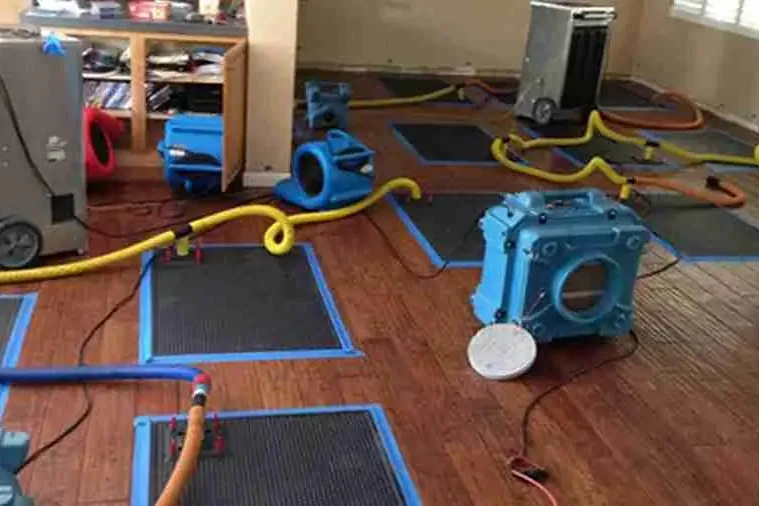
Extraction removes bulk water only. Moisture stays in framing, subfloor and drywall, so air movers and dehumidifiers go in right after the last pass, with structural drying and dehumidification continuing until each material tests dry.
- Air movers aimed at wet surfaces
- LGR dehumidifiers sized to the room
- Readings logged until the dry standard is met
Water extraction and removal across Lakewood and nearby cities
The extraction crew works across ZIP 90712, 90713 and 90715, from the Del Amo Boulevard and Bellflower Boulevard areas to Mayfair, Carson Park and the streets around Del Valle Park. Homes, apartment buildings and small businesses are all covered.
The same service nearby: water extraction and removal in Cypress, Artesia, Hawaiian Gardens.
Water Extraction and Removal questions, answered
How soon should water be pumped out?
As early as possible, since drywall, pad and wood absorb moisture steadily and mold can begin within 24 to 48 hours.
Can carpet be saved after a flood?
Often yes when the water was clean and extraction began early. Gray or black water usually means the pad, and sometimes the carpet, goes.
Is a shop vacuum enough?
A household vacuum handles a spill, not a soaked floor. Truck-mounted units pull far more water and reach into the pad.
Is drying equipment needed after extraction?
Yes, because pumping removes bulk water but not the moisture held inside framing, subfloor and drywall.
What about water in a garage?
Garages sit at ground level and collect runoff first, so the water is pumped, stored items are moved and the concrete floor and wall bottoms are checked.
Is extraction priced separately?
Extraction often falls between $500 and $1,500 for one clean-water room, and drying is added when walls or floors stay wet.
Get the water out before it reaches the walls
The extraction crew is available at any hour to begin pumping and set up the drying that follows. Standing water pushes moisture deeper into drywall and flooring.
(888) 563-9619Begin water removal